
How To Build Muscle On A Vegetarian Diet Without Compromising Strength, Recovery Or Daily Nutrition

Building muscle is often associated with eating large amounts of meat, but that belief is changing rapidly. A well-planned vegetarian diet can provide all the essential nutrients needed for muscle growth, strength and recovery. The key lies in consuming sufficient protein, maintaining a balanced intake of carbohydrates and healthy fats, and following a structured resistance training programme.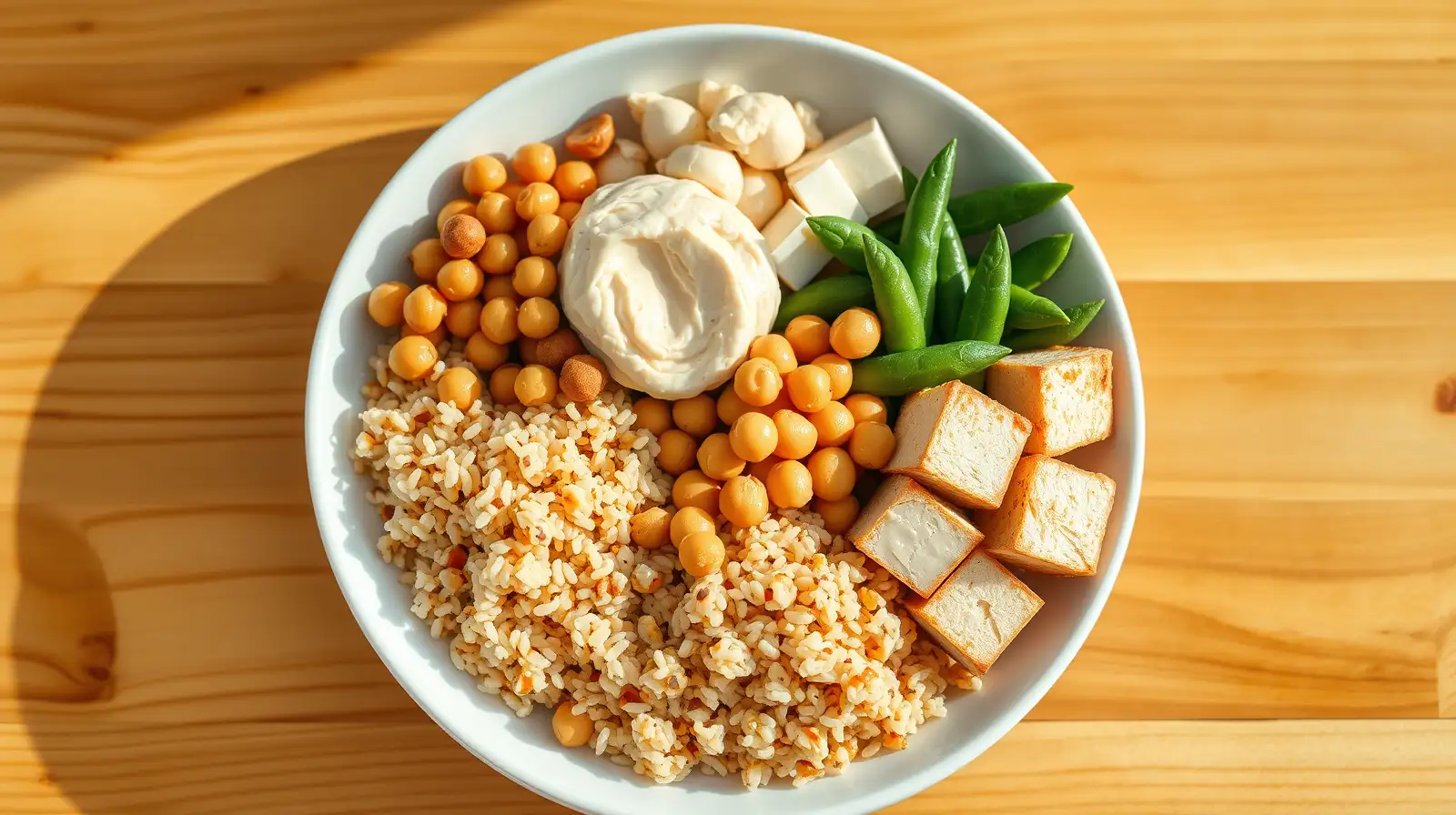
Whether you are new to fitness or aiming to increase lean muscle mass, a vegetarian lifestyle does not have to limit your progress. With thoughtful meal planning and consistent exercise, it is possible to achieve impressive results while enjoying a varied and nutritious diet.
Excellent options include lentils, chickpeas, kidney beans, soy products such as tofu and tempeh, paneer, milk, yoghurt, cheese, eggs for ovo-vegetarians, quinoa and a variety of nuts and seeds. Combining different plant-based protein sources throughout the day also helps provide a broader range of essential amino acids.
Complex carbohydrates such as oats, brown rice, whole wheat bread, sweet potatoes and fruits provide the energy required for demanding workouts. Healthy fats from almonds, walnuts, peanuts, flaxseeds and olive oil contribute to hormone production and overall health, making them an important part of a muscle gain diet .
Focus on compound exercises such as squats, deadlifts, bench presses, rows and overhead presses. Gradually increasing the weight, repetitions or training volume ensures continued progress while allowing muscles to develop efficiently.
Staying hydrated and consuming a balanced meal containing protein and carbohydrates after exercise can further support muscle repair and replenish energy stores.
If progress slows, review your calorie intake, protein consumption and training intensity before making adjustments. Small improvements maintained over time often produce the most sustainable results.
A vegetarian diet can effectively support muscle building when paired with smart food choices, regular strength training and proper recovery. By focusing on nutrient-dense meals, meeting daily protein requirements and remaining consistent with your fitness routine, you can build strength, increase lean muscle mass and enjoy long-term health benefits without including meat in your diet.
Whether you are new to fitness or aiming to increase lean muscle mass, a vegetarian lifestyle does not have to limit your progress. With thoughtful meal planning and consistent exercise, it is possible to achieve impressive results while enjoying a varied and nutritious diet.
Prioritise High-Quality Protein Sources
Protein plays a central role in repairing and building muscle tissue after exercise. Vegetarians have access to numerous protein-rich foods that can easily meet daily requirements when consumed in appropriate quantities.Excellent options include lentils, chickpeas, kidney beans, soy products such as tofu and tempeh, paneer, milk, yoghurt, cheese, eggs for ovo-vegetarians, quinoa and a variety of nuts and seeds. Combining different plant-based protein sources throughout the day also helps provide a broader range of essential amino acids.
Eat Enough Calories To Support Muscle Growth
Muscle gain requires more than just protein. Your body also needs a slight calorie surplus to create an environment that supports new muscle tissue.You may also like
- If someone lost interest after you liked them back, psychology says the reason may have more to do with them than you
- World's oldest scientifically dated banyan tree is in Bihar: How travellers can visit this remarkable 700-year-old living landmark
- DA: Good news for government employees; Dearness Allowance may increase by 3% starting July..
- Housing, marriage, education, and medical treatment—you can now easily withdraw PF money for these five purposes..
- It's not just about salary—these 9 conditions also make filing an ITR mandatory! Are you making a mistake?
Complex carbohydrates such as oats, brown rice, whole wheat bread, sweet potatoes and fruits provide the energy required for demanding workouts. Healthy fats from almonds, walnuts, peanuts, flaxseeds and olive oil contribute to hormone production and overall health, making them an important part of a muscle gain diet .
Strength Training Is Just As Important
Nutrition alone cannot stimulate muscle growth. Progressive resistance training encourages muscles to adapt by becoming stronger and larger over time.Focus on compound exercises such as squats, deadlifts, bench presses, rows and overhead presses. Gradually increasing the weight, repetitions or training volume ensures continued progress while allowing muscles to develop efficiently.
Recovery Supports Better Results
Muscles grow during recovery rather than while exercising. Aim for seven to nine hours of quality sleep each night and allow sufficient rest between intense training sessions for the same muscle groups.Staying hydrated and consuming a balanced meal containing protein and carbohydrates after exercise can further support muscle repair and replenish energy stores.
Stay Consistent And Monitor Progress
Building muscle is a gradual process that requires patience and consistency. Track your workouts, body measurements and dietary intake to understand what works best for your body.If progress slows, review your calorie intake, protein consumption and training intensity before making adjustments. Small improvements maintained over time often produce the most sustainable results.
A vegetarian diet can effectively support muscle building when paired with smart food choices, regular strength training and proper recovery. By focusing on nutrient-dense meals, meeting daily protein requirements and remaining consistent with your fitness routine, you can build strength, increase lean muscle mass and enjoy long-term health benefits without including meat in your diet.






Loving Newspoint? Download the app now
