
How To Capture Stunning Bird Photographs Using Only Natural Light

Bird photography offers a unique opportunity to capture the beauty, behaviour and personality of wildlife in its most authentic form. While specialised equipment can help, one of the most important factors in creating stunning bird images is learning how to work with natural light. Light influences everything from colour and texture to sharpness and mood, making it a critical element of successful photography.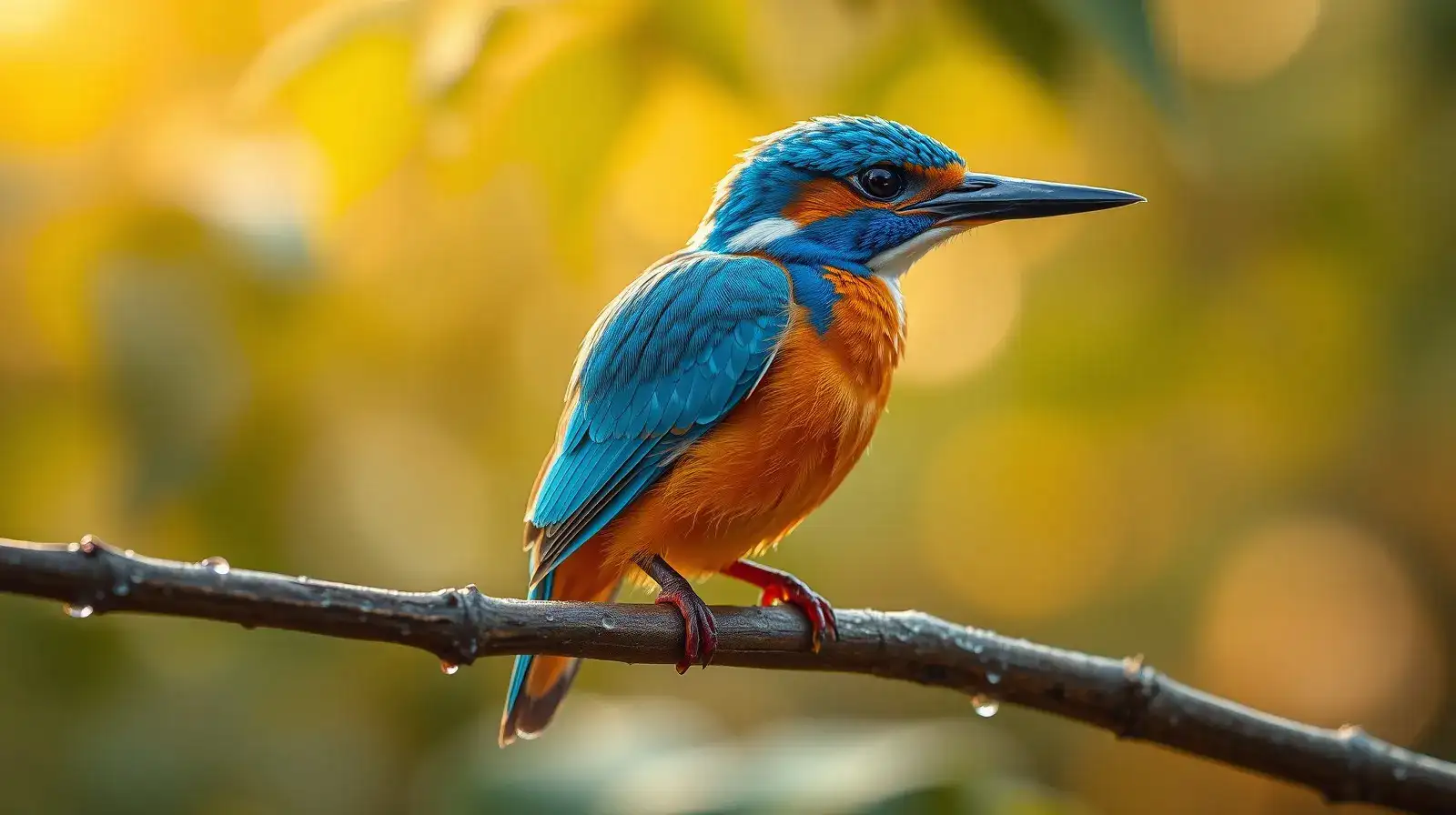
Natural light is constantly changing throughout the day and across seasons. Understanding how to use these changes to your advantage can help you create photographs that look vibrant, detailed and professional. Whether you are photographing garden birds, waterfowl or birds in the wild, mastering natural light photography can significantly elevate your results.
Good lighting can highlight textures, reveal subtle plumage patterns and create pleasing contrast. Poor lighting, on the other hand, may result in dull colours, unwanted shadows or a lack of detail. Learning to recognise quality light is one of the most valuable bird photography techniques any photographer can develop.
During these times, the sun sits lower in the sky, producing softer and warmer light. This gentle illumination enhances colours and reduces harsh shadows. Morning sessions can be particularly rewarding because birds are often more active as they search for food and interact with their surroundings.
Midday sunlight can be challenging. Strong overhead light creates deep shadows beneath wings and around the eyes, often making images appear flat or overly contrasted. If shooting during midday is unavoidable, look for birds in open shade or areas where light is diffused.
Front lighting illuminates the subject evenly, revealing feather detail and natural colour. This is often the easiest lighting setup for beginners.
Side lighting can create depth and texture by emphasising feather patterns and body shape. It works particularly well when photographing larger birds or those with distinctive plumage.
Backlighting, where the sun is behind the bird, can produce dramatic effects. Feathers may glow with a soft rim of light, creating artistic and memorable images. However, this technique requires careful exposure control to avoid underexposing the bird.
A fast shutter speed helps freeze motion and maintain sharpness. For active birds, speeds of 1/1000 second or faster are often beneficial. Increasing ISO may be necessary in lower light conditions, but modern cameras can handle moderate ISO settings effectively.
Using exposure compensation can also help. Bright birds against dark backgrounds may appear overexposed, while dark birds against bright skies can lose detail. Reviewing images regularly and making small adjustments ensures more consistent results.
Natural light can help create smooth, pleasing backgrounds when used correctly. Position yourself so that the background is distant from the bird. This allows the background to blur softly, making the subject stand out.
Avoid cluttered scenes that distract attention from the bird. A clean background often enhances the simplicity and elegance of wildlife photography.
Overcast skies act as a giant natural diffuser, producing soft and even light. This reduces harsh shadows and allows colours to appear rich and balanced.
Light mist, gentle rain or cloudy conditions can add atmosphere and mood to photographs. Such weather often creates images that feel more natural and emotionally engaging.
After rainfall, birds may display interesting behaviours such as preening or bathing, providing excellent photographic opportunities.
Natural light often creates attractive catchlights in the eyes, adding life and sparkle to the image. Ensure focus is locked on the eye whenever possible.
If the eyes appear dark due to shadows, adjusting your position slightly can often improve the lighting without disturbing the bird.
Spend time watching how birds interact with their environment. Notice favourite perches, feeding locations and flight patterns. This knowledge allows you to prepare your camera settings and composition before the action occurs.
Patience often rewards photographers with natural behaviours that create more compelling images than posed or predictable shots.
Silhouettes at sunrise or sunset can produce striking compositions. Golden-hour light can add warmth and atmosphere, while reflections on water may introduce additional visual interest.
Natural light changes constantly, offering endless opportunities to explore different moods and styles. The more you experiment, the more confident and versatile you will become.
Photographing birds in natural light is both challenging and rewarding. By understanding light direction, choosing the right time of day, mastering exposure and developing patience, photographers can capture images that showcase the beauty of birds in their natural environment. With regular practice and careful observation, even simple equipment can produce remarkable results, making natural light one of the most powerful tools in any bird photography guide .
Natural light is constantly changing throughout the day and across seasons. Understanding how to use these changes to your advantage can help you create photographs that look vibrant, detailed and professional. Whether you are photographing garden birds, waterfowl or birds in the wild, mastering natural light photography can significantly elevate your results.
Why Natural Light Matters In Bird Photography
Natural light brings out the true colours and intricate details of a bird's feathers. Unlike artificial lighting, it creates a realistic appearance and preserves the natural atmosphere of the environment.Good lighting can highlight textures, reveal subtle plumage patterns and create pleasing contrast. Poor lighting, on the other hand, may result in dull colours, unwanted shadows or a lack of detail. Learning to recognise quality light is one of the most valuable bird photography techniques any photographer can develop.
Choose The Best Time Of Day
The quality of sunlight changes dramatically throughout the day. Early morning and late afternoon are often considered the most favourable periods for photographing birds outdoors .During these times, the sun sits lower in the sky, producing softer and warmer light. This gentle illumination enhances colours and reduces harsh shadows. Morning sessions can be particularly rewarding because birds are often more active as they search for food and interact with their surroundings.
Midday sunlight can be challenging. Strong overhead light creates deep shadows beneath wings and around the eyes, often making images appear flat or overly contrasted. If shooting during midday is unavoidable, look for birds in open shade or areas where light is diffused.
Position Yourself Carefully
The direction of light plays a major role in the final image. Whenever possible, position yourself so the sunlight falls directly onto the bird.Front lighting illuminates the subject evenly, revealing feather detail and natural colour. This is often the easiest lighting setup for beginners.
Side lighting can create depth and texture by emphasising feather patterns and body shape. It works particularly well when photographing larger birds or those with distinctive plumage.
Backlighting, where the sun is behind the bird, can produce dramatic effects. Feathers may glow with a soft rim of light, creating artistic and memorable images. However, this technique requires careful exposure control to avoid underexposing the bird.
Understand Exposure Settings
Proper exposure is essential in bird photography because birds often move quickly and lighting conditions can change rapidly.A fast shutter speed helps freeze motion and maintain sharpness. For active birds, speeds of 1/1000 second or faster are often beneficial. Increasing ISO may be necessary in lower light conditions, but modern cameras can handle moderate ISO settings effectively.
Using exposure compensation can also help. Bright birds against dark backgrounds may appear overexposed, while dark birds against bright skies can lose detail. Reviewing images regularly and making small adjustments ensures more consistent results.
Pay Attention To The Background
A beautiful bird photograph is not only about the subject. The background contributes significantly to the overall impact.Natural light can help create smooth, pleasing backgrounds when used correctly. Position yourself so that the background is distant from the bird. This allows the background to blur softly, making the subject stand out.
Avoid cluttered scenes that distract attention from the bird. A clean background often enhances the simplicity and elegance of wildlife photography.
Use Weather Conditions To Your Advantage
Many photographers wait exclusively for sunny days, but different weather conditions can offer unique opportunities.Overcast skies act as a giant natural diffuser, producing soft and even light. This reduces harsh shadows and allows colours to appear rich and balanced.
Light mist, gentle rain or cloudy conditions can add atmosphere and mood to photographs. Such weather often creates images that feel more natural and emotionally engaging.
After rainfall, birds may display interesting behaviours such as preening or bathing, providing excellent photographic opportunities.
Focus On The Bird's Eyes
Sharp eyes are essential in successful bird photography. Viewers naturally connect with a subject through its eyes, making them the most important focal point.Natural light often creates attractive catchlights in the eyes, adding life and sparkle to the image. Ensure focus is locked on the eye whenever possible.
If the eyes appear dark due to shadows, adjusting your position slightly can often improve the lighting without disturbing the bird.
You may also like
- If you shop online, take a look at this data: companies have fleeced customers of ₹28,000 crore through hidden charges..
- Major update on the 23rd installment of PM Kisan! Find out when the ₹2,000 will be credited to farmers' accounts..
- Need money for a wedding at home? Here is how much you can withdraw from your PF—and the applicable rules..
- EPFO: Private sector employees get government insurance worth ₹7 lakh—without spending a single penny from their own pockets!
- Essential Vastu Tips for Your Kitchen: Balancing Fire and Water Elements
Practise Patience And Observation
Bird photography is as much about observation as it is about technical skill. Understanding bird behaviour helps you anticipate movement and position yourself in the best light.Spend time watching how birds interact with their environment. Notice favourite perches, feeding locations and flight patterns. This knowledge allows you to prepare your camera settings and composition before the action occurs.
Patience often rewards photographers with natural behaviours that create more compelling images than posed or predictable shots.
Experiment With Creative Lighting
Once you become comfortable with standard lighting situations, experiment with more creative approaches.Silhouettes at sunrise or sunset can produce striking compositions. Golden-hour light can add warmth and atmosphere, while reflections on water may introduce additional visual interest.
Natural light changes constantly, offering endless opportunities to explore different moods and styles. The more you experiment, the more confident and versatile you will become.
Photographing birds in natural light is both challenging and rewarding. By understanding light direction, choosing the right time of day, mastering exposure and developing patience, photographers can capture images that showcase the beauty of birds in their natural environment. With regular practice and careful observation, even simple equipment can produce remarkable results, making natural light one of the most powerful tools in any bird photography guide .






More from our partners


Loving Newspoint? Download the app now
