
Summer Care Tips to Keep Indoor Plants Healthy and Green

Summer can be tough not just for people but also for indoor plants. Even though they stay protected inside homes, rising temperatures, dry air, strong sunlight, and watering mistakes can quickly stress them out. Signs like yellowing leaves, brown patches, and drooping stems often signal heat stress. The good news is that a few simple adjustments can keep plants thriving through the hottest months.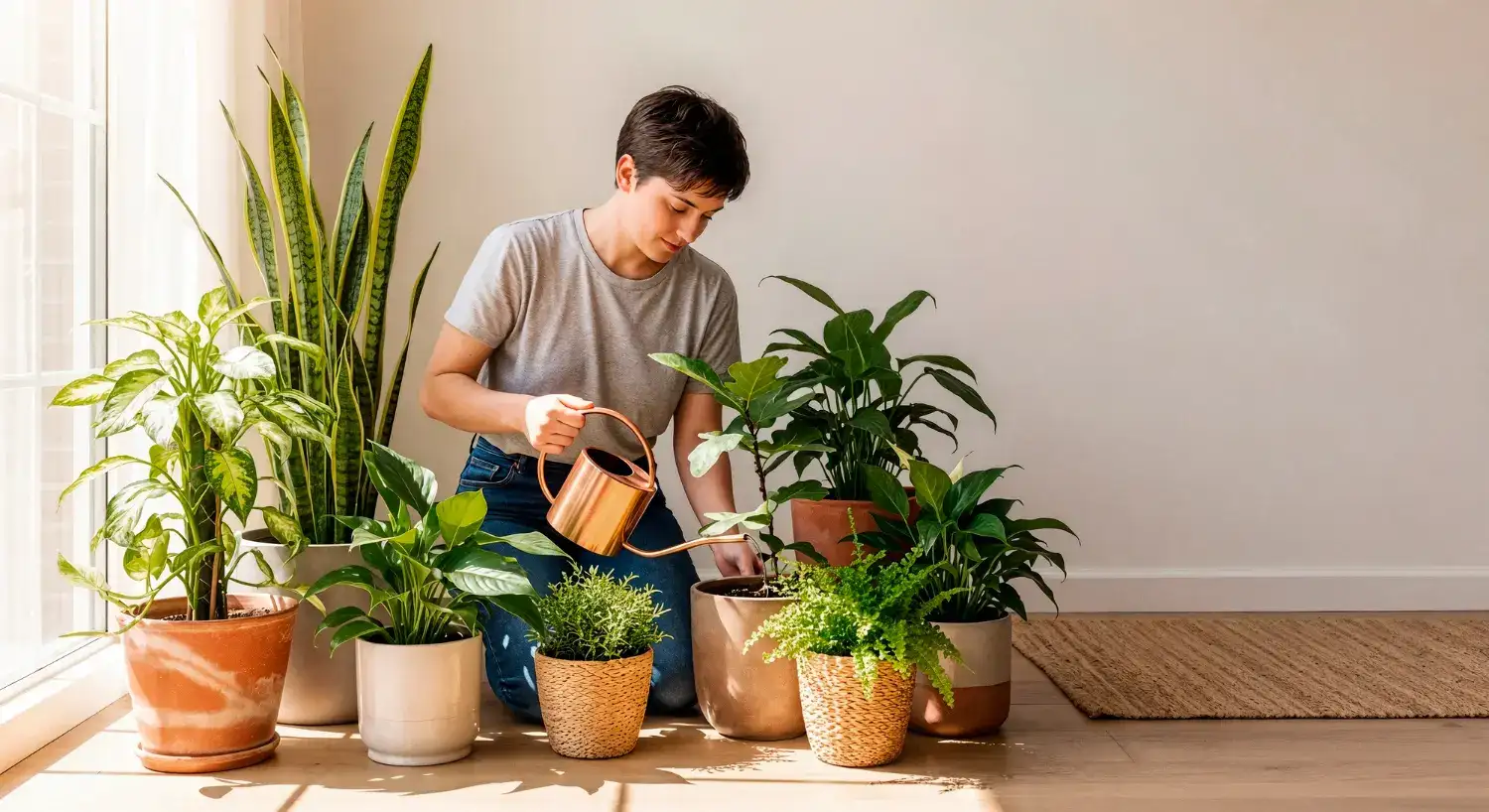
Balance sunlight exposure
Most indoor plants enjoy light, but harsh summer sun can do more harm than good. Direct afternoon rays through windows may scorch leaves or fade their color. Shifting plants slightly away from direct sunlight or using light curtains helps soften the intensity. Bright, filtered light is usually the safest choice.
Water wisely, not excessively
Hot weather increases plant water needs, but too much watering is a common mistake. Overwatering can damage roots and weaken the plant. Instead of sticking to a fixed schedule, it is better to check soil moisture first and water only when the top layer feels dry.
Maintain indoor humidity
Air conditioners and fans often reduce indoor humidity, which many tropical plants rely on. Creating a more plant-friendly environment can be simple—placing pots together, using a water tray with pebbles underneath, or lightly misting leaves when needed can help restore moisture balance.
Keep leaves dust-free
Dust naturally settles on indoor plants and blocks light absorption over time. Wiping leaves gently improves photosynthesis and helps plants breathe better. Clean leaves also make it easier to notice early signs of pests or disease.
Watch for summer pests
Warm conditions encourage pests like spider mites, aphids, whiteflies, and mealybugs to multiply quickly. Regular inspection of leaves and stems helps catch infestations early before they spread and weaken the plant.
Avoid excess fertiliser in heat
Even though plants grow actively in summer, too much fertiliser during peak heat can do more harm than good. It may lead to nutrient stress or “burn.” Following a normal feeding routine is safer than increasing dosage in hot weather.
Improve air circulation
Good airflow helps plants stay healthy by reducing heat buildup and preventing fungal problems. Opening windows during cooler hours or using a fan at low speed can improve ventilation indoors.
Choose the right pot and soil
Well-draining soil is essential in summer to prevent waterlogging while still retaining enough moisture. Light-colored pots are also helpful as they absorb less heat. Summer is also a suitable time for repotting, as many plants actively grow new roots during this season.
With the right care routine, indoor plants can stay fresh, green, and healthy even during intense summer days.
Balance sunlight exposure
Most indoor plants enjoy light, but harsh summer sun can do more harm than good. Direct afternoon rays through windows may scorch leaves or fade their color. Shifting plants slightly away from direct sunlight or using light curtains helps soften the intensity. Bright, filtered light is usually the safest choice. Water wisely, not excessively
Hot weather increases plant water needs, but too much watering is a common mistake. Overwatering can damage roots and weaken the plant. Instead of sticking to a fixed schedule, it is better to check soil moisture first and water only when the top layer feels dry.Maintain indoor humidity
Air conditioners and fans often reduce indoor humidity, which many tropical plants rely on. Creating a more plant-friendly environment can be simple—placing pots together, using a water tray with pebbles underneath, or lightly misting leaves when needed can help restore moisture balance. Keep leaves dust-free
Dust naturally settles on indoor plants and blocks light absorption over time. Wiping leaves gently improves photosynthesis and helps plants breathe better. Clean leaves also make it easier to notice early signs of pests or disease.You may also like
- Low income? No problem—this investment strategy can make you wealthy.
- Filing ITR for the first time? Don't start without these documents
- Date Set for PM Kisan Scheme's 23rd Installment; ₹2,000 Won't Reach These Farmers' Accounts—Here's Why
- Ananya Panday serves golden goddess energy in Gaurav Gupta couture at Piaget's Monaco Gala
- Unveiling the Teaser of 'Batwara 1947': A Journey Through Partition
Watch for summer pests
Warm conditions encourage pests like spider mites, aphids, whiteflies, and mealybugs to multiply quickly. Regular inspection of leaves and stems helps catch infestations early before they spread and weaken the plant. Avoid excess fertiliser in heat
Even though plants grow actively in summer, too much fertiliser during peak heat can do more harm than good. It may lead to nutrient stress or “burn.” Following a normal feeding routine is safer than increasing dosage in hot weather. Improve air circulation
Good airflow helps plants stay healthy by reducing heat buildup and preventing fungal problems. Opening windows during cooler hours or using a fan at low speed can improve ventilation indoors. Choose the right pot and soil
Well-draining soil is essential in summer to prevent waterlogging while still retaining enough moisture. Light-colored pots are also helpful as they absorb less heat. Summer is also a suitable time for repotting, as many plants actively grow new roots during this season.With the right care routine, indoor plants can stay fresh, green, and healthy even during intense summer days.






More from our partners


Loving Newspoint? Download the app now
