
Summer Care Tips to Keep Indoor Plants Healthy and Green

Summer can be tough not just for people but also for indoor plants. Even though they stay protected inside homes, rising temperatures, dry air, strong sunlight, and watering mistakes can quickly stress them out. Signs like yellowing leaves, brown patches, and drooping stems often signal heat stress. The good news is that a few simple adjustments can keep plants thriving through the hottest months.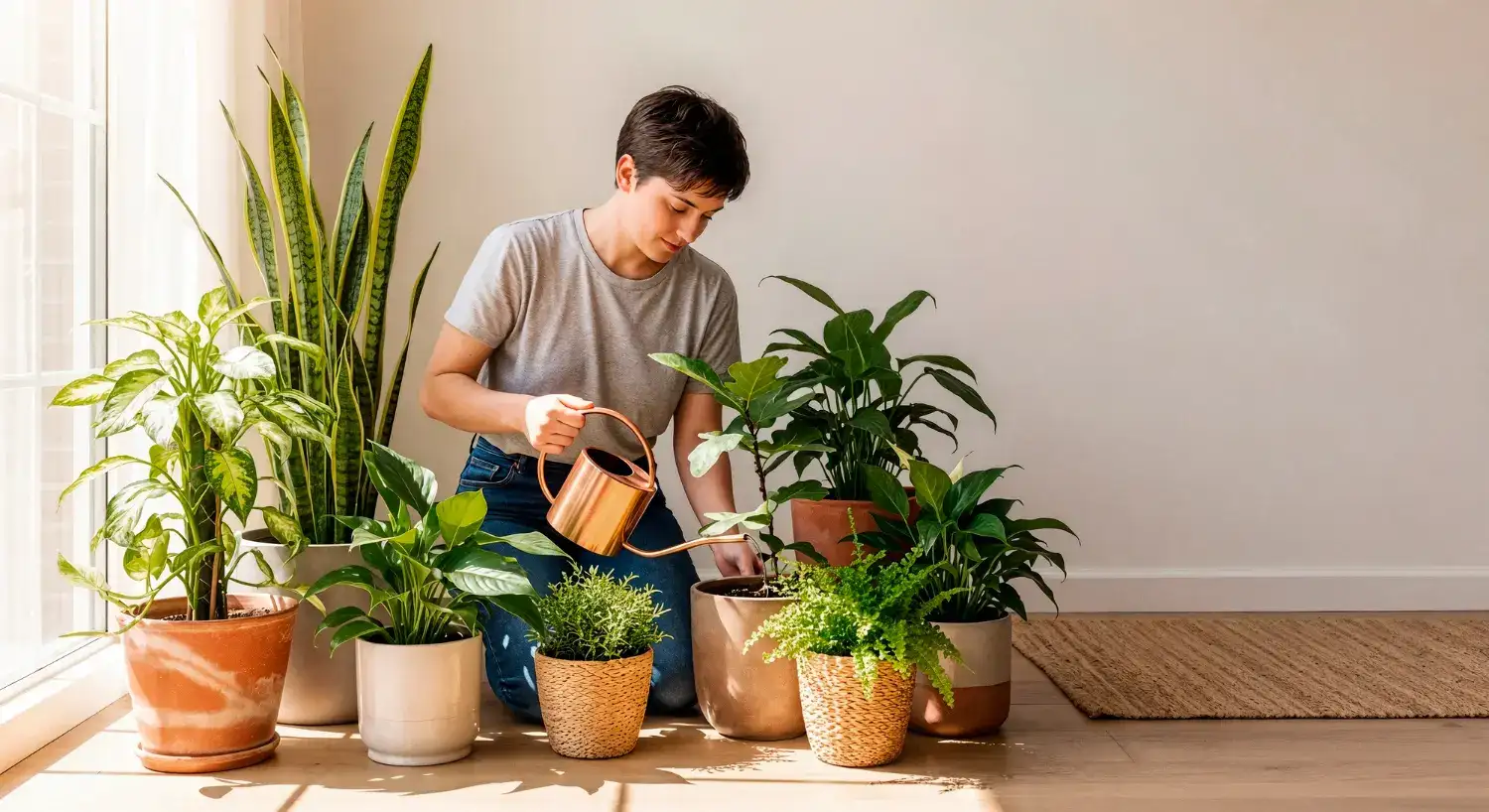
Balance sunlight exposure
Most indoor plants enjoy light, but harsh summer sun can do more harm than good. Direct afternoon rays through windows may scorch leaves or fade their color. Shifting plants slightly away from direct sunlight or using light curtains helps soften the intensity. Bright, filtered light is usually the safest choice.
Water wisely, not excessively
Hot weather increases plant water needs, but too much watering is a common mistake. Overwatering can damage roots and weaken the plant. Instead of sticking to a fixed schedule, it is better to check soil moisture first and water only when the top layer feels dry.
Maintain indoor humidity
Air conditioners and fans often reduce indoor humidity, which many tropical plants rely on. Creating a more plant-friendly environment can be simple—placing pots together, using a water tray with pebbles underneath, or lightly misting leaves when needed can help restore moisture balance.
Keep leaves dust-free
Dust naturally settles on indoor plants and blocks light absorption over time. Wiping leaves gently improves photosynthesis and helps plants breathe better. Clean leaves also make it easier to notice early signs of pests or disease.
Balance sunlight exposure
Most indoor plants enjoy light, but harsh summer sun can do more harm than good. Direct afternoon rays through windows may scorch leaves or fade their color. Shifting plants slightly away from direct sunlight or using light curtains helps soften the intensity. Bright, filtered light is usually the safest choice. Water wisely, not excessively
Hot weather increases plant water needs, but too much watering is a common mistake. Overwatering can damage roots and weaken the plant. Instead of sticking to a fixed schedule, it is better to check soil moisture first and water only when the top layer feels dry.Maintain indoor humidity
Air conditioners and fans often reduce indoor humidity, which many tropical plants rely on. Creating a more plant-friendly environment can be simple—placing pots together, using a water tray with pebbles underneath, or lightly misting leaves when needed can help restore moisture balance. Keep leaves dust-free
Dust naturally settles on indoor plants and blocks light absorption over time. Wiping leaves gently improves photosynthesis and helps plants breathe better. Clean leaves also make it easier to notice early signs of pests or disease.Next Story