
How To Check Fake Food Colours At Home: Simple Ways To Spot Suspicious Food Dyes

Food colouring is used in many products to improve or maintain their appearance. Some approved colours are legally used in specific foods and within permitted limits. However, concerns may arise when a product appears unusually bright or when an unauthorised substance is suspected.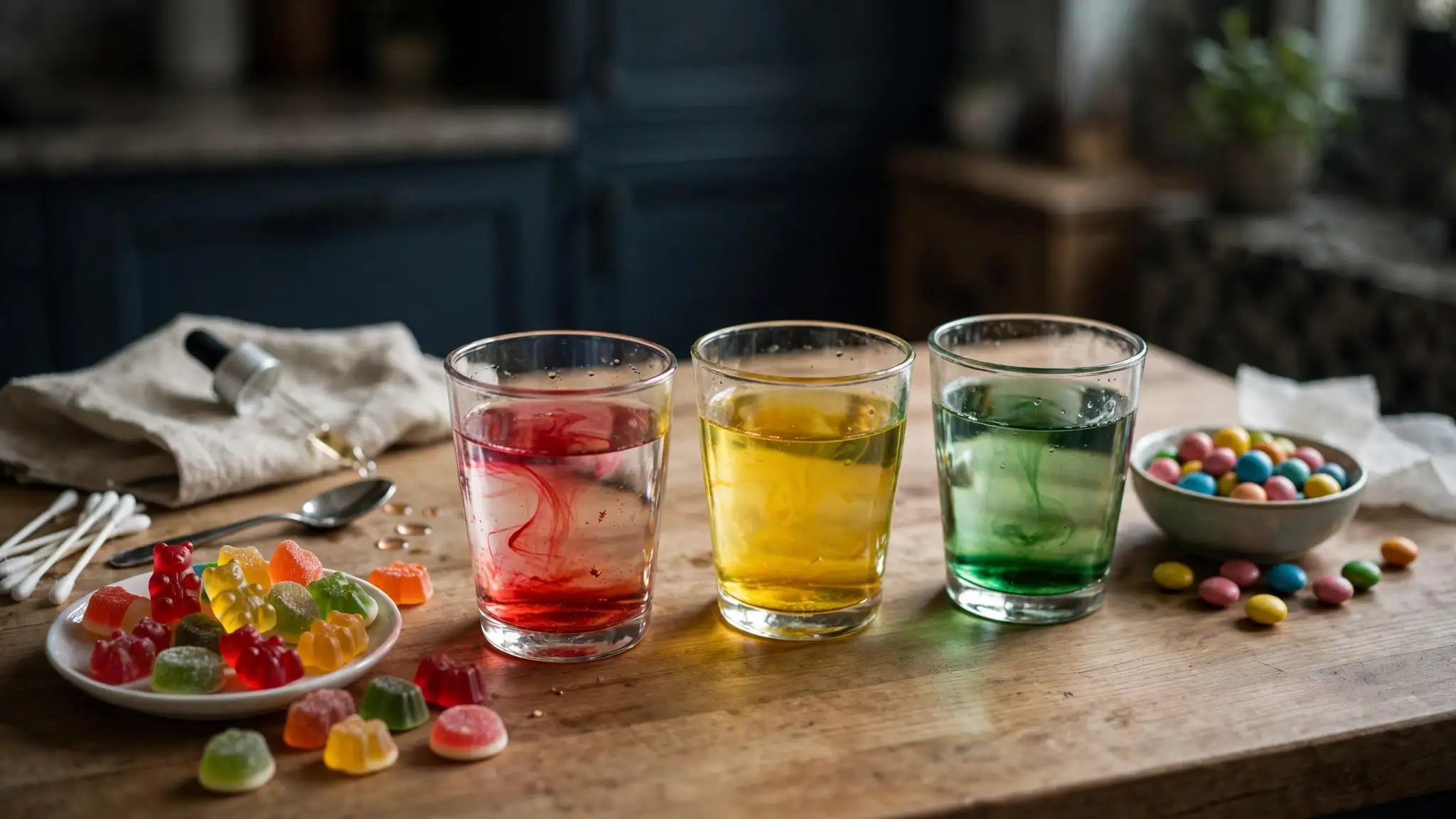
According to food safety experts, appearance alone cannot establish whether a food colour is safe or unsafe. Laboratory testing is generally required to identify a specific chemical or confirm adulteration.
Still, consumers can look for warning signs before buying or eating a product.
However, colour intensity alone is not proof of fake food colours . Some foods naturally have strong colours, while approved food colourings can also create vibrant shades.
Instead of relying only on appearance, check the product label for the name or code of permitted food colours, where applicable.
This can be a warning sign, but it is not a definitive test. Some legitimate food colours are water-soluble and may naturally dissolve.
The test cannot identify the chemical involved or confirm that a product is adulterated. If you have serious concerns, laboratory testing is the reliable method.
Unlabelled loose products may offer less information about their ingredients. Industry watchers generally recommend buying food colours and coloured food products from reliable sellers with clear labelling.
If a food has an unusual chemical smell, visible contamination or an intensely artificial appearance, avoid consuming it. For suspected food colour adulteration , keep the packaging or product sample where possible and report the concern to the relevant food safety authority.
The safest approach combines careful observation, proper label checking and buying from trusted sources. A simple home test may raise a question, but only appropriate testing can determine whether a particular food colour is unauthorised or harmful.
Image Courtesy: Meta AI
According to food safety experts, appearance alone cannot establish whether a food colour is safe or unsafe. Laboratory testing is generally required to identify a specific chemical or confirm adulteration.
Still, consumers can look for warning signs before buying or eating a product.
Look For Unusually Bright Colours
An extremely bright, almost unnatural colour can be a reason to examine a food more carefully. This may be particularly noticeable in brightly coloured sweets, spices or snacks.However, colour intensity alone is not proof of fake food colours . Some foods naturally have strong colours, while approved food colourings can also create vibrant shades.
Instead of relying only on appearance, check the product label for the name or code of permitted food colours, where applicable.
Try A Simple Water Test Carefully
For some solid foods, a basic water test may help reveal whether colour appears to leach out unusually quickly. Place a small sample in clean water and observe whether the water develops an intense colour almost immediately.This can be a warning sign, but it is not a definitive test. Some legitimate food colours are water-soluble and may naturally dissolve.
The test cannot identify the chemical involved or confirm that a product is adulterated. If you have serious concerns, laboratory testing is the reliable method.
You may also like
- Home Loan Tips: Repay the loan early or invest the money? Find out which option is more beneficial..
- The Indian Rupee will now be accepted in this country; approval granted to carry ₹200 and ₹500 notes..
- Mumbai–Bengaluru Vande Bharat Sleeper's First AC coach gets a stunning luxury makeover; see the video
- Birth Order and Intelligence: Why do siblings raised in the same home have different brains?
- Water Bottle Smell Problem: Does the bottle smell bad even after washing it daily? Quit this habit.
Check Food Labels And Packaging
When buying packaged food, examine the ingredients list, manufacturing details and best-before date. Look for information about added colours and avoid products with damaged or unclear packaging.Unlabelled loose products may offer less information about their ingredients. Industry watchers generally recommend buying food colours and coloured food products from reliable sellers with clear labelling.
Do Not Rely On Home Tests Alone
Learning how to check fake food colours can help consumers notice possible warning signs, but home tests should not be treated as scientific confirmation.If a food has an unusual chemical smell, visible contamination or an intensely artificial appearance, avoid consuming it. For suspected food colour adulteration , keep the packaging or product sample where possible and report the concern to the relevant food safety authority.
The safest approach combines careful observation, proper label checking and buying from trusted sources. A simple home test may raise a question, but only appropriate testing can determine whether a particular food colour is unauthorised or harmful.
Image Courtesy: Meta AI






Loving Newspoint? Download the app now
