
How to Check If Suji Is Adulterated Before Cooking Your Favourite Dishes

Suji, also known as semolina, is widely used to prepare dishes such as upma, halwa, idli and a variety of baked foods. As a commonly purchased pantry staple, its quality plays an important role in both taste and nutrition. While genuine suji has a clean appearance and pleasant aroma, poor-quality products may contain unwanted impurities or show signs of improper storage. Although laboratory testing is the only reliable way to confirm adulteration, a few simple observations at home can help you identify suspicious products before use. Knowing what to look for allows you to make informed purchasing decisions and maintain better food safety in your kitchen.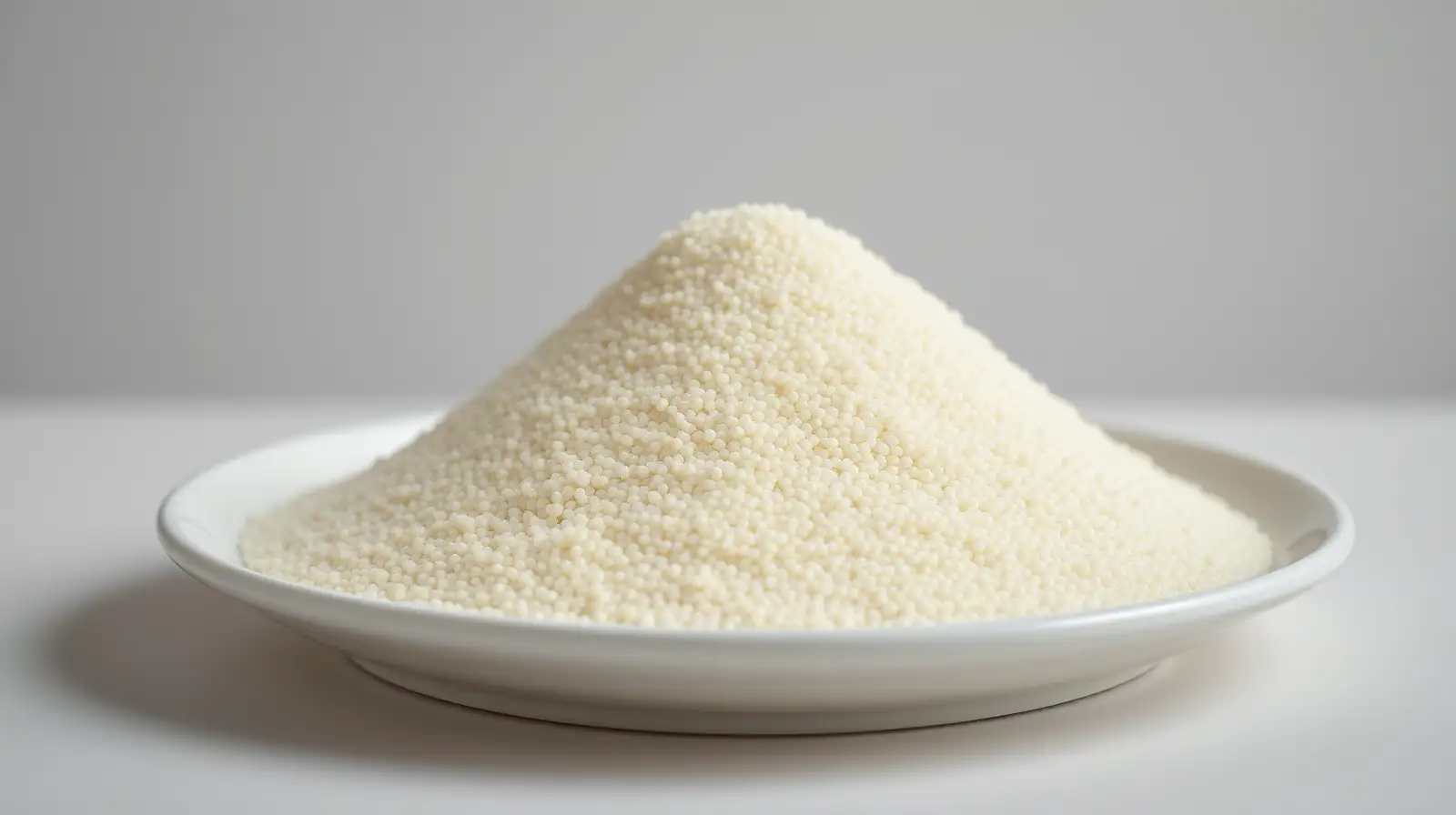
The granules should feel clean and dry. Any signs of moisture or clumping may indicate improper storage, which can reduce quality and encourage spoilage.
If the smell appears unusual immediately after opening the packet, it is best to avoid using the product.
You can also rub a small amount between your fingers. It should feel coarse yet clean, without excessive powder or gritty foreign particles.
Store suji in an airtight container in a cool, dry place to maintain its freshness and prevent moisture or insect infestation after purchase.
Suji is an everyday ingredient that deserves careful attention before it reaches your kitchen. Simple checks involving its colour, texture, aroma and cleanliness can help you identify products that may be of poor quality. While these observations cannot confirm adulteration, they can alert you to possible issues. Purchasing from reliable sources and storing suji properly remain the most effective ways to enjoy safe, fresh and high-quality meals.
Examine the Colour and Texture
Good-quality suji usually has a uniform off-white or pale cream colour with evenly sized granules. If you notice excessive dust, discoloured particles or an uneven appearance, the product may be of poor quality or contaminated with foreign matter.The granules should feel clean and dry. Any signs of moisture or clumping may indicate improper storage, which can reduce quality and encourage spoilage.
Check for Unusual Smell
Fresh suji has a mild, natural wheat aroma. A musty, sour or chemical-like smell may suggest that the product has absorbed moisture, deteriorated during storage or is no longer suitable for consumption.If the smell appears unusual immediately after opening the packet, it is best to avoid using the product.
You may also like
- The reason this mother accepted the title of 'World's Ugliest Woman' will break your heart
- Spider-Man: Brand New Day's Trailer Breaks Records with 590.8 Million Views
- Danish proverb of the day: “Don't sail out farther than you…”
- The Extraordinary Journey of Mako Nishimura: From Yakuza to Redemption
- Fridge Safety: This Woman Got A Shock While Cleaning Her Fridge, Don't Make These Mistakes
Look for Foreign Particles
Spread a small quantity of suji on a clean white plate and inspect it carefully under good lighting. Look for small stones, husk, insects or other visible impurities that should not be present in good-quality semolina.You can also rub a small amount between your fingers. It should feel coarse yet clean, without excessive powder or gritty foreign particles.
Buy From Reliable Sources
Choosing reputed brands or trusted grocery stores significantly reduces the chances of purchasing poor-quality products. Always check the packaging for the manufacturing date, expiry date and any signs of damage before buying.Store suji in an airtight container in a cool, dry place to maintain its freshness and prevent moisture or insect infestation after purchase.
Suji is an everyday ingredient that deserves careful attention before it reaches your kitchen. Simple checks involving its colour, texture, aroma and cleanliness can help you identify products that may be of poor quality. While these observations cannot confirm adulteration, they can alert you to possible issues. Purchasing from reliable sources and storing suji properly remain the most effective ways to enjoy safe, fresh and high-quality meals.






More from our partners


Loving Newspoint? Download the app now
