
How to Check If Suji Is Adulterated Before Cooking Your Favourite Dishes

Suji, also known as semolina, is widely used to prepare dishes such as upma, halwa, idli and a variety of baked foods. As a commonly purchased pantry staple, its quality plays an important role in both taste and nutrition. While genuine suji has a clean appearance and pleasant aroma, poor-quality products may contain unwanted impurities or show signs of improper storage. Although laboratory testing is the only reliable way to confirm adulteration, a few simple observations at home can help you identify suspicious products before use. Knowing what to look for allows you to make informed purchasing decisions and maintain better food safety in your kitchen.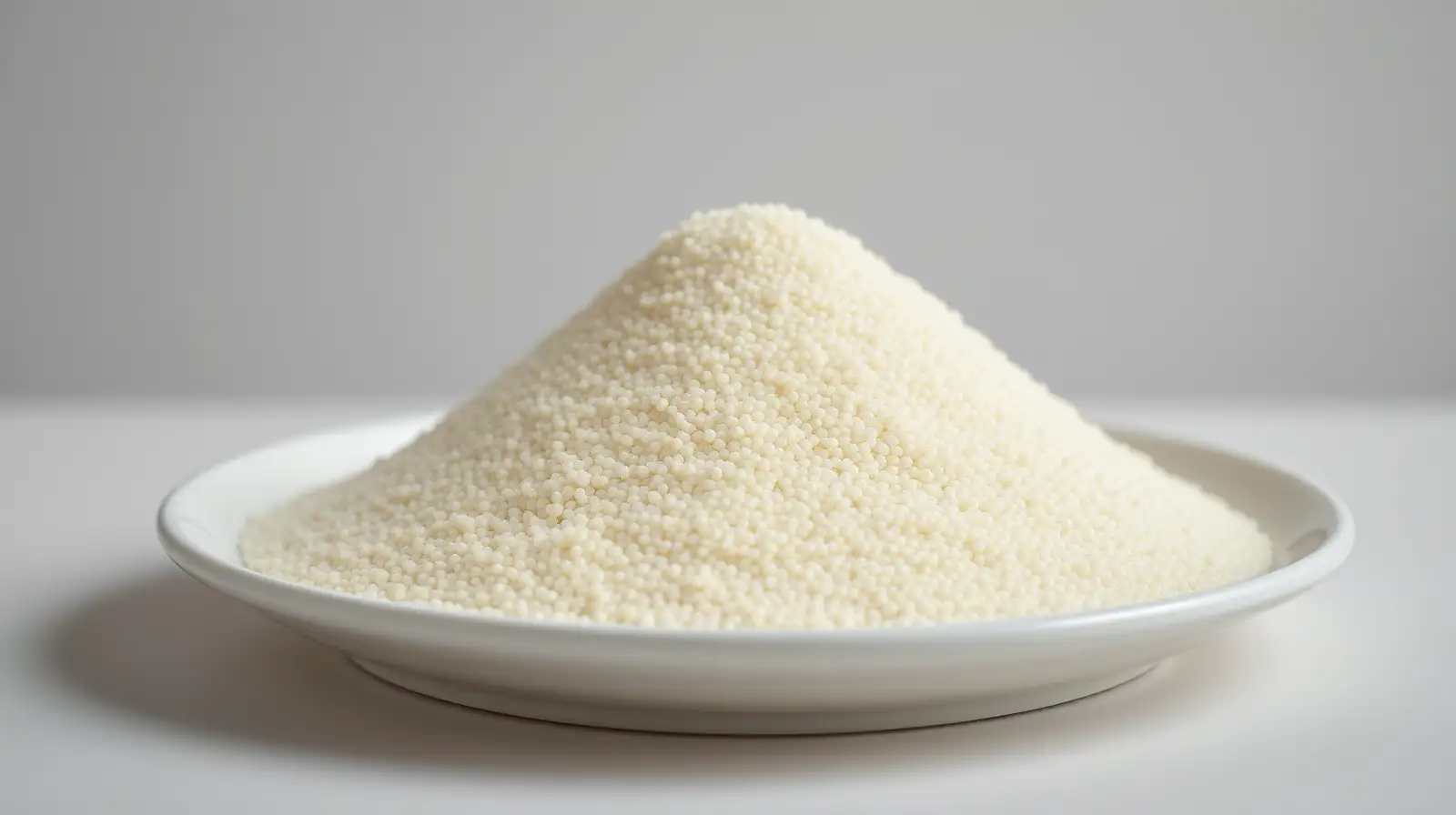
The granules should feel clean and dry. Any signs of moisture or clumping may indicate improper storage, which can reduce quality and encourage spoilage.
If the smell appears unusual immediately after opening the packet, it is best to avoid using the product.
Examine the Colour and Texture
Good-quality suji usually has a uniform off-white or pale cream colour with evenly sized granules. If you notice excessive dust, discoloured particles or an uneven appearance, the product may be of poor quality or contaminated with foreign matter.The granules should feel clean and dry. Any signs of moisture or clumping may indicate improper storage, which can reduce quality and encourage spoilage.
Check for Unusual Smell
Fresh suji has a mild, natural wheat aroma. A musty, sour or chemical-like smell may suggest that the product has absorbed moisture, deteriorated during storage or is no longer suitable for consumption.If the smell appears unusual immediately after opening the packet, it is best to avoid using the product.
Next Story