
How to Check Paneer Is Real or Fake: 7 Easy Tests to Identify Adulterated Paneer at Home

With rising concerns around food safety, knowing how to check paneer is real or fake has become essential for every household. Paneer is a staple in Indian diets, but cases of adulteration are increasing. The good news is that you can identify fake paneer at home using simple, quick tests without any special equipment.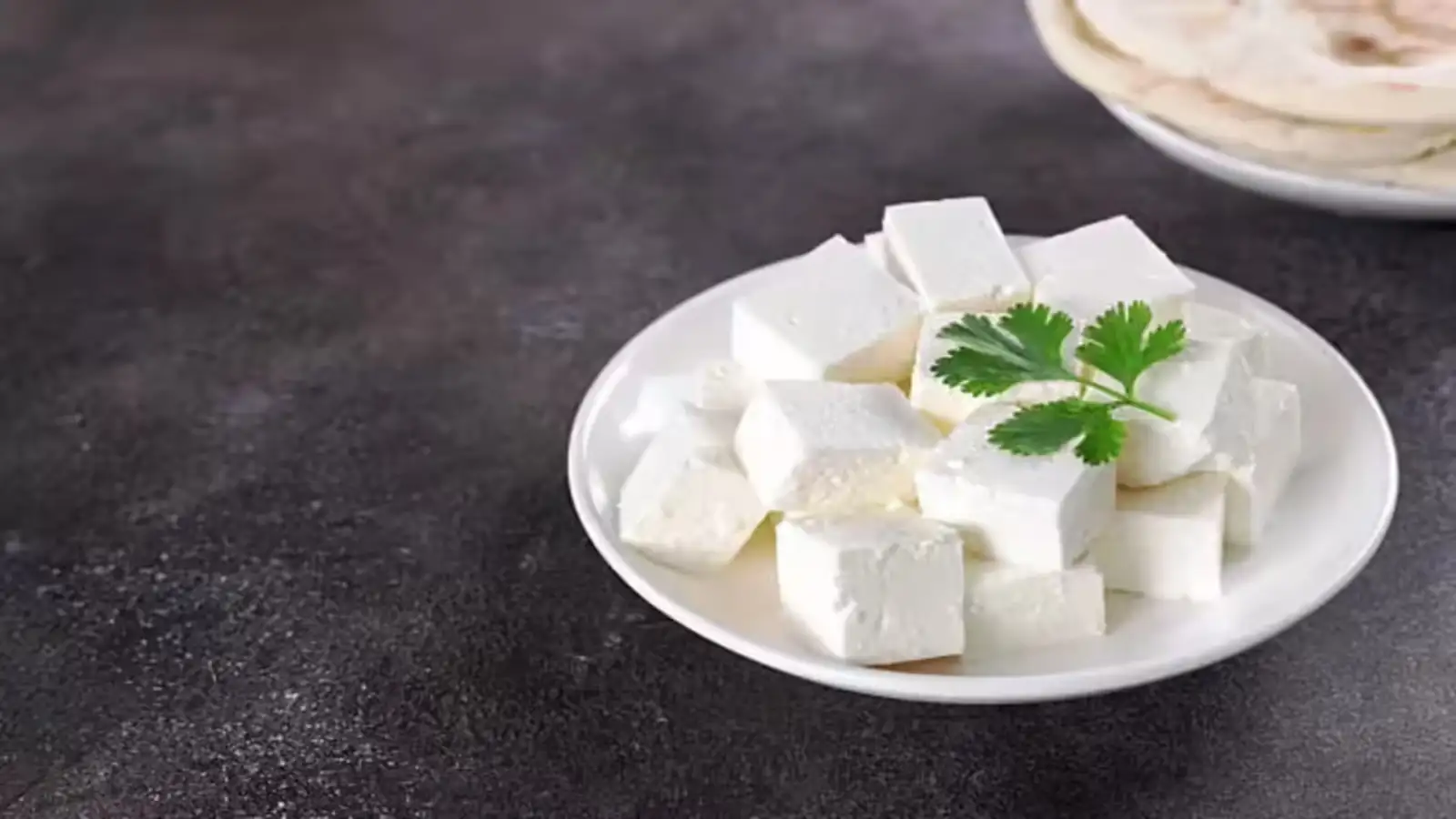
Why Fake Paneer Can Be Harmful
Adulterated paneer may look similar to the real thing, but it can pose serious health risks. It may contain harmful chemicals, starch, or even detergent-based substances.
This makes it important to check the quality before consuming paneer regularly.
7 Easy Tests to Check If Your Paneer Is Real or Fake
1. Iodine Test for Starch Detection
Boil a small piece of paneer and allow it to cool. Add a drop of iodine solution.
2. Smell Test
Fresh paneer always has a mild, milky aroma.
3. Pressure Test Using Hands
Take a piece and gently press or mash it.
4. Arhar Dal or Soybean Powder Test
Boil paneer, let it cool, and sprinkle a little arhar dal powder or soybean powder. Leave it for 10 minutes.
5. Taste Test
Take a small bite and observe the texture and flavour.
6. Heat Test
Place a piece of paneer on a hot pan.
7. Texture Check
Observe the surface and feel of the paneer.
Tips to Always Buy Safe Paneer
Understanding how to check paneer is real or fake can help protect your health and ensure you’re consuming safe, nutritious food. These simple home tests make it easier to identify adulteration and make informed choices. A little caution can go a long way in keeping your meals safe and wholesome.
Why Fake Paneer Can Be Harmful
Adulterated paneer may look similar to the real thing, but it can pose serious health risks. It may contain harmful chemicals, starch, or even detergent-based substances.
- Can cause stomach infections and food poisoning
- May trigger allergies or digestive issues
- Lacks essential nutrients like protein
- Long-term consumption can harm vital organs
This makes it important to check the quality before consuming paneer regularly.
7 Easy Tests to Check If Your Paneer Is Real or Fake
1. Iodine Test for Starch Detection
Boil a small piece of paneer and allow it to cool. Add a drop of iodine solution.
- If it turns blue or dark → presence of starch (fake paneer)
- No colour change → likely pure paneer
2. Smell Test
Fresh paneer always has a mild, milky aroma.
You may also like
- Millions of drivers hit with car tax increase from next week - see new rates
- Effective Morning Yoga Techniques to Relieve Constipation
- Effective Remedies to Combat Acidity: Insights from a Gastroenterologist
- Vietnam becomes top destination for Indians as Middle East tensions rise
- 5 Amazing Reasons To Add Coriander Tea To Your Routine
- Sour or chemical-like smell → possible adulteration
- Strong or unpleasant odour → not safe to consume
3. Pressure Test Using Hands
Take a piece and gently press or mash it.
- Real paneer stays firm and holds shape
- Fake paneer crumbles or breaks easily
4. Arhar Dal or Soybean Powder Test
Boil paneer, let it cool, and sprinkle a little arhar dal powder or soybean powder. Leave it for 10 minutes.
- Red colour change → may contain detergent or urea
- No change → safer to consume
5. Taste Test
Take a small bite and observe the texture and flavour.
- Real paneer tastes fresh and milky
- Fake paneer may feel rubbery, chewy, or slightly sour
6. Heat Test
Place a piece of paneer on a hot pan.
- Real paneer may lightly brown or stay intact
- Fake paneer may release excess water or melt unevenly
7. Texture Check
Observe the surface and feel of the paneer.
- Smooth, soft texture → good quality paneer
- Too hard, rubbery, or overly spongy → possible adulteration
Tips to Always Buy Safe Paneer
- Purchase from trusted brands or local dairies
- Check freshness before buying
- Avoid paneer with unusual colour or smell
- Store properly to maintain quality
Understanding how to check paneer is real or fake can help protect your health and ensure you’re consuming safe, nutritious food. These simple home tests make it easier to identify adulteration and make informed choices. A little caution can go a long way in keeping your meals safe and wholesome.






More from our partners


Loving Newspoint? Download the app now
