
How to Check Tea Purity at Home: 4 Simple Tests for Adulteration

Tea is a daily staple in millions of Indian households, but how to check tea purity at home is a question worth asking when tea leaves or tea dust may contain artificial colours, spent leaves, iron filings or other unwanted substances. While only laboratory testing can provide a reliable assessment of overall tea quality, a few simple home checks can help identify some common signs of adulteration.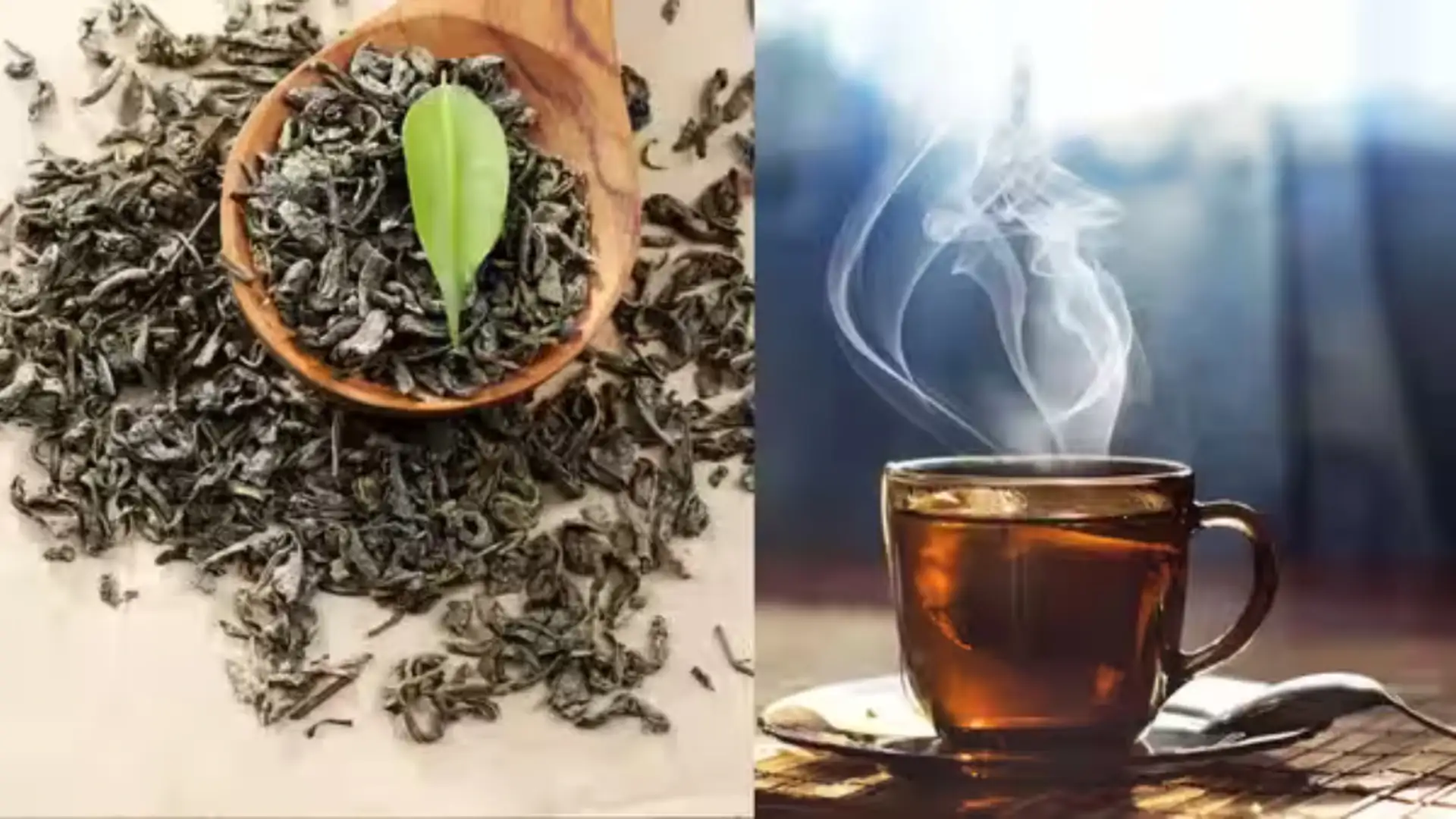
Take a small quantity of tea and place it on a clean white filter paper. Add a few drops of water and allow the liquid to spread across the paper. Let the tea sample dry, then rinse the paper under running water. Examine it against a white background.
Pure tea should not leave an unusually strong or unnatural colour behind. A noticeable pink or red stain may indicate the presence of coloured used tea leaves, although this test alone cannot confirm adulteration.
Be cautious if the leaves appear unnaturally bright, excessively dark or have visible foreign material attached to them. However, appearance is not a definitive test because tea varieties can naturally differ in colour, size, texture and processing.
So, an unusual appearance should be treated as a reason for further checking rather than proof that the tea has been adulterated.
Spread a small quantity of dry tea leaves on a plain sheet of paper. Slowly move a magnet over the sample. If metallic particles are present, they may be attracted towards the magnet.
This method can help detect certain metallic contaminants, but it has major limitations. A magnet cannot identify pesticides, bacteria, heavy metals that are not magnetic, chemicals or many other forms of adulteration.
If the drink develops an unusually strong or unnatural colour very quickly, particularly a striking reddish shade, it may warrant further investigation. An unusual smell may also be a reason to avoid consuming the product.
However, brewed tea naturally varies in colour and strength depending on the tea variety, quantity used, brewing time and preparation method. Therefore, appearance alone cannot establish whether a sample is adulterated.
A tea sample that passes these simple checks should not automatically be considered completely pure. Similarly, an unusual result does not necessarily prove adulteration.
For accurate confirmation, the sample should be examined by a certified food-testing laboratory.
You can also contact the relevant local food-safety authorities or have the product tested at a certified laboratory if you need confirmation.
How to Check Tea Purity With a Filter Paper
A white filter paper can help you look for artificial colouring agents in tea leaves or tea dust.Take a small quantity of tea and place it on a clean white filter paper. Add a few drops of water and allow the liquid to spread across the paper. Let the tea sample dry, then rinse the paper under running water. Examine it against a white background.
Pure tea should not leave an unusually strong or unnatural colour behind. A noticeable pink or red stain may indicate the presence of coloured used tea leaves, although this test alone cannot confirm adulteration.
Check the Colour and Appearance of Tea Leaves
The appearance of dry tea leaves can also provide some clues. Good-quality tea should generally have a natural-looking colour and texture appropriate to its variety and processing method.Be cautious if the leaves appear unnaturally bright, excessively dark or have visible foreign material attached to them. However, appearance is not a definitive test because tea varieties can naturally differ in colour, size, texture and processing.
So, an unusual appearance should be treated as a reason for further checking rather than proof that the tea has been adulterated.
Use a Magnet to Check for Iron Filings
A magnet can be used as a quick home check for metallic particles such as iron filings.Spread a small quantity of dry tea leaves on a plain sheet of paper. Slowly move a magnet over the sample. If metallic particles are present, they may be attracted towards the magnet.
This method can help detect certain metallic contaminants, but it has major limitations. A magnet cannot identify pesticides, bacteria, heavy metals that are not magnetic, chemicals or many other forms of adulteration.
Observe the Brewed Tea
The brewed tea can also offer some visual and sensory clues. After preparing your tea as usual, observe its colour, smell and overall appearance.If the drink develops an unusually strong or unnatural colour very quickly, particularly a striking reddish shade, it may warrant further investigation. An unusual smell may also be a reason to avoid consuming the product.
However, brewed tea naturally varies in colour and strength depending on the tea variety, quantity used, brewing time and preparation method. Therefore, appearance alone cannot establish whether a sample is adulterated.
Can Home Tests Detect All Tea Adulterants?
No. Home tests can only provide initial indications of certain types of adulteration. They cannot establish whether tea contains pesticides, bacteria, heavy metals or other potentially harmful contaminants.You may also like
- Heart Health Warning: Why Is Your Heart Rate Unhealthy Before 40 Without Blood Pressure or Diabetes
- Delhi Lakshmi Yojana: Will ₹2,500 be credited to your account, or is there a wait? Here's how to check your application status.
- PM Surya Ghar Application Rejected: Here's How to Fix Errors Online
- Man Bitten by Rat While Watching Movie in Theater; Awarded ₹18,000 Compensation
- Big news ahead of the 24th installment of the PM Kisan Yojana: ₹5,000 crore credited to the accounts of 6.36 lakh farmers..
A tea sample that passes these simple checks should not automatically be considered completely pure. Similarly, an unusual result does not necessarily prove adulteration.
For accurate confirmation, the sample should be examined by a certified food-testing laboratory.
What to Do If You Suspect Adulterated Tea
If you believe your tea may be adulterated, keep the original packet and packaging rather than throwing them away. The packaging can contain useful information such as the brand, batch number, manufacturing details and expiry date.You can also contact the relevant local food-safety authorities or have the product tested at a certified laboratory if you need confirmation.
Tips to Buy Better-Quality Tea
When purchasing tea, a few basic checks can reduce the risk of buying a questionable product:- Choose tea from established and trusted brands.
- Check the packaging for damage or unusual signs.
- Look at the manufacturing and expiry dates.
- Read the product and batch information carefully.
- Avoid products with damaged, tampered or suspicious packaging.
- Keep the receipt and packaging if you notice something unusual after purchase.






Loving Newspoint? Download the app now
