
How to Choose, Prepare and Store Beetroot While Making Everyday Meals More Interesting

Beetroot brings earthy sweetness and vivid colour to everyday meals, whether roasted, grated into a salad or blended into a dip. It is widely available and can be prepared in batches, making it useful for anyone trying to eat more vegetables without complicated recipes.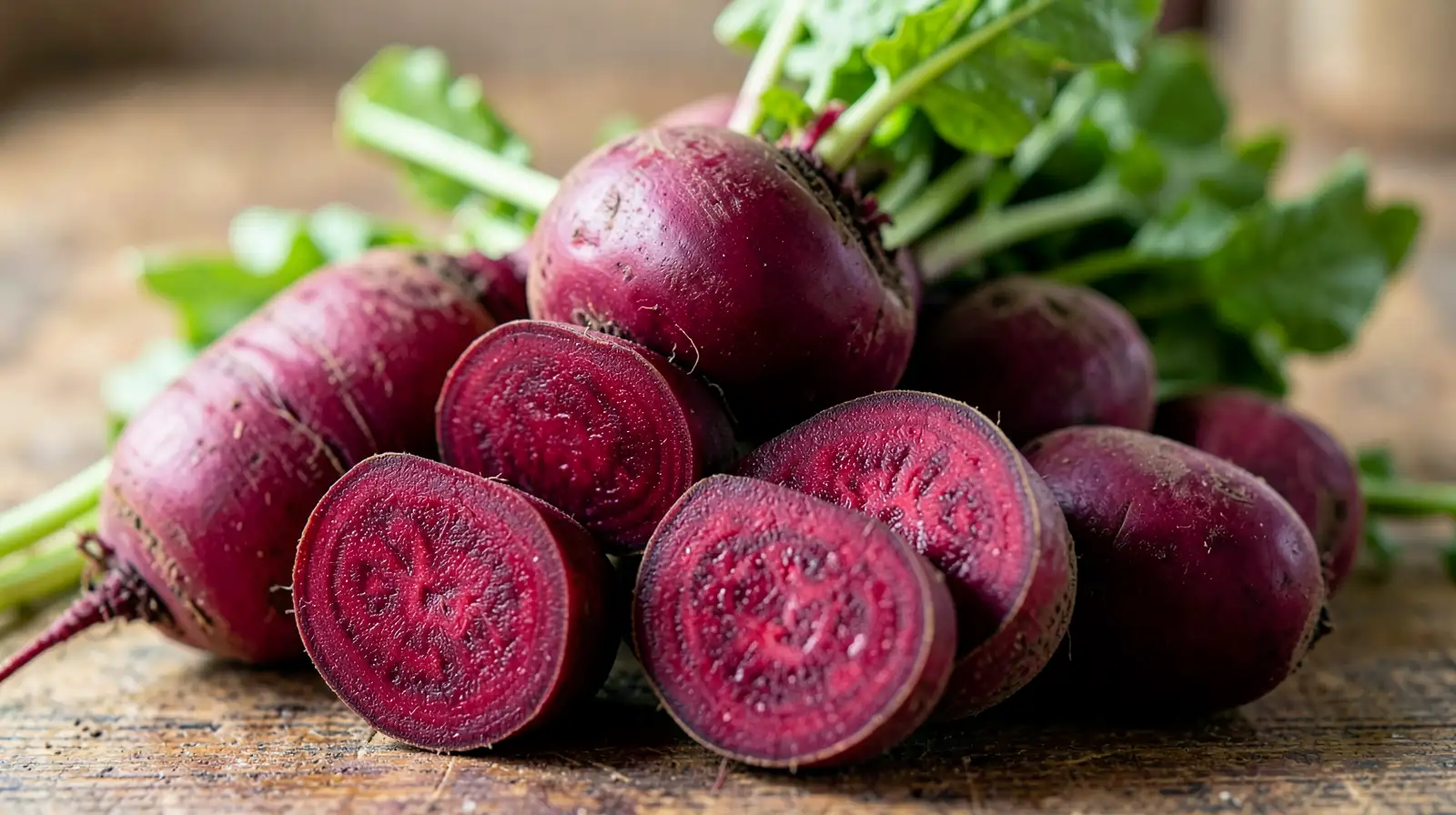
Its deep red-purple colour comes from natural pigments, while the root provides fibre and folate. Beetroot is not a cure-all, and its value depends on the wider diet. Enjoy it alongside different vegetables, pulses, fruit and wholegrains rather than expecting one ingredient to transform health. Try it in varied dishes across the week when planning meals.
Beetroot's natural pigments can stain fingers, chopping boards and fabric. Wearing an apron and using a board that is easy to clean can make preparation less messy. The colour may also temporarily tint urine or stools in some people. This is often harmless after eating beetroot, but unexplained or persistent changes should be discussed with a healthcare professional.
Cooked beetroot can also be blended with chickpeas, tahini and lemon for a colourful dip. If buying ready-cooked beetroot, check the label for added salt or sugar, particularly when it is packed in a seasoned dressing. Pickled beetroot can be convenient too, though its salt and sugar content differs by brand.
Beetroot benefits are easiest to enjoy as part of regular meals, not through large quantities of juice or supplements. People who have been advised to limit particular nutrients or who have a medical condition should follow their clinician's guidance. A few servings alongside other vegetables can add colour, texture and variety to the weekly menu.
Its deep red-purple colour comes from natural pigments, while the root provides fibre and folate. Beetroot is not a cure-all, and its value depends on the wider diet. Enjoy it alongside different vegetables, pulses, fruit and wholegrains rather than expecting one ingredient to transform health. Try it in varied dishes across the week when planning meals.
What beetroot contributes
Beetroot contains dietary fibre , which supports normal bowel function, and folate, a B vitamin needed for normal cell division. It also supplies potassium and naturally occurring plant compounds. The amounts vary with portion size and preparation, so it is best viewed as one contributor to a varied eating pattern rather than a stand-alone health solution.You may also like
- A reminder of death
- Worshipping Lord Hanuman on Vijayadashami brings auspicious results; learn 7 ways to please Him..
- Gu to Ru: The Guru Who Turns Darkness Into Light
- Vijayadashami 2026: Be sure to perform these astrological remedies on Dussehra for happiness and prosperity in your life..
- Eating Instant Noodles Too Often? 5 Health Risks You Should Know Before Your Next Meal
Beetroot's natural pigments can stain fingers, chopping boards and fabric. Wearing an apron and using a board that is easy to clean can make preparation less messy. The colour may also temporarily tint urine or stools in some people. This is often harmless after eating beetroot, but unexplained or persistent changes should be discussed with a healthcare professional.
Easy ways to serve it
Roast peeled or scrubbed beetroot in wedges with a little oil until tender, then add it to a grain bowl with chickpeas, leafy greens and a yoghurt dressing. For a quicker option, grate raw beetroot into a slaw with carrot and apple. Lemon juice or vinegar balances its sweetness, while herbs add freshness without needing a heavy dressing.Cooked beetroot can also be blended with chickpeas, tahini and lemon for a colourful dip. If buying ready-cooked beetroot, check the label for added salt or sugar, particularly when it is packed in a seasoned dressing. Pickled beetroot can be convenient too, though its salt and sugar content differs by brand.
Buying and storing beetroot
Choose firm roots without soft, wet patches or deep damage. If the leaves are attached, they should look reasonably fresh; remove them before storage because they draw moisture from the root. Keep unwashed beetroot in a breathable bag in the fridge, and wash it before cooking. Store cooked leftovers in a covered container and refrigerate promptly.Beetroot benefits are easiest to enjoy as part of regular meals, not through large quantities of juice or supplements. People who have been advised to limit particular nutrients or who have a medical condition should follow their clinician's guidance. A few servings alongside other vegetables can add colour, texture and variety to the weekly menu.






Loving Newspoint? Download the app now
