
Perfect Pots for Healthy Plants: Choose the Right Home for Your Green Friends

A healthy plant starts with the right pot. While sunlight, water, and good soil are important, the container you choose can make a huge difference in how well a plant grows. Since every plant has different root patterns and watering needs, using the same type of pot for all your plants is not a good idea. Here’s a simple guide to picking the best pot for some of the most popular houseplants.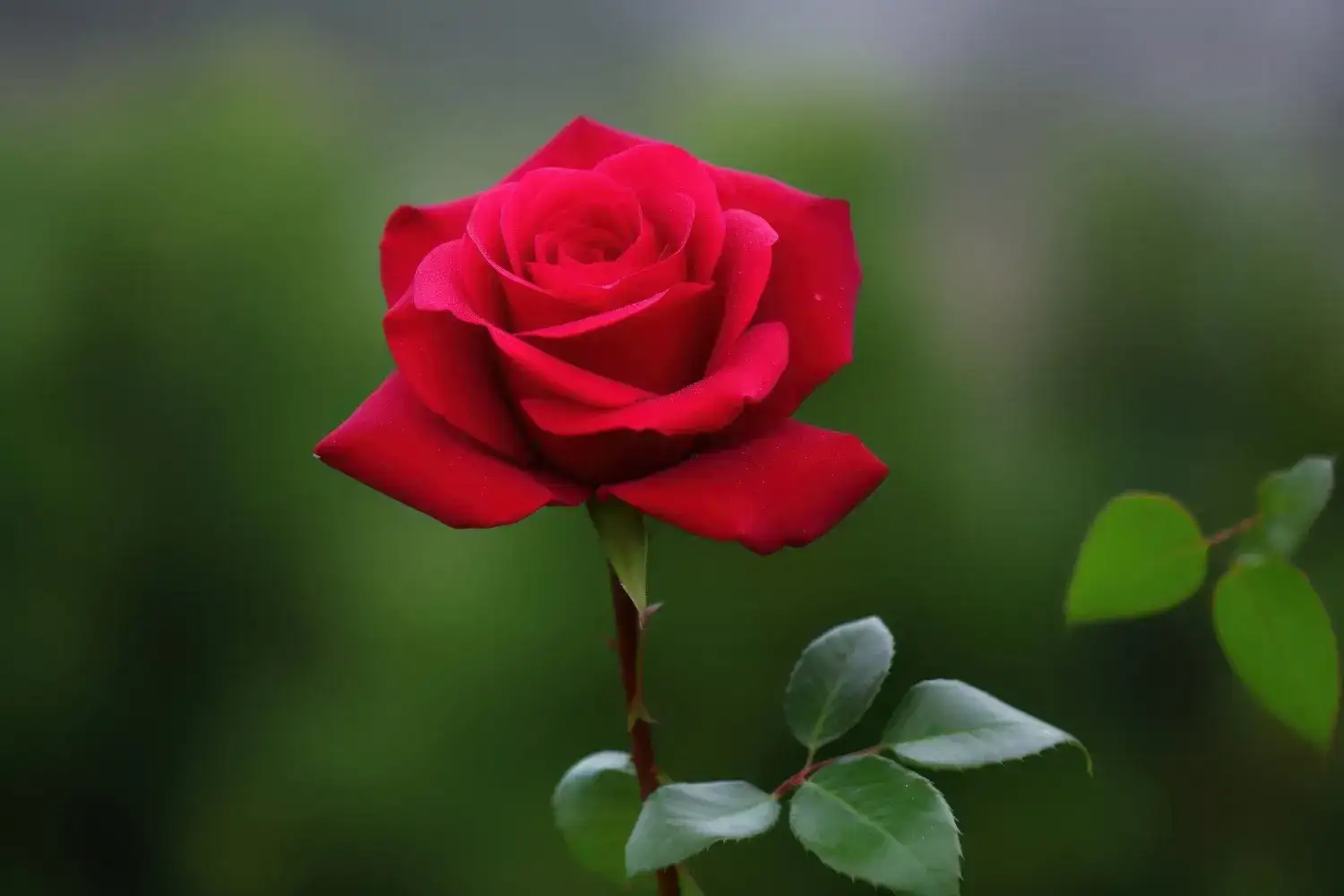
Money Plant: Medium Pots Work Best
Money plants are easy-going growers with roots that do not spread too deep. A medium-sized pot measuring around 8 to 12 inches is ideal for keeping them healthy. Plastic and ceramic pots both work well, but make sure the container has drainage holes. Proper drainage prevents water from collecting at the bottom and protects the roots from rotting.
Rose Plant: Give Roots Plenty of Space
Roses need room to thrive. Their roots grow deep and strong, making a large pot essential. Choose a container that is at least 14 to 18 inches deep. Earthen pots are a great option because they allow better airflow around the roots. With enough space and good aeration, rose plants reward you with healthier growth and more blooms.
Tulsi: Earthen Pots Are Ideal
Tulsi prefers a pot that keeps moisture balanced while allowing excess water to escape. A 10 to 12-inch earthen pot is often the best choice. The porous nature of clay helps absorb extra moisture, reducing the risk of fungal problems and root damage. This creates the perfect environment for a healthy Tulsi plant.
Snake Plant: Go Wide Instead of Deep
Unlike many plants, snake plants spread their roots sideways rather than downward. A wide pot gives them the space they need to grow comfortably. Terracotta and ceramic pots are excellent choices because they help manage moisture levels. Since snake plants prefer drier conditions, drainage holes are especially important.
Aloe Vera: Shallow Pots Keep It Happy
Aloe vera has roots that stay close to the soil surface. A shallow, wide pot is therefore a much better choice than a deep one. Terracotta pots are particularly suitable because they allow excess water to drain quickly. Deep pots can hold moisture for longer periods, increasing the chances of root problems.
Why One Pot Doesn't Fit All
Every plant grows differently. Some develop deep roots, while others spread near the surface. Water requirements also vary from plant to plant. Choosing a pot based on these specific needs helps plants grow faster, stay healthier, and live longer.
Earthen vs Plastic Pots: Which Is Better?
Both types have their advantages. Earthen pots offer excellent airflow and moisture control, making them suitable for many plants. Plastic pots are lightweight, durable, and easy to move. The best choice depends on the plant you are growing and the conditions in your home or garden.
Never Ignore Drainage Holes
No matter what type of pot you choose, drainage holes are essential. They allow excess water to escape, preventing waterlogging, root rot, and fungal infections. A good drainage system is one of the simplest ways to keep your plants thriving.
Quick Pot Guide
Choosing the right pot may seem like a small detail, but it can have a big impact on your plant's health. Match the pot to the plant, and your indoor garden will stay greener, stronger, and more beautiful for years.
Money Plant: Medium Pots Work Best
Money plants are easy-going growers with roots that do not spread too deep. A medium-sized pot measuring around 8 to 12 inches is ideal for keeping them healthy. Plastic and ceramic pots both work well, but make sure the container has drainage holes. Proper drainage prevents water from collecting at the bottom and protects the roots from rotting. Rose Plant: Give Roots Plenty of Space
Roses need room to thrive. Their roots grow deep and strong, making a large pot essential. Choose a container that is at least 14 to 18 inches deep. Earthen pots are a great option because they allow better airflow around the roots. With enough space and good aeration, rose plants reward you with healthier growth and more blooms.Tulsi: Earthen Pots Are Ideal
Tulsi prefers a pot that keeps moisture balanced while allowing excess water to escape. A 10 to 12-inch earthen pot is often the best choice. The porous nature of clay helps absorb extra moisture, reducing the risk of fungal problems and root damage. This creates the perfect environment for a healthy Tulsi plant. Snake Plant: Go Wide Instead of Deep
Unlike many plants, snake plants spread their roots sideways rather than downward. A wide pot gives them the space they need to grow comfortably. Terracotta and ceramic pots are excellent choices because they help manage moisture levels. Since snake plants prefer drier conditions, drainage holes are especially important.Aloe Vera: Shallow Pots Keep It Happy
Aloe vera has roots that stay close to the soil surface. A shallow, wide pot is therefore a much better choice than a deep one. Terracotta pots are particularly suitable because they allow excess water to drain quickly. Deep pots can hold moisture for longer periods, increasing the chances of root problems. Why One Pot Doesn't Fit All
Every plant grows differently. Some develop deep roots, while others spread near the surface. Water requirements also vary from plant to plant. Choosing a pot based on these specific needs helps plants grow faster, stay healthier, and live longer. Earthen vs Plastic Pots: Which Is Better?
Both types have their advantages. Earthen pots offer excellent airflow and moisture control, making them suitable for many plants. Plastic pots are lightweight, durable, and easy to move. The best choice depends on the plant you are growing and the conditions in your home or garden. Never Ignore Drainage Holes
No matter what type of pot you choose, drainage holes are essential. They allow excess water to escape, preventing waterlogging, root rot, and fungal infections. A good drainage system is one of the simplest ways to keep your plants thriving.Quick Pot Guide
- Money Plant: 8-12 inch medium pot with drainage holes
- Rose: 14-18 inch deep earthen pot
- Tulsi: 10-12 inch earthen pot
- Snake Plant: Wide terracotta or ceramic pot
- Aloe Vera: Shallow, wide terracotta pot
Choosing the right pot may seem like a small detail, but it can have a big impact on your plant's health. Match the pot to the plant, and your indoor garden will stay greener, stronger, and more beautiful for years.
Next Story