How to Clean Tomatoes Properly to Remove Pesticide Residue

Tomatoes are a staple in many kitchens, used in salads, curries, sauces, and everyday cooking. However, like many fruits and vegetables, tomatoes are often treated with pesticides during farming to protect them from pests and diseases. If not cleaned properly, chemical residues can remain on the skin and enter your food. The good news is that you don’t need expensive products simple home methods can help make tomatoes safer to eat.
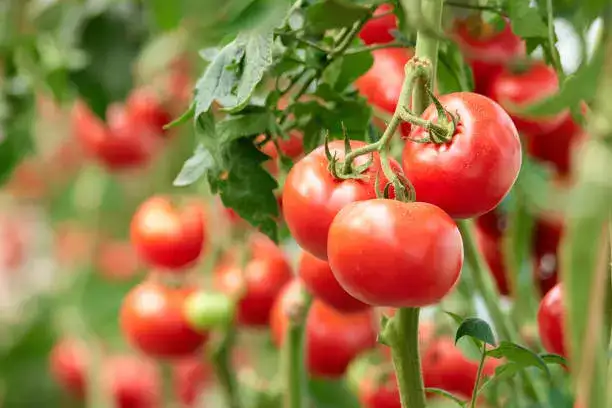
Properly cleaning tomatoes is a simple habit that can greatly reduce pesticide residue and improve food safety. With easy home methods like salt water, vinegar, or baking soda, you can enjoy tomatoes with greater peace of mind. A few extra minutes in the kitchen can make a big difference to your health.
Why Cleaning Tomatoes Is Important
Tomatoes have a soft, porous skin that can hold onto pesticide residue, dirt, and bacteria. Since they are often eaten raw or lightly cooked, washing them properly is essential. Cleaning also removes wax coatings sometimes applied to improve shelf life and appearance.Step 1: Rinse Under Running Water
Start by rinsing tomatoes under clean, running tap water for 20–30 seconds. Gently rub the surface with your fingers to remove visible dirt. Avoid soaking tomatoes directly at this stage, as standing water can allow contaminants to settle back onto the skin.Step 2: Use a Salt Water Solution
Salt water is one of the most effective and natural ways to reduce pesticide residue. Mix one teaspoon of salt in a bowl of clean water and soak the tomatoes for 10–15 minutes. Salt helps loosen chemical residues and surface impurities. After soaking, rinse the tomatoes thoroughly under running water.Step 3: Vinegar or Lemon Water Soak (Optional)
For deeper cleaning, you can use a vinegar or lemon water solution. Add one cup of white vinegar or the juice of one lemon to a bowl of water and soak the tomatoes for 10 minutes. These acidic solutions help break down surface chemicals. Always rinse well afterward to remove any lingering taste.Step 4: Baking Soda Method
Baking soda is known to help neutralize certain pesticide residues. Dissolve one teaspoon of baking soda in a bowl of water and soak tomatoes for 10–15 minutes. Gently scrub if needed, then rinse thoroughly. This method is especially useful when tomatoes will be eaten raw.Step 5: Gentle Scrubbing
If the tomato skin is firm, lightly scrub the surface using your hands or a soft vegetable brush. This helps remove residues trapped in tiny crevices. Be gentle to avoid damaging the skin, as cuts can allow bacteria to enter.Step 6: Dry Properly Before Storage
After washing, pat tomatoes dry with a clean cloth or paper towel. Drying prevents moisture buildup, which can lead to spoilage. Store tomatoes in a clean, ventilated area or refrigerate if already ripe.Important Things to Avoid
- Do not use soap or detergent, as these can leave harmful residues.
- Avoid commercial produce washes unless food-safe and approved.
- Do not soak tomatoes for too long, as they can absorb water and lose flavour.
Extra Safety Tips
- Buy fresh, seasonal produce when possible.
- Choose organic tomatoes if available and affordable, though they still need washing.
- Remove the skin if you are highly concerned about residues, especially for children or elderly individuals.
Properly cleaning tomatoes is a simple habit that can greatly reduce pesticide residue and improve food safety. With easy home methods like salt water, vinegar, or baking soda, you can enjoy tomatoes with greater peace of mind. A few extra minutes in the kitchen can make a big difference to your health.
Next Story