
How To Clean Wooden Cutting Boards And Keep Them In Better Condition

A wooden cutting board is a useful kitchen tool for chopping vegetables, slicing fruit and preparing everyday ingredients. Unlike some non-porous surfaces, wood can absorb moisture if it is left wet or cleaned carelessly. Food particles may also remain in cuts and grooves that develop with regular use.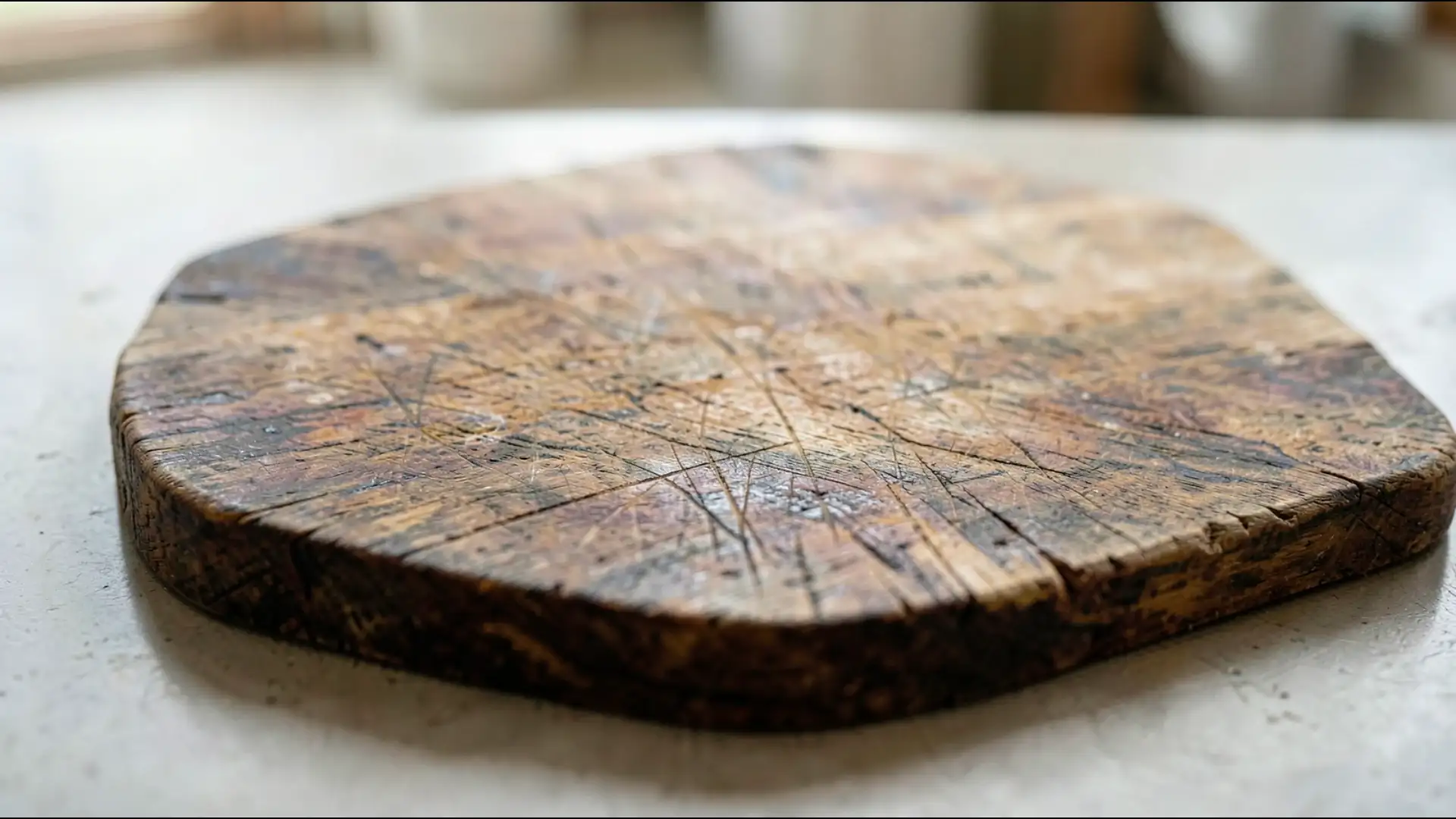
Good maintenance does not require complicated products. Prompt washing, thorough drying and occasional surface care can help keep the board in usable condition. It is equally important to follow sensible food hygiene practices, particularly when the same board is used for different ingredients.
Avoid leaving the board submerged in a sink or soaking it in water. Prolonged exposure to moisture can cause wood to swell, warp or develop cracks. Do not put an ordinary wooden board in a dishwasher unless its manufacturer specifically states that it is suitable.
Allow the board to dry completely before putting it away. Keeping it near a source of intense heat, such as a hot oven or radiator, is not a good substitute for natural airflow and may contribute to cracking.
A cut lemon can also be rubbed gently over the surface to freshen it, followed by a thorough rinse and complete drying. These methods do not replace proper washing, and strong odours caused by trapped food or damage may require the board to be replaced.
Use separate boards for raw animal products and ready-to-eat foods to reduce cross-contamination. Replace a board if it develops deep cracks, persistent stains, mould or grooves that cannot be cleaned properly.
A wooden cutting board lasts longer when it is washed promptly, dried on all sides and stored in a ventilated place. These straightforward habits support kitchen hygiene while helping protect the board from unnecessary damage.
Good maintenance does not require complicated products. Prompt washing, thorough drying and occasional surface care can help keep the board in usable condition. It is equally important to follow sensible food hygiene practices, particularly when the same board is used for different ingredients.
Wash it soon after use
After preparing food, scrape away leftover pieces and rinse the board with warm water. Use a small amount of washing-up liquid and a clean sponge or brush to scrub both sides, including the edges. Pay attention to grooves where food residue can collect.Avoid leaving the board submerged in a sink or soaking it in water. Prolonged exposure to moisture can cause wood to swell, warp or develop cracks. Do not put an ordinary wooden board in a dishwasher unless its manufacturer specifically states that it is suitable.
Dry it thoroughly
Wipe the board with a clean towel after washing. Stand it upright or place it in a rack so that air can circulate around both sides. Do not store it flat while it is still damp, particularly inside a closed cupboard.You may also like
- Who is Dave Obelkevich? Meet the 83-year-old runner, set to complete his 50th NYC Marathon on the race's 50th anniversary
- LPG Demand in the Country Drops by 12%, While Demand for Petrol and Diesel Rise
- SBI's excellent FD schemes: Invest once and receive a fixed monthly income..
- A major gift from EPFO: Now get full updates on your PF account via a single WhatsApp message—learn the process here..
- SIP calculator: With this calculation, a SIP of 10,000 will create an additional fund of over 9 lakhs for you..
Allow the board to dry completely before putting it away. Keeping it near a source of intense heat, such as a hot oven or radiator, is not a good substitute for natural airflow and may contribute to cracking.
Deal with lingering smells
Strong-smelling ingredients such as garlic and onions can leave an odour on a wooden surface. For routine cleaning, wash the board promptly and dry it thoroughly. If the smell remains, a light rub with coarse salt followed by a rinse may help remove surface residue.A cut lemon can also be rubbed gently over the surface to freshen it, followed by a thorough rinse and complete drying. These methods do not replace proper washing, and strong odours caused by trapped food or damage may require the board to be replaced.
Maintain the surface
When the wood begins to look dry, a food-safe mineral oil intended for cutting boards can help condition the surface. Apply it according to the product instructions and allow it to absorb before using the board again. Avoid ordinary cooking oils that can become rancid over time.Use separate boards for raw animal products and ready-to-eat foods to reduce cross-contamination. Replace a board if it develops deep cracks, persistent stains, mould or grooves that cannot be cleaned properly.
A wooden cutting board lasts longer when it is washed promptly, dried on all sides and stored in a ventilated place. These straightforward habits support kitchen hygiene while helping protect the board from unnecessary damage.






Loving Newspoint? Download the app now
