
How to Detect Adulterated Bakery Cream Before It Affects Your Health

Cream is one of the most important ingredients used in cakes, pastries and other bakery treats. It adds richness, smoothness and flavour while improving the appearance of desserts. However, not all bakery cream sold or used is of good quality. In some cases, low-grade ingredients, excessive artificial additives or expired cream may be used to reduce production costs. Consuming such products may affect both taste and health. While laboratory testing is the only reliable way to confirm adulteration, there are several warning signs that can help consumers identify bakery cream that may be of poor quality and make informed purchasing decisions.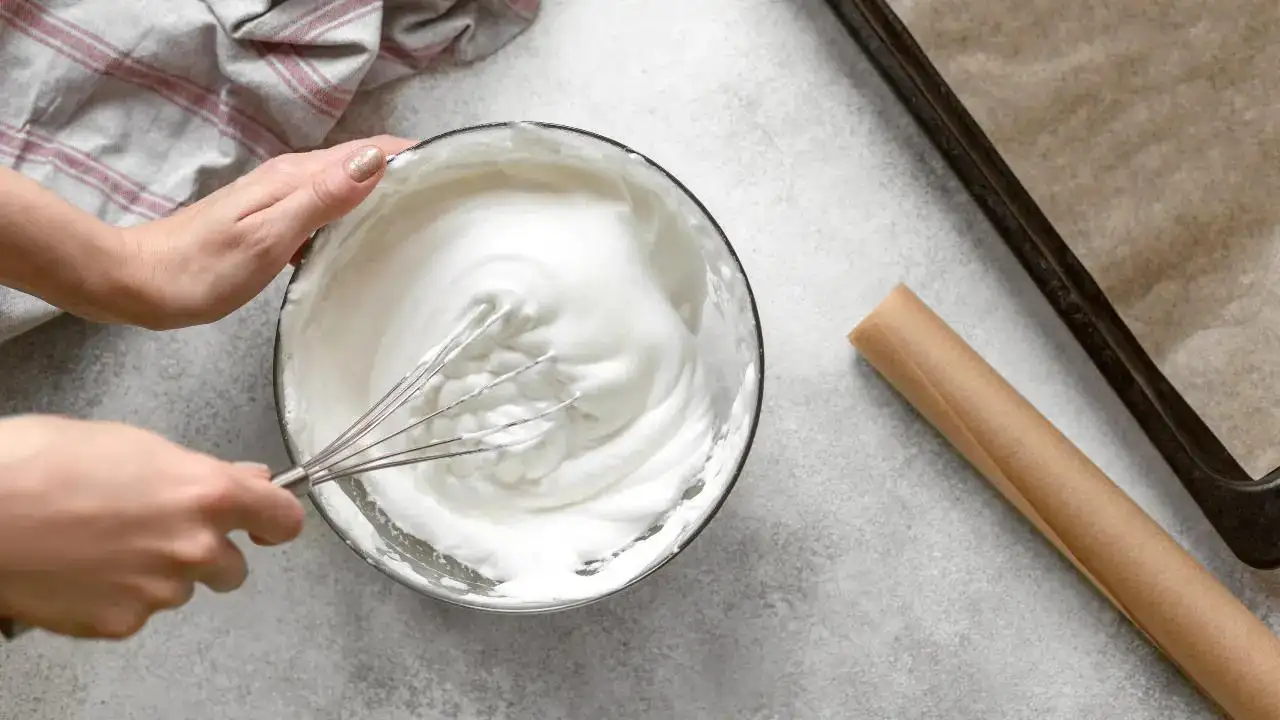
Cream that looks separated, watery or grainy should also be avoided, as these may indicate poor quality, improper storage or spoilage.
Similarly, if the cream tastes overly sweet, leaves a greasy coating in the mouth or has an artificial aftertaste, it may not be made from high-quality ingredients.
Check the Colour and Appearance
Fresh bakery cream usually has a natural white or light cream colour with a smooth texture. If the cream appears unusually bright white, excessively glossy or has an artificial-looking colour, it may contain added colouring agents or other non-standard ingredients.Cream that looks separated, watery or grainy should also be avoided, as these may indicate poor quality, improper storage or spoilage.
Observe the Smell and Taste
Good-quality cream has a mild, fresh dairy aroma. A sour, chemical or unusually strong smell can suggest that the cream has deteriorated or contains excessive flavouring.Similarly, if the cream tastes overly sweet, leaves a greasy coating in the mouth or has an artificial aftertaste, it may not be made from high-quality ingredients.
Next Story