
How To Detect Adulterated Candy At Home Before It Reaches Your Child’s Plate

Bright wrappers, flashy colours and tempting flavours make candy hard to resist, especially for children. But not every sweet on the shelf deserves a place in the shopping basket. Adulterated candy may contain poor-quality ingredients, excessive colour, contamination or misleading labelling, all of which can raise food safety concerns. While laboratory testing is the only way to confirm certain forms of adulteration, everyday buyers can still spot warning signs before purchase. A careful look at the label, colour, texture and packaging often reveals whether a product appears trustworthy. If you regularly buy sweets for your family, learning how to detect adulterated candy is a practical step towards safer eating and smarter shopping.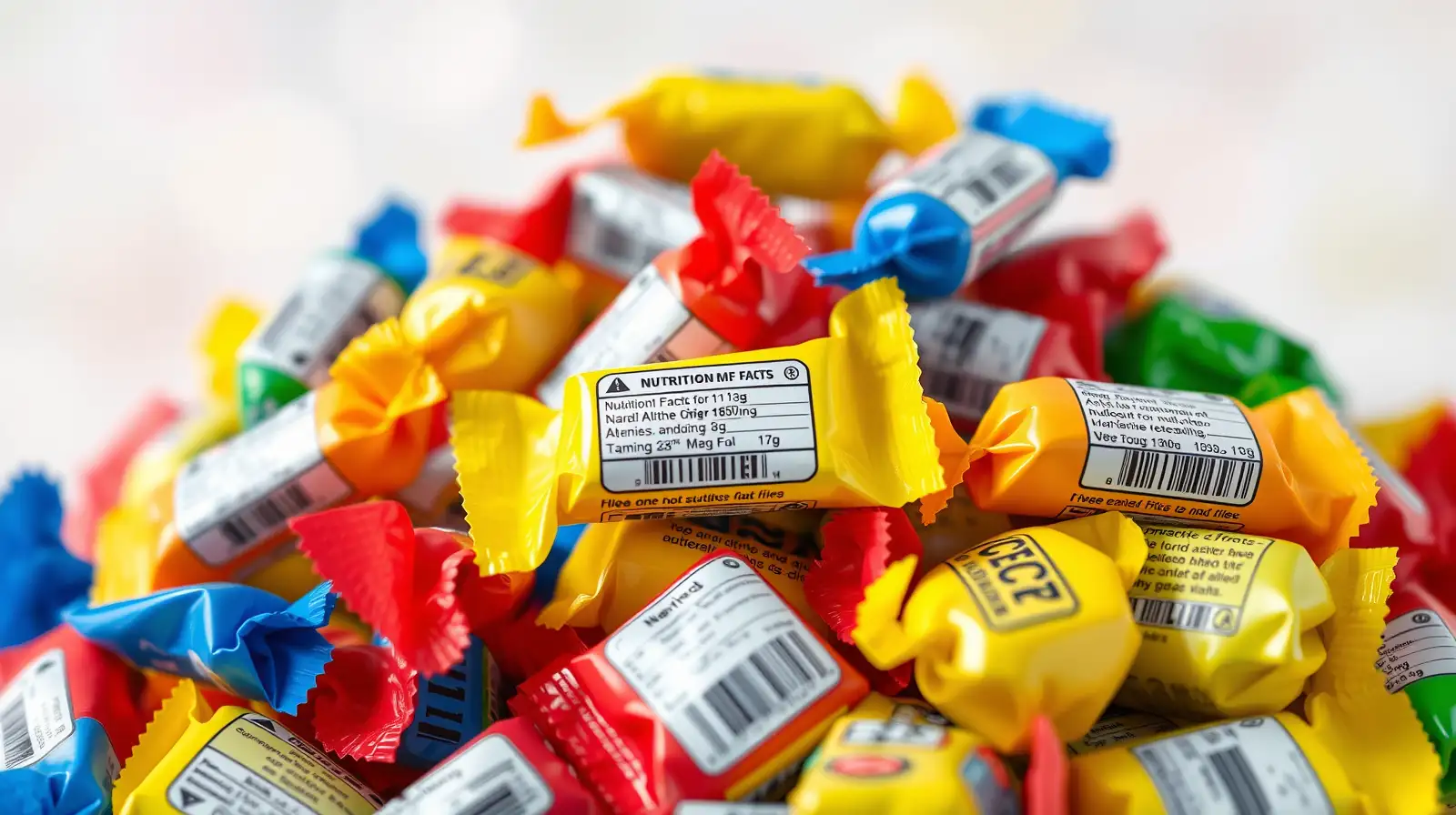
This matters because incomplete or suspicious labelling can be a warning sign. If the candy claims unusual flavours or colours but gives very little ingredient information, that should make you cautious. When buying packaged sweets, clear labelling is one of the easiest candy safety tips to follow.
This does not mean every bright sweet is unsafe, but if a candy looks unnaturally fluorescent or stains the tongue and hands too easily, it is worth avoiding. When thinking about food adulteration signs , colour is often one of the first clues consumers notice.
Start With The Label And Packaging
The first thing to check is the packaging. If the wrapper looks damaged, poorly sealed, faded or tampered with, it is best to avoid the product. A reliable pack should clearly mention the product name, ingredient list, batch number, manufacturing date, best-before date and manufacturer details.This matters because incomplete or suspicious labelling can be a warning sign. If the candy claims unusual flavours or colours but gives very little ingredient information, that should make you cautious. When buying packaged sweets, clear labelling is one of the easiest candy safety tips to follow.
Watch Out For Unnaturally Bright Colours
Candy is colourful by nature, but extremely loud, artificial-looking shades can be a red flag, especially when the product looks heavily coated or leaves visible colour on your fingers. In some cases, excessive colouring may suggest poor-quality formulation or the use of more colour than expected.This does not mean every bright sweet is unsafe, but if a candy looks unnaturally fluorescent or stains the tongue and hands too easily, it is worth avoiding. When thinking about food adulteration signs , colour is often one of the first clues consumers notice.
Next Story