
How To Detect Adulterated Dry Fruits Before They Reach Your Kitchen

Dry fruits are widely valued for their taste, convenience and nutritional benefits, but not every packet on the shelf may meet the same quality standards. Adulteration can sometimes involve artificial colouring, excessive polishing, poor-quality ingredients or improper storage. For consumers, the challenge is that some products can appear attractive precisely because of these treatments. According to experts, buyers should look beyond appearance and pay attention to colour, texture, smell and how the product behaves when washed or soaked. A few simple checks can help identify warning signs before questionable dry fruits become part of your daily diet.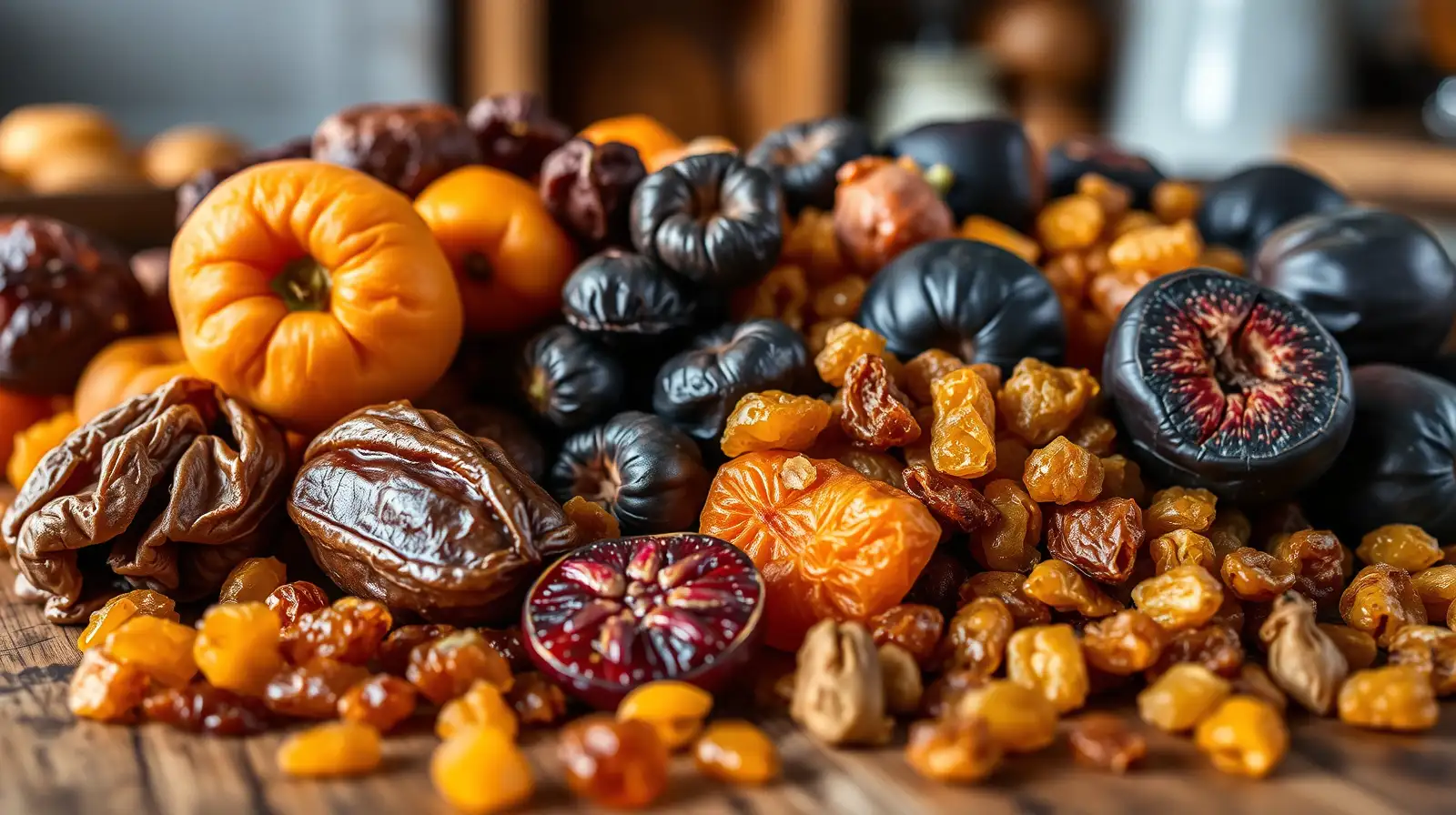
One of the easiest ways to detect adulterated dry fruits is to examine their appearance carefully. Dry fruits that look unnaturally bright, unusually uniform or excessively glossy may deserve closer inspection. Natural products often have slight variations in colour and texture, while an overly polished appearance can sometimes indicate artificial treatment.
This does not mean every shiny dry fruit is adulterated. Industry watchers note that some products may be processed or polished for commercial reasons. However, an unusually artificial appearance should encourage consumers to check the product more carefully.
Texture can also provide useful clues. Dry fruits that feel excessively sticky, unusually soft or damp despite being sold as dry may not have been stored properly. On the other hand, extremely hard or brittle pieces could indicate excessive drying or ageing. When learning how to check dry fruits purity , these basic sensory checks are among the simplest steps.
Some dry fruits can also be soaked briefly. Noticeable colour bleeding, an unusual smell or a strange residue may indicate possible treatment. These checks are not laboratory tests, but they can help identify suspicious products.
According to food safety experts, consumers should also avoid buying products that look suspiciously cheap compared with similar items. Proper storage at home matters too, as moisture and heat can affect quality even when the product was originally safe. If the colour, smell or taste seems unusual, it is better not to consume the dry fruits.
One of the easiest ways to detect adulterated dry fruits is to examine their appearance carefully. Dry fruits that look unnaturally bright, unusually uniform or excessively glossy may deserve closer inspection. Natural products often have slight variations in colour and texture, while an overly polished appearance can sometimes indicate artificial treatment.
This does not mean every shiny dry fruit is adulterated. Industry watchers note that some products may be processed or polished for commercial reasons. However, an unusually artificial appearance should encourage consumers to check the product more carefully.
You may also like
- Amazon river dolphin: The pink mammal that inspired centuries of myths and legends
- Understanding Seizures in Babies: Causes and Different Types
- Property News: Find out when children cannot claim their father's property; a must-read High Court ruling
- Ration Card: How to get a ration card after separating from your family? Learn the easy way to get a new one.
- High-Paying Career: Want to earn big abroad? Enroll in these courses today.
Check The Smell And Texture
Fresh, good-quality dry fruits generally have a mild, natural aroma. A strong chemical smell, unusual fragrance or rancid odour may indicate poor quality, contamination or improper storage.Texture can also provide useful clues. Dry fruits that feel excessively sticky, unusually soft or damp despite being sold as dry may not have been stored properly. On the other hand, extremely hard or brittle pieces could indicate excessive drying or ageing. When learning how to check dry fruits purity , these basic sensory checks are among the simplest steps.
Try A Simple Home Check
A small amount can be washed with clean water to see whether any unusual colour comes off. If the water develops a strong, unnatural colour, experts suggest treating it as a warning sign and avoiding the product until its quality is verified.Some dry fruits can also be soaked briefly. Noticeable colour bleeding, an unusual smell or a strange residue may indicate possible treatment. These checks are not laboratory tests, but they can help identify suspicious products.
Buy Carefully And Store Them Properly
The best way to reduce the risk of buying adulterated dry fruits is to choose sealed, properly labelled packs from reliable sellers. Check the packaging, manufacturing details, expiry information and storage instructions before making a purchase.According to food safety experts, consumers should also avoid buying products that look suspiciously cheap compared with similar items. Proper storage at home matters too, as moisture and heat can affect quality even when the product was originally safe. If the colour, smell or taste seems unusual, it is better not to consume the dry fruits.






Loving Newspoint? Download the app now
