
How To Detect Adulterated Dry Fruits Before They Reach Your Kitchen

Dry fruits are widely valued for their taste, convenience and nutritional benefits, but not every packet on the shelf may meet the same quality standards. Adulteration can sometimes involve artificial colouring, excessive polishing, poor-quality ingredients or improper storage. For consumers, the challenge is that some products can appear attractive precisely because of these treatments. According to experts, buyers should look beyond appearance and pay attention to colour, texture, smell and how the product behaves when washed or soaked. A few simple checks can help identify warning signs before questionable dry fruits become part of your daily diet.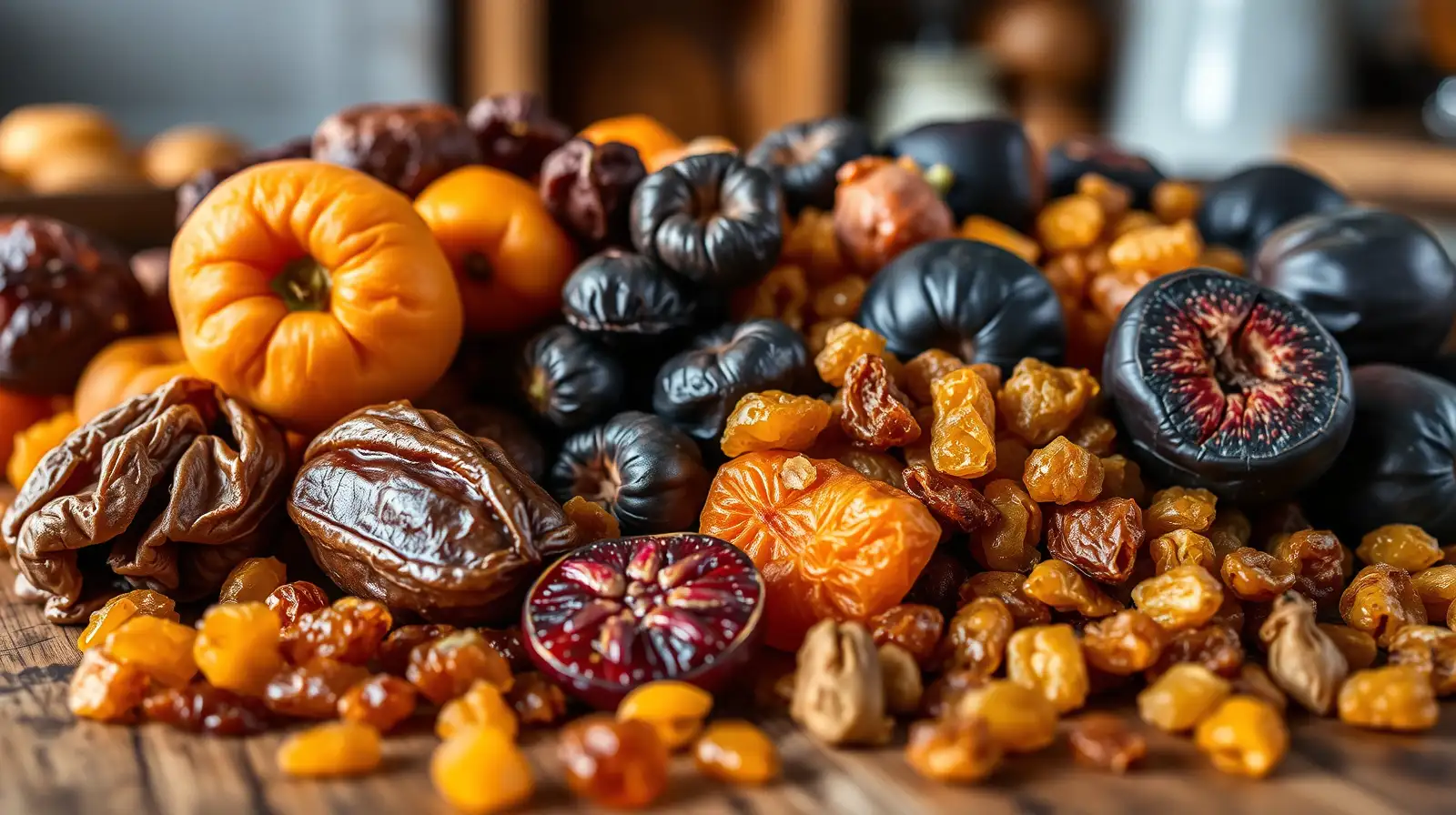
One of the easiest ways to detect adulterated dry fruits is to examine their appearance carefully. Dry fruits that look unnaturally bright, unusually uniform or excessively glossy may deserve closer inspection. Natural products often have slight variations in colour and texture, while an overly polished appearance can sometimes indicate artificial treatment.
This does not mean every shiny dry fruit is adulterated. Industry watchers note that some products may be processed or polished for commercial reasons. However, an unusually artificial appearance should encourage consumers to check the product more carefully.
One of the easiest ways to detect adulterated dry fruits is to examine their appearance carefully. Dry fruits that look unnaturally bright, unusually uniform or excessively glossy may deserve closer inspection. Natural products often have slight variations in colour and texture, while an overly polished appearance can sometimes indicate artificial treatment.
This does not mean every shiny dry fruit is adulterated. Industry watchers note that some products may be processed or polished for commercial reasons. However, an unusually artificial appearance should encourage consumers to check the product more carefully.
Next Story