
How To Detect Artificial Colour In Watermelon With A Simple Cotton Ball Test

With rising temperatures, watermelon is one of the most popular summer fruits thanks to its refreshing taste and high water content. However, concerns around food adulteration have made many people more careful while buying fruits. A simple Watermelon Safety Check at home can help you identify whether the fruit contains artificial colouring. Experts and food safety authorities suggest using an easy cotton ball test to detect possible synthetic dyes added to enhance the fruit’s red appearance.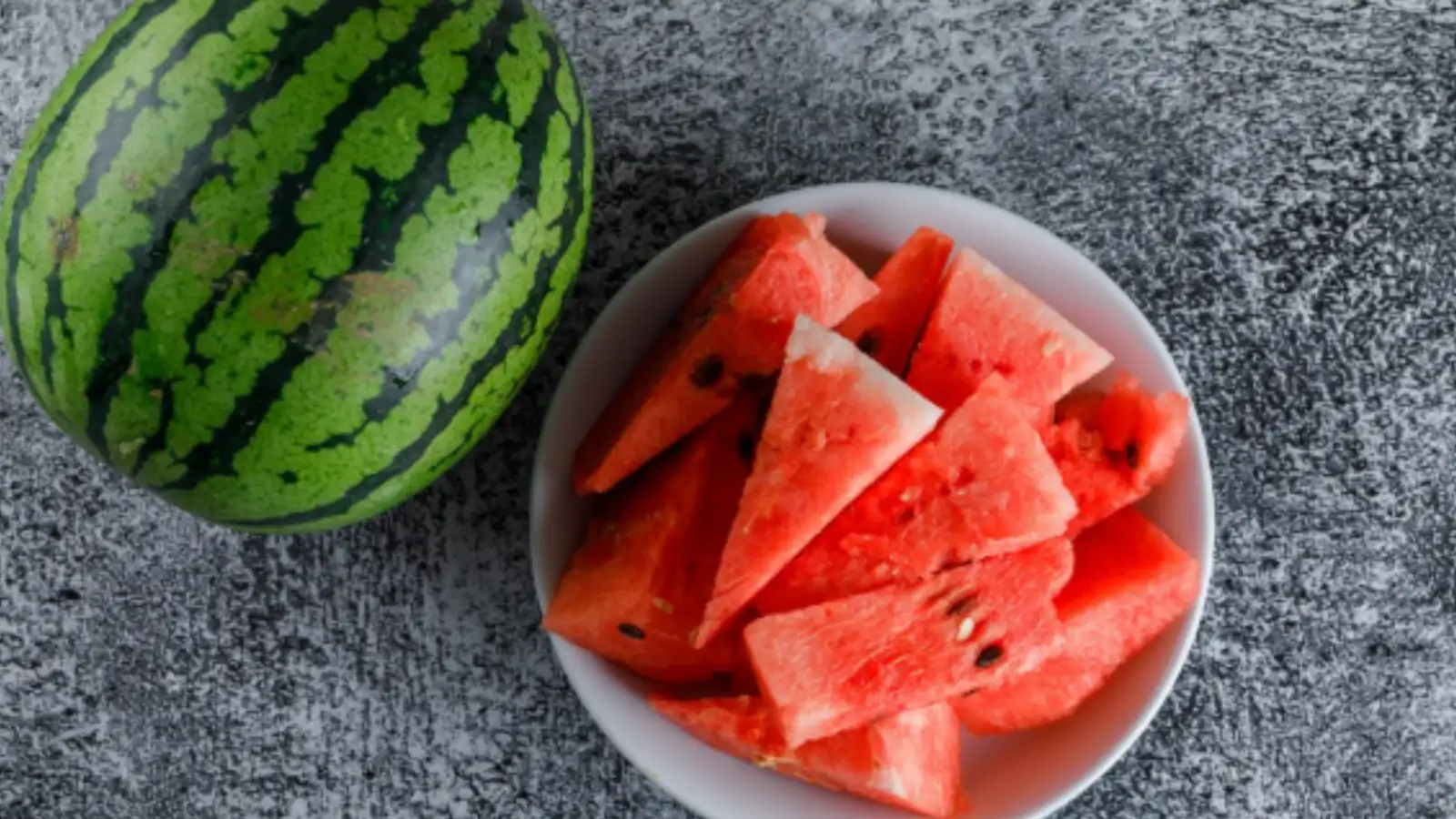
Why Artificial Colour Is Added To Watermelons
Some sellers may use synthetic dyes like erythrosine to make watermelons appear brighter, fresher and more visually appealing. While naturally ripe watermelons have a rich pinkish-red colour, an unusually bright and uniform red shade can sometimes indicate tampering.
Artificial colouring is often used to attract buyers, especially during peak summer demand when consumers look for juicy and fresh fruits.
How To Perform The Cotton Ball Watermelon Test At Home
You can easily perform this simple test within minutes using basic household items.
Step 1: Cut The Watermelon
Slice the watermelon into two halves so the inner red pulp is fully visible. Carefully observe the colour and texture of the fruit. If the flesh looks excessively bright, glossy or unnatural, it may be worth testing further.
Step 2: Take A Clean White Cotton Ball
Use a dry and clean white cotton ball or cotton pad. Avoid coloured or damp cotton, as it may affect the results of the test.
Step 3: Rub The Cotton On The Fruit
Gently rub the cotton ball several times over the red flesh of the watermelon. Focus on the central pulp where the colour appears strongest.
Step 4: Check For Colour Transfer
Observe the cotton carefully after rubbing it on the fruit.
Health Risks Of Artificially Coloured Fruits
Consuming fruits treated with unauthorized colours or chemicals may lead to several health issues. Some commonly reported symptoms include:
Repeated exposure to harmful additives over a long period may also increase health risks, making it important to choose naturally ripened fruits whenever possible.
Tips To Choose A Naturally Ripe Watermelon
Apart from the cotton-ball test, these simple tricks can help you pick a fresh and naturally ripened watermelon:
Look For A Creamy Yellow Spot
A creamy yellow patch on the outer surface indicates the watermelon ripened naturally on the vine.
Pick A Heavy Watermelon
A ripe watermelon usually feels heavier for its size because of its high water content.
Tap The Fruit Gently
A naturally ripe watermelon often produces a hollow sound when tapped lightly.
Avoid Damaged Fruits
Do not buy watermelons with cuts, dents, bruises or soft spots, as these may indicate spoilage or contamination.
Simple Food Safety Habits Can Protect Your Health
Being aware of food adulteration and performing quick home checks can help you make safer choices for your family. This easy watermelon safety check using a cotton ball is a simple way to identify possible artificial colouring and enjoy your summer fruit with greater confidence.
Why Artificial Colour Is Added To Watermelons
Some sellers may use synthetic dyes like erythrosine to make watermelons appear brighter, fresher and more visually appealing. While naturally ripe watermelons have a rich pinkish-red colour, an unusually bright and uniform red shade can sometimes indicate tampering.
Artificial colouring is often used to attract buyers, especially during peak summer demand when consumers look for juicy and fresh fruits.
How To Perform The Cotton Ball Watermelon Test At Home
You can easily perform this simple test within minutes using basic household items.
Step 1: Cut The Watermelon
Slice the watermelon into two halves so the inner red pulp is fully visible. Carefully observe the colour and texture of the fruit. If the flesh looks excessively bright, glossy or unnatural, it may be worth testing further.
Step 2: Take A Clean White Cotton Ball
Use a dry and clean white cotton ball or cotton pad. Avoid coloured or damp cotton, as it may affect the results of the test.
Step 3: Rub The Cotton On The Fruit
Gently rub the cotton ball several times over the red flesh of the watermelon. Focus on the central pulp where the colour appears strongest.
Step 4: Check For Colour Transfer
Observe the cotton carefully after rubbing it on the fruit.
- If the cotton remains white, the watermelon is less likely to contain added artificial colour.
- If the cotton turns pink or red, it may indicate the presence of synthetic dye or artificial colouring agents.
Health Risks Of Artificially Coloured Fruits
Consuming fruits treated with unauthorized colours or chemicals may lead to several health issues. Some commonly reported symptoms include:
- Nausea
- Vomiting
- Stomach discomfort
- Diarrhoea
- Loss of appetite
Repeated exposure to harmful additives over a long period may also increase health risks, making it important to choose naturally ripened fruits whenever possible.
Tips To Choose A Naturally Ripe Watermelon
Apart from the cotton-ball test, these simple tricks can help you pick a fresh and naturally ripened watermelon:
Look For A Creamy Yellow Spot
A creamy yellow patch on the outer surface indicates the watermelon ripened naturally on the vine. Pick A Heavy Watermelon
A ripe watermelon usually feels heavier for its size because of its high water content. Tap The Fruit Gently
A naturally ripe watermelon often produces a hollow sound when tapped lightly.Avoid Damaged Fruits
Do not buy watermelons with cuts, dents, bruises or soft spots, as these may indicate spoilage or contamination. Simple Food Safety Habits Can Protect Your Health
Being aware of food adulteration and performing quick home checks can help you make safer choices for your family. This easy watermelon safety check using a cotton ball is a simple way to identify possible artificial colouring and enjoy your summer fruit with greater confidence.
Next Story