
Worried About Fake Besan? Try These Simple Ways To Check Gram Flour Before Using It

Gram flour, commonly known as besan, is a staple ingredient in many kitchens and is widely used in snacks, sweets and everyday cooking. Its popularity also makes it vulnerable to adulteration, with inferior ingredients sometimes mixed in to reduce production costs. According to food safety experts, consumers can lower this risk by paying close attention to the product's appearance, texture and packaging before buying. While laboratory testing is the most reliable way to confirm purity, a few simple observations at home may help identify suspicious products and encourage more informed purchasing decisions.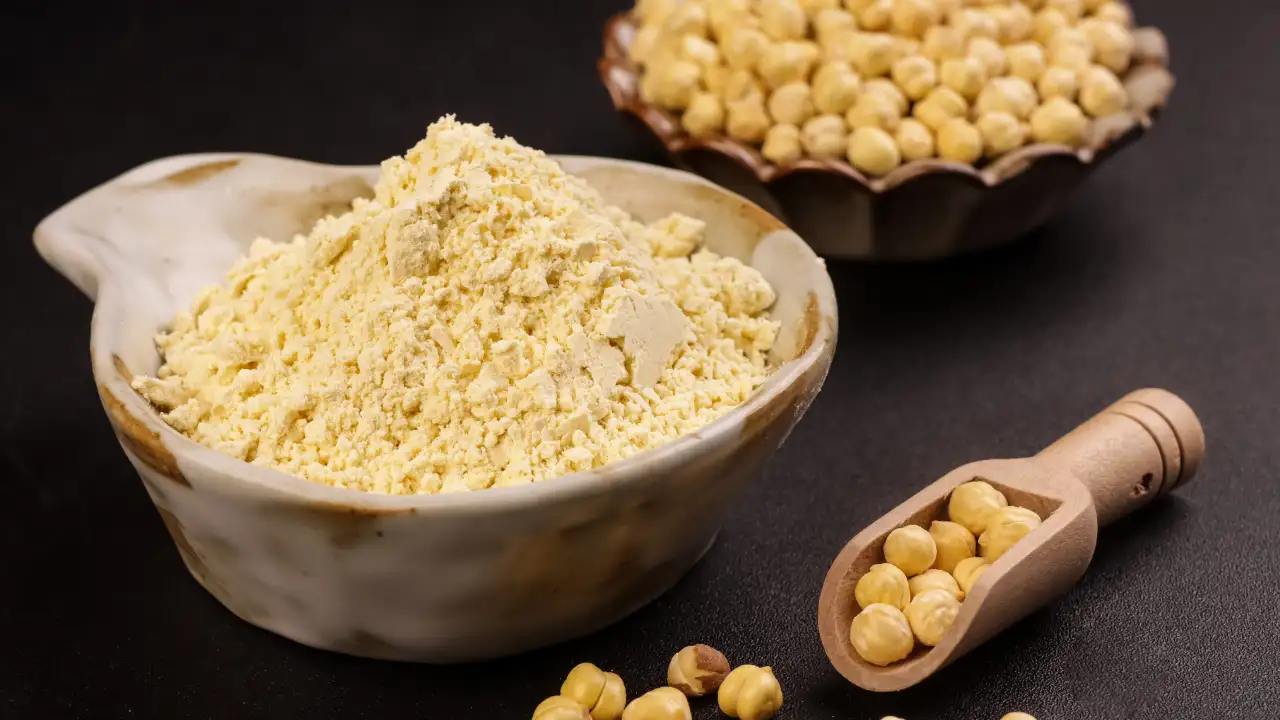
Experts note that colour alone cannot confirm adulteration, but noticeable differences from the besan you usually purchase could be a sign to inspect it more carefully.
Although smell is not a definitive test, food safety professionals suggest avoiding products that have an unusual odour, especially if the packaging appears damaged.
Examine The Colour And Texture
Pure gram flour generally has a natural pale yellow shade with a smooth, fine texture. If the flour appears unusually bright yellow, excessively dull or contains visible coarse particles, it may deserve closer attention.Experts note that colour alone cannot confirm adulteration, but noticeable differences from the besan you usually purchase could be a sign to inspect it more carefully.
Check The Aroma
Fresh besan has a mild, nutty aroma that becomes more noticeable when cooked. A stale, musty or chemical-like smell may indicate poor storage or possible contamination.Although smell is not a definitive test, food safety professionals suggest avoiding products that have an unusual odour, especially if the packaging appears damaged.
Next Story