
How to Detect Fake Ice Cream Flavours Before You Buy Your Next Frozen Treat

A scoop of ice cream is often associated with indulgence, whether it is classic vanilla, rich chocolate or refreshing fruit flavours. However, according to food safety experts, not every flavoured ice cream on the market contains genuine flavouring ingredients. Some products rely heavily on synthetic flavouring agents or misleading labelling to imitate natural flavours. While artificial flavourings are legally permitted when declared correctly, consumers should be able to distinguish between authentic flavour profiles and products that may use deceptive claims. Understanding a few simple indicators can help you make better purchasing decisions and enjoy higher-quality frozen desserts.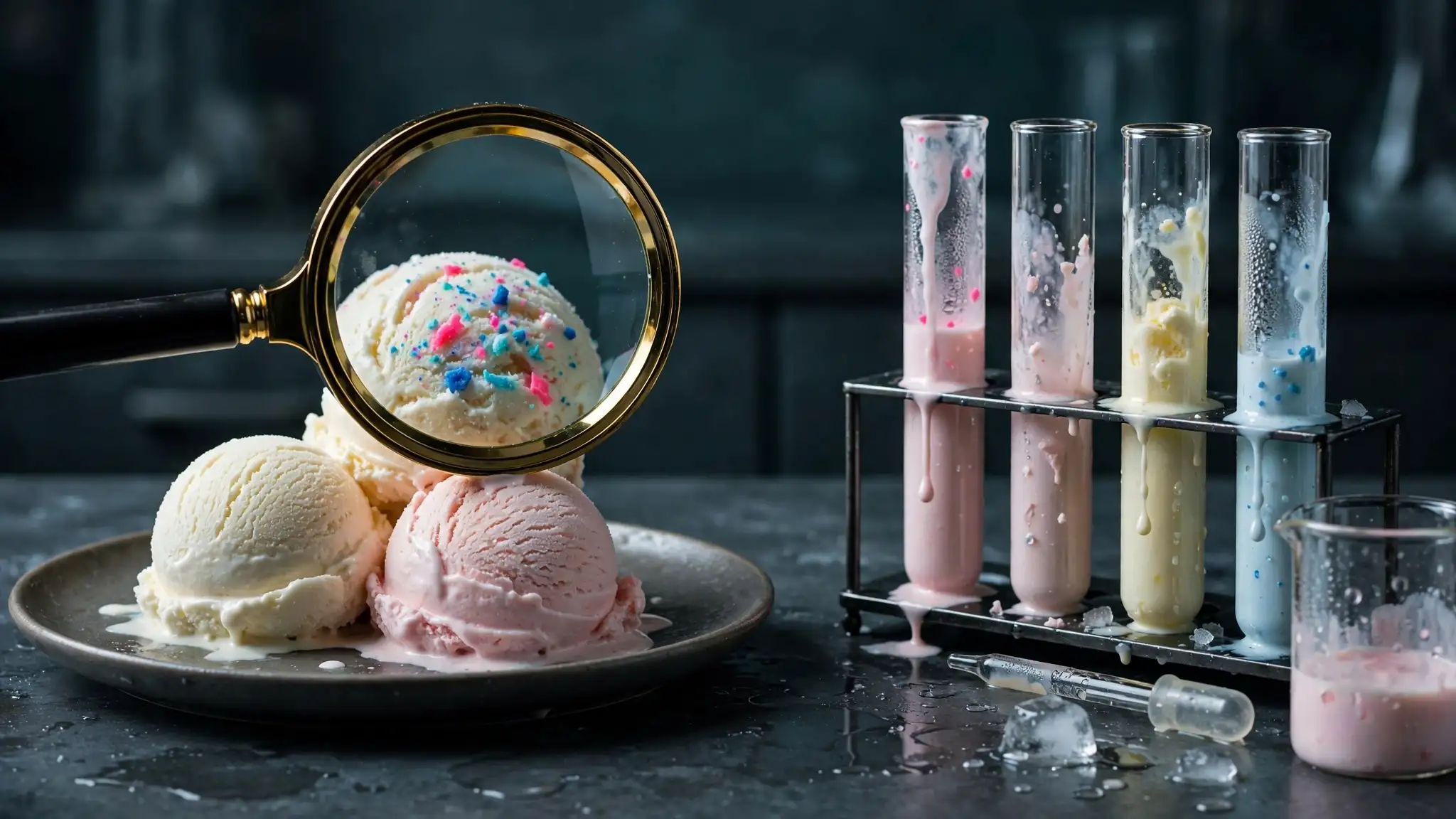
Experts recommend paying attention to descriptive terms such as "vanilla-flavoured" rather than "vanilla ice cream", as the wording may indicate that the taste comes mainly from added flavourings rather than the actual ingredient.
According to food industry specialists, an overpowering aroma that seems chemical-like rather than natural may indicate heavy reliance on artificial flavouring.
Although permitted colours are commonly used in the food industry, experts suggest that unusually vivid shades should encourage consumers to read the label more carefully before making assumptions about the ingredients.
Products sold without proper labelling or under unknown brand names should be approached cautiously, particularly if they make exaggerated claims about using natural ingredients.
Food safety experts advise keeping ice cream frozen at the recommended temperature and avoiding products that appear partially melted or contain ice crystals.
Image Courtesy: Meta AI
Read the Label Closely
The ingredient list is the first place to look. Products made with natural flavouring generally state this clearly, while others may mention " artificial flavouring substances" or "nature-identical flavouring".Experts recommend paying attention to descriptive terms such as "vanilla-flavoured" rather than "vanilla ice cream", as the wording may indicate that the taste comes mainly from added flavourings rather than the actual ingredient.
Examine the Aroma and Taste
Genuine flavours usually develop gradually and leave a balanced aftertaste. By contrast, fake or overly synthetic flavours can smell excessively strong and taste unusually sharp or lingering.According to food industry specialists, an overpowering aroma that seems chemical-like rather than natural may indicate heavy reliance on artificial flavouring.
You may also like
- Rajshri Deshpande-led Baapya heads Marathi line-up at IFFM | EXCLUSIVE
- Vande Bharat: What is the salary of a Vande Bharat loco pilot? Here is the recruitment process.
- Most tourists miss these incredible border villages; PM Modi wants young Indians to change that
- Monsoon skin and hair reset: Best beauty routine for the rainy season
- How to get a new electricity connection quickly using your Aadhaar card? Here is the complete process.
Observe the Colour
Bright, intense colours do not always mean better flavour. Natural ingredients often produce softer and more subtle shades, while excessively vibrant colours may come from added food colours.Although permitted colours are commonly used in the food industry, experts suggest that unusually vivid shades should encourage consumers to read the label more carefully before making assumptions about the ingredients.
Choose Trusted Brands and Retailers
Buying from established brands and reputable retailers reduces the chances of purchasing poor-quality products. Proper packaging, clear manufacturing details and valid expiry dates are all positive signs.Products sold without proper labelling or under unknown brand names should be approached cautiously, particularly if they make exaggerated claims about using natural ingredients.
Store Ice Cream Correctly
Even high-quality ice cream can lose its flavour if stored improperly. Repeated thawing and refreezing can alter both taste and texture, making it difficult to judge the product accurately.Food safety experts advise keeping ice cream frozen at the recommended temperature and avoiding products that appear partially melted or contain ice crystals.
Make an Informed Choice
No single sign can confirm whether an ice cream flavour is fake, but checking the ingredients, aroma, colour and packaging together offers a clearer picture. According to experts, informed consumers are more likely to choose products that deliver authentic flavour, better quality and greater confidence in what they eat.Image Courtesy: Meta AI






Loving Newspoint? Download the app now
