
How To Explore India’s Busy Cities With Kids: Practical Tips For A Stress-free Journey

Travelling with children in India’s busy cities can be an exciting yet challenging experience. From the colourful streets of Delhi to the vibrant markets of Mumbai, every corner of India offers something unique for families. However, the hustle and bustle, heavy traffic, and crowded public spaces can sometimes feel overwhelming. With the right planning and a few essential strategies, exploring India with kids can be both enjoyable and stress-free. Whether it is finding child-friendly attractions, ensuring their safety, or keeping them entertained, here are some valuable tips to make your journey through India’s busy cities a memorable adventure for the whole family.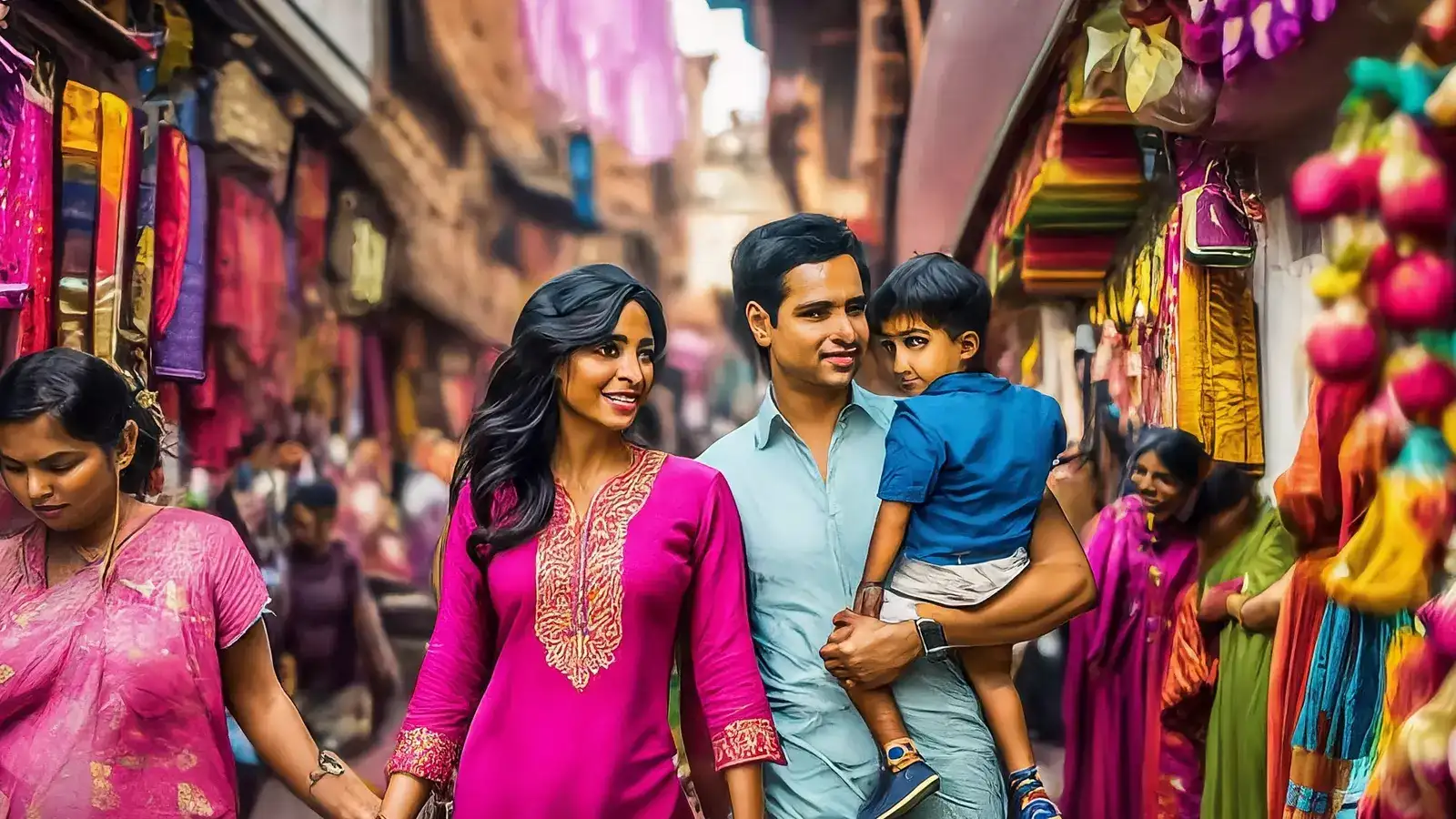
Choose Kid-Friendly Destinations and Attractions
India’s cities are filled with attractions that cater to families with children. When planning your trip, look for places that offer interactive experiences, open spaces, and educational opportunities. Parks, museums, zoos, and historical sites with engaging exhibits are great options. In Delhi, the National Rail Museum is a hit with kids who love trains, while Lodhi Gardens offers a peaceful retreat from the city's chaos. Mumbai’s KidZania is an indoor educational park where children can role-play different professions, making it both fun and informative. Bangalore’s Visvesvaraya Industrial and Technological Museum offers hands-on science exhibits that appeal to young minds. Choosing attractions that provide a mix of entertainment and learning ensures that children stay engaged throughout the trip.
Plan Around the Best Time of Day to Explore
India’s cities can be extremely crowded, especially during peak hours. When travelling with kids, it is best to explore attractions early in the morning or late in the afternoon when the heat and crowds are more manageable. Visiting markets, temples, or historical sites during off-peak hours allows families to enjoy a more relaxed experience. It also helps to schedule regular breaks, especially for younger children, so they do not get overwhelmed by the fast-paced environment.
Prioritise Hygiene and Health
Maintaining hygiene while travelling in India is crucial, especially when exploring busy urban areas with children. Always carry hand sanitiser, wet wipes, and tissues, as public facilities may not always be well maintained. Encourage children to wash their hands frequently, especially before meals. It is advisable to stick to bottled or filtered water and avoid street food unless you are confident about its cleanliness. Opt for restaurants that serve freshly cooked meals and have good hygiene standards. Carrying a basic first-aid kit with medicines for common travel-related illnesses like upset stomachs or colds can also be helpful.
Use Safe and Reliable Transport Options
Getting around in India’s cities can be chaotic, with heavy traffic and a variety of transport options. When travelling with children, choosing the safest and most reliable transport is essential. Pre-booked taxis, app-based cab services like Uber and Ola, or private cars with drivers are generally safer and more convenient than auto-rickshaws or overcrowded public buses. If using the metro system in cities like Delhi or Bangalore, travel during non-peak hours to avoid large crowds. For short distances, walking can be a good option, but always be mindful of traffic and follow safety precautions when crossing roads.
Engage Children in the Culture and Local Experiences
Travelling in India offers a wonderful opportunity for children to experience different cultures, traditions, and lifestyles. Involve them in activities such as watching traditional dance performances, visiting markets to see artisans at work, or even trying their hand at basic cooking lessons. Encourage them to observe and ask questions about the unique things they see, from colourful festivals to the variety of food. This not only keeps them engaged but also helps them appreciate the diversity of India. Reading books or watching documentaries about India before the trip can also enhance their understanding and excitement.
Ensure Comfort and Adapt to the Environment
India’s climate and environment can be overwhelming for children, especially if they are not used to high temperatures, humidity, or pollution. Dressing them in light, breathable clothing and ensuring they stay hydrated is important. Carrying a hat, sunglasses, and sunscreen can protect them from the sun, while a light scarf or mask may be useful in cities with high pollution levels. If travelling during the monsoon season, having a raincoat or umbrella handy can make outdoor excursions easier. Allowing children to take breaks in air-conditioned spaces like cafés or malls can help them recharge and stay comfortable throughout the day.
Keep Entertainment and Essentials Handy
Travelling through India’s busy cities often involves long car rides, waiting times, and unexpected delays. Keeping children entertained with books, colouring materials, small toys, or downloaded shows on a tablet can help prevent boredom. Snacks such as biscuits, fruits, or nuts should always be on hand, as finding kid-friendly food options on the go may not always be easy. Having a daypack with all essentials, including extra clothes, wipes, and a bottle of water, ensures that parents are prepared for any situation.
Teach Kids Basic Safety and Awareness
In crowded places like markets, railway stations, and tourist spots, it is important to keep an eye on children and teach them basic safety rules. Dressing them in bright or easily recognisable clothing can help parents spot them quickly. Setting up a meeting point in case anyone gets separated, ensuring they know their parents' phone numbers, and teaching them to approach a police officer or shopkeeper for help can be useful precautions. Some parents find it helpful to use wristbands with emergency contact details for younger children.
Travelling with kids in India’s busy cities may require extra planning, but it is a rewarding experience that creates lasting memories. By choosing family-friendly attractions, prioritising safety and hygiene, and ensuring comfort throughout the trip, parents can make the journey enjoyable for both themselves and their children. Exploring India’s vibrant culture, engaging in unique activities, and allowing children to experience the country’s diversity firsthand makes for an enriching and exciting adventure. With the right approach, a trip to India’s lively urban centres can be both fun and stress-free for the whole family.
Choose Kid-Friendly Destinations and Attractions
India’s cities are filled with attractions that cater to families with children. When planning your trip, look for places that offer interactive experiences, open spaces, and educational opportunities. Parks, museums, zoos, and historical sites with engaging exhibits are great options. In Delhi, the National Rail Museum is a hit with kids who love trains, while Lodhi Gardens offers a peaceful retreat from the city's chaos. Mumbai’s KidZania is an indoor educational park where children can role-play different professions, making it both fun and informative. Bangalore’s Visvesvaraya Industrial and Technological Museum offers hands-on science exhibits that appeal to young minds. Choosing attractions that provide a mix of entertainment and learning ensures that children stay engaged throughout the trip.
Plan Around the Best Time of Day to Explore
India’s cities can be extremely crowded, especially during peak hours. When travelling with kids, it is best to explore attractions early in the morning or late in the afternoon when the heat and crowds are more manageable. Visiting markets, temples, or historical sites during off-peak hours allows families to enjoy a more relaxed experience. It also helps to schedule regular breaks, especially for younger children, so they do not get overwhelmed by the fast-paced environment.
Prioritise Hygiene and Health
Maintaining hygiene while travelling in India is crucial, especially when exploring busy urban areas with children. Always carry hand sanitiser, wet wipes, and tissues, as public facilities may not always be well maintained. Encourage children to wash their hands frequently, especially before meals. It is advisable to stick to bottled or filtered water and avoid street food unless you are confident about its cleanliness. Opt for restaurants that serve freshly cooked meals and have good hygiene standards. Carrying a basic first-aid kit with medicines for common travel-related illnesses like upset stomachs or colds can also be helpful.
Use Safe and Reliable Transport Options
Getting around in India’s cities can be chaotic, with heavy traffic and a variety of transport options. When travelling with children, choosing the safest and most reliable transport is essential. Pre-booked taxis, app-based cab services like Uber and Ola, or private cars with drivers are generally safer and more convenient than auto-rickshaws or overcrowded public buses. If using the metro system in cities like Delhi or Bangalore, travel during non-peak hours to avoid large crowds. For short distances, walking can be a good option, but always be mindful of traffic and follow safety precautions when crossing roads.
You may also like
- The Path to Inner Wisdom Begins with True Education
- Quote of the Day by Pythagoras, "Do not go to bed until you have gone over the day three times in your mind. What wrong...."
- Pankaj Tripathi to be Honored as Artist of Distinction at IFFM 2026
- 5 Self-Care Tips for New Sleep-Deprived Moms
- Mature women rave about £15 foundation that's 'light' but gives 'flawless' skin
Engage Children in the Culture and Local Experiences
Travelling in India offers a wonderful opportunity for children to experience different cultures, traditions, and lifestyles. Involve them in activities such as watching traditional dance performances, visiting markets to see artisans at work, or even trying their hand at basic cooking lessons. Encourage them to observe and ask questions about the unique things they see, from colourful festivals to the variety of food. This not only keeps them engaged but also helps them appreciate the diversity of India. Reading books or watching documentaries about India before the trip can also enhance their understanding and excitement.
Ensure Comfort and Adapt to the Environment
India’s climate and environment can be overwhelming for children, especially if they are not used to high temperatures, humidity, or pollution. Dressing them in light, breathable clothing and ensuring they stay hydrated is important. Carrying a hat, sunglasses, and sunscreen can protect them from the sun, while a light scarf or mask may be useful in cities with high pollution levels. If travelling during the monsoon season, having a raincoat or umbrella handy can make outdoor excursions easier. Allowing children to take breaks in air-conditioned spaces like cafés or malls can help them recharge and stay comfortable throughout the day.
Keep Entertainment and Essentials Handy
Travelling through India’s busy cities often involves long car rides, waiting times, and unexpected delays. Keeping children entertained with books, colouring materials, small toys, or downloaded shows on a tablet can help prevent boredom. Snacks such as biscuits, fruits, or nuts should always be on hand, as finding kid-friendly food options on the go may not always be easy. Having a daypack with all essentials, including extra clothes, wipes, and a bottle of water, ensures that parents are prepared for any situation.
Teach Kids Basic Safety and Awareness
In crowded places like markets, railway stations, and tourist spots, it is important to keep an eye on children and teach them basic safety rules. Dressing them in bright or easily recognisable clothing can help parents spot them quickly. Setting up a meeting point in case anyone gets separated, ensuring they know their parents' phone numbers, and teaching them to approach a police officer or shopkeeper for help can be useful precautions. Some parents find it helpful to use wristbands with emergency contact details for younger children.
Travelling with kids in India’s busy cities may require extra planning, but it is a rewarding experience that creates lasting memories. By choosing family-friendly attractions, prioritising safety and hygiene, and ensuring comfort throughout the trip, parents can make the journey enjoyable for both themselves and their children. Exploring India’s vibrant culture, engaging in unique activities, and allowing children to experience the country’s diversity firsthand makes for an enriching and exciting adventure. With the right approach, a trip to India’s lively urban centres can be both fun and stress-free for the whole family.






Loving Newspoint? Download the app now
