
How To Find Real Local Food Experiences Without Paying Expensive Tourist Prices

Food often becomes one of the most memorable parts of travelling. From regional spices and traditional recipes to street snacks and family-run eateries, local cuisine offers a deeper understanding of a destination’s culture and lifestyle. However, many travellers mistakenly believe authentic food experiences always come with high prices. In reality, some of the best meals are often found in simple local restaurants, busy food markets, and small neighbourhood stalls rather than expensive tourist-focused dining spots. Learning how to identify genuine local food while staying within budget can help travellers enjoy richer experiences without putting unnecessary pressure on their travel expenses.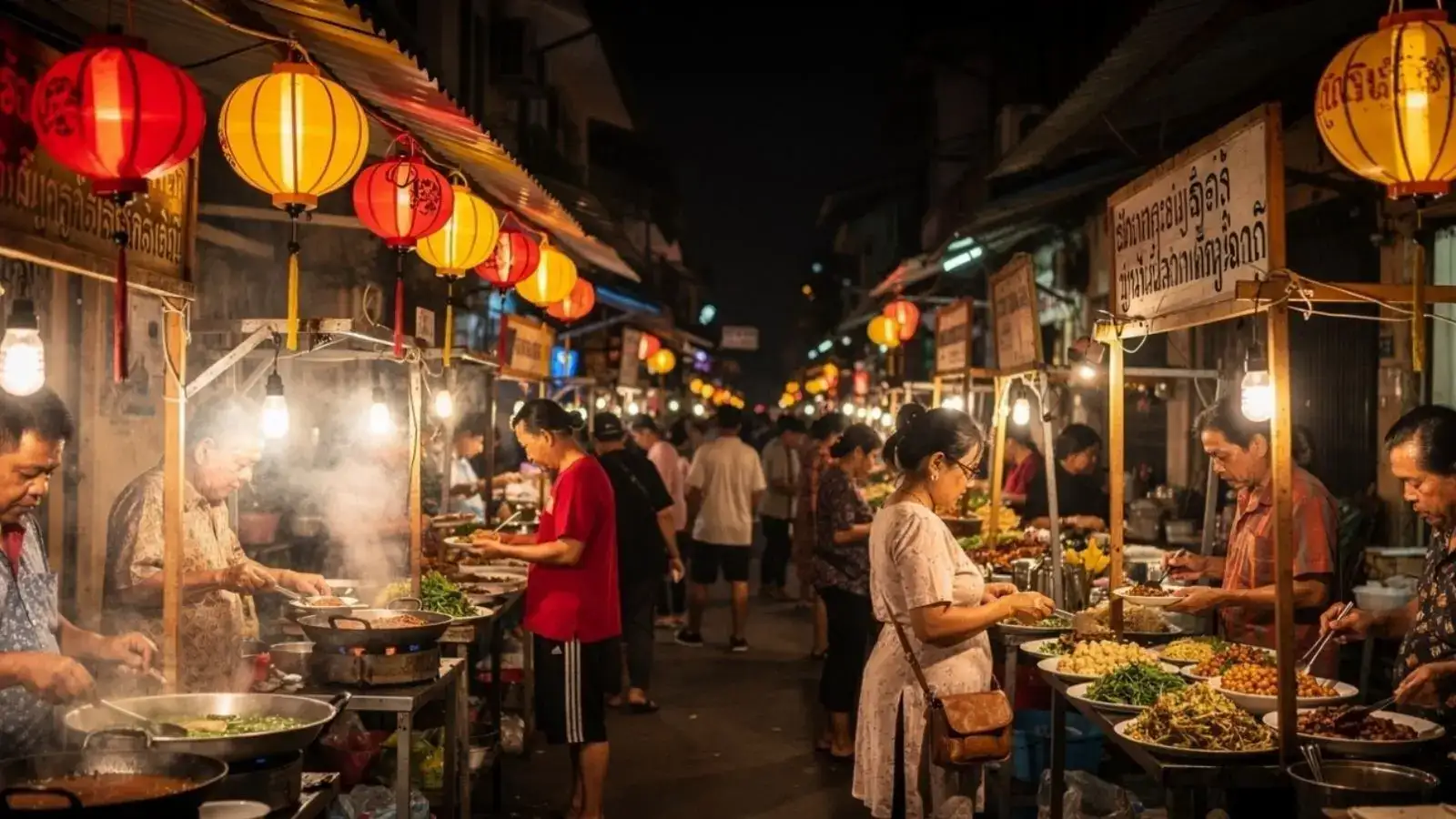
Busy local eateries often focus more on flavour and consistency than decoration or luxury presentation. These places may appear simple from the outside, but they frequently serve some of the most memorable meals in the area.
If a restaurant mainly attracts tourists with oversized menus and aggressive marketing, prices are often higher while the food may feel less authentic. Choosing places popular with local communities usually leads to more genuine local food experiences .
Morning markets especially provide insight into daily eating habits and local ingredients. Travellers can often enjoy homemade-style dishes prepared using traditional methods that are difficult to find in commercial tourist zones.
Street food can also offer authentic flavours when chosen carefully. Busy vendors with high customer turnover usually maintain fresher ingredients because food sells quickly throughout the day.
Walking a few streets away from crowded tourist zones can make a major difference in both price and authenticity. Smaller neighbourhood restaurants generally offer better portions, more traditional recipes, and lower prices.
Travellers willing to explore side streets and quieter areas often discover hidden dining spots that provide far better value than heavily advertised tourist restaurants.
Asking simple questions about favourite breakfast spots, family restaurants, or popular local dishes can lead travellers to places they may never find online.
Local recommendations also help visitors discover regional specialities that may not appear on mainstream travel websites or international restaurant listings.
Regional cuisine is often more reasonably priced because it uses local ingredients and traditional cooking methods. Trying local staples also creates more meaningful travel memories compared to eating the same foods available at home.
Many destinations have signature dishes that are both filling and affordable. Exploring these meals allows travellers to experience authentic culture while managing expenses more effectively.
Some local eateries also provide daily meal specials during afternoon hours. Visiting markets closer to closing time may lead to discounted fresh food or snacks as vendors try to sell remaining items.
Travellers who remain flexible with meal schedules can often enjoy high-quality food while spending less overall.
Simple language skills can also help when ordering from smaller restaurants that may not offer multilingual menus. In some places, asking for local favourites or chef recommendations can reveal hidden menu items preferred by residents.
Learning food-related phrases also creates more engaging interactions with local vendors and restaurant owners.
Sharing meals also gives travellers the chance to taste a wider variety of flavours without overspending. This approach works especially well in destinations known for rich culinary traditions and diverse local cuisine.
Sampling smaller portions from multiple places often creates a more exciting food journey than spending heavily on one large restaurant meal.
Crowded eateries with steady customer flow are often safer because ingredients move quickly and meals are cooked regularly. Clean cooking surfaces, organised preparation areas, and proper storage conditions are important signs to notice.
Street food vendors with long queues often indicate both popularity and trust among local customers. Paying attention to freshness helps travellers enjoy authentic local food more confidently.
Some highly promoted spots increase prices after gaining online popularity. Smaller local businesses with fewer online reviews may still offer far better experiences and more affordable meals.
Using social media as a starting point while remaining open to spontaneous discoveries usually works best for finding hidden food gems.
Travelling becomes far more enjoyable when food experiences feel genuine, memorable, and affordable. Finding authentic local food does not always require expensive restaurants or luxury dining reservations. In many cases, the tastiest and most meaningful meals are served in simple neighbourhood eateries, traditional markets, and roadside stalls filled with local customers. By exploring beyond tourist-heavy areas and making thoughtful dining choices, travellers can enjoy rich culinary experiences while staying comfortably within budget.
Eat Where Local Residents Eat
One of the easiest ways to discover authentic local food is by observing where local people prefer to eat. Restaurants and food stalls filled with residents usually indicate fresh food, reliable quality, and fair pricing.Busy local eateries often focus more on flavour and consistency than decoration or luxury presentation. These places may appear simple from the outside, but they frequently serve some of the most memorable meals in the area.
If a restaurant mainly attracts tourists with oversized menus and aggressive marketing, prices are often higher while the food may feel less authentic. Choosing places popular with local communities usually leads to more genuine local food experiences .
Explore Morning Markets And Street Food Areas
Traditional food markets are excellent places to discover affordable local cuisine . Freshly prepared snacks, regional dishes, fruits, breads, and beverages are often available at much lower prices compared to restaurants.Morning markets especially provide insight into daily eating habits and local ingredients. Travellers can often enjoy homemade-style dishes prepared using traditional methods that are difficult to find in commercial tourist zones.
Street food can also offer authentic flavours when chosen carefully. Busy vendors with high customer turnover usually maintain fresher ingredients because food sells quickly throughout the day.
Avoid Restaurants Near Major Tourist Attractions
Restaurants located directly beside famous tourist landmarks are often significantly more expensive. Many of these places rely heavily on visitor traffic and may charge premium prices for average food quality.Walking a few streets away from crowded tourist zones can make a major difference in both price and authenticity. Smaller neighbourhood restaurants generally offer better portions, more traditional recipes, and lower prices.
Travellers willing to explore side streets and quieter areas often discover hidden dining spots that provide far better value than heavily advertised tourist restaurants.
Ask Local People For Recommendations
Taxi drivers, shopkeepers, hotel staff, and local residents can often recommend excellent places for cheap local meals . These recommendations are usually more reliable than heavily promoted tourist guides.Asking simple questions about favourite breakfast spots, family restaurants, or popular local dishes can lead travellers to places they may never find online.
Local recommendations also help visitors discover regional specialities that may not appear on mainstream travel websites or international restaurant listings.
Try Regional Specialities Instead Of International Food
Travellers sometimes spend unnecessary money searching for familiar international food brands while missing affordable local dishes available nearby.Regional cuisine is often more reasonably priced because it uses local ingredients and traditional cooking methods. Trying local staples also creates more meaningful travel memories compared to eating the same foods available at home.
Many destinations have signature dishes that are both filling and affordable. Exploring these meals allows travellers to experience authentic culture while managing expenses more effectively.
Use Food Timing To Save Money
Meal timing can influence food prices in many destinations. Lunch menus are often cheaper than dinner menus while offering similar dishes and portion sizes.Some local eateries also provide daily meal specials during afternoon hours. Visiting markets closer to closing time may lead to discounted fresh food or snacks as vendors try to sell remaining items.
Travellers who remain flexible with meal schedules can often enjoy high-quality food while spending less overall.
Learn Basic Local Food Terms
Understanding a few basic local food terms can make dining easier and more affordable. Travellers who know the names of common dishes, ingredients, or meal combinations may avoid confusion and unnecessary overspending.Simple language skills can also help when ordering from smaller restaurants that may not offer multilingual menus. In some places, asking for local favourites or chef recommendations can reveal hidden menu items preferred by residents.
Learning food-related phrases also creates more engaging interactions with local vendors and restaurant owners.
Share Meals And Taste More Dishes
Portion sizes in many regions are large enough for sharing. Travelling with friends or family allows people to order multiple dishes together while keeping individual costs lower.Sharing meals also gives travellers the chance to taste a wider variety of flavours without overspending. This approach works especially well in destinations known for rich culinary traditions and diverse local cuisine.
Sampling smaller portions from multiple places often creates a more exciting food journey than spending heavily on one large restaurant meal.
Focus On Cleanliness And Food Safety
Affordable dining should never mean ignoring hygiene or food safety. Travellers should choose places where food appears freshly prepared and properly handled.Crowded eateries with steady customer flow are often safer because ingredients move quickly and meals are cooked regularly. Clean cooking surfaces, organised preparation areas, and proper storage conditions are important signs to notice.
Street food vendors with long queues often indicate both popularity and trust among local customers. Paying attention to freshness helps travellers enjoy authentic local food more confidently.
Social Media Can Help But Should Be Used Carefully
Travel videos and food blogs can sometimes help travellers discover interesting local restaurants, but not every viral location guarantees quality or authenticity.Some highly promoted spots increase prices after gaining online popularity. Smaller local businesses with fewer online reviews may still offer far better experiences and more affordable meals.
Using social media as a starting point while remaining open to spontaneous discoveries usually works best for finding hidden food gems.
Travelling becomes far more enjoyable when food experiences feel genuine, memorable, and affordable. Finding authentic local food does not always require expensive restaurants or luxury dining reservations. In many cases, the tastiest and most meaningful meals are served in simple neighbourhood eateries, traditional markets, and roadside stalls filled with local customers. By exploring beyond tourist-heavy areas and making thoughtful dining choices, travellers can enjoy rich culinary experiences while staying comfortably within budget.
Next Story