
How To Grow Strawberries At Home In Pots: 10 Easy Tips For A Healthy Winter Balcony Garden

Strawberries are a favourite winter fruit, and growing them at home can be easier than you think. You do not need a large garden or a dedicated outdoor space to enjoy freshly picked strawberries. A sunny balcony, terrace or windowsill can provide the right environment for growing strawberries in pots . With the right variety, suitable soil, adequate sunlight and regular care, you can grow healthy strawberry plants and enjoy a homegrown harvest. November is a good time to start planting in many parts of India, although the ideal season may vary depending on local weather conditions. Here are 10 simple tips to help you grow strawberries at home successfully.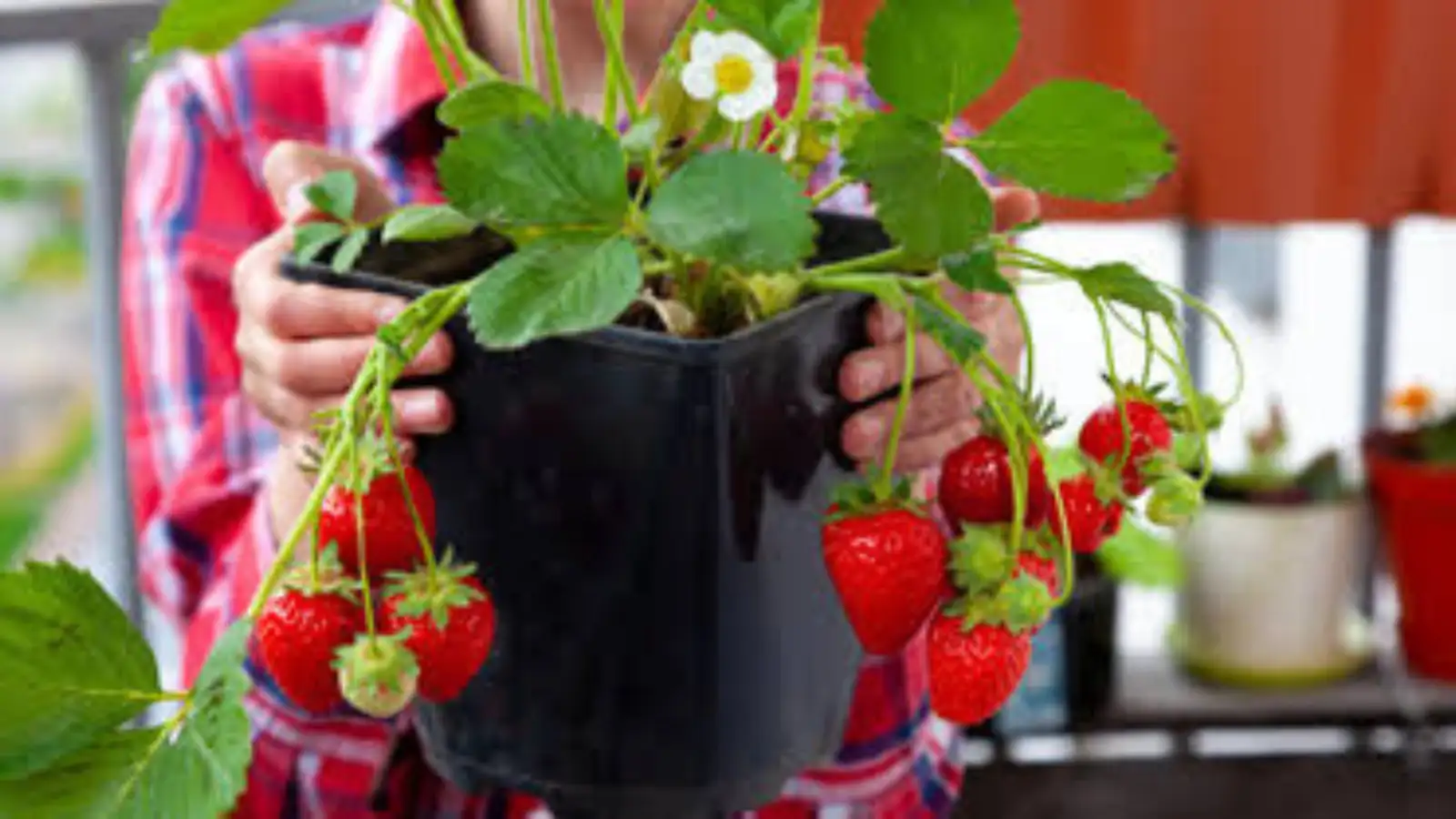
If you are new to gardening, consider purchasing a healthy strawberry sapling or a rooted runner. Growing strawberries from established plants is generally easier and faster than starting with seeds, making it a practical option for beginners.
A container measuring approximately 8–10 inches in depth and 12–14 inches in width is a good starting point for one strawberry plant. You can also use grow bags, rectangular planters or hanging baskets. Make sure the container has adequate drainage holes at the bottom to prevent excess water from collecting around the roots. If you are growing multiple plants together, maintain enough distance between them for proper air circulation.
You can prepare a suitable potting mixture by combining garden soil, cocopeat and well-decomposed compost or vermicompost. Cocopeat helps maintain moisture levels, while organic compost supplies essential nutrients. Strawberries generally prefer slightly acidic soil, so try to maintain suitable growing conditions.
Avoid filling your containers with heavy garden soil alone, as it can become compacted and restrict root development. The soil should remain airy and well-drained rather than becoming excessively wet.
Pay special attention to the plant's crown, which is the area between the roots and the leaves. It should remain at the same level as the soil surface. Burying the crown can increase the risk of rotting, while leaving the roots exposed can affect the plant's growth.
Once the sapling is positioned correctly, gently press the surrounding soil and water it lightly to help the roots settle.
A sunny balcony, open terrace or east-facing window can be a suitable location. Morning sunlight is particularly beneficial because it provides adequate light without exposing the plants to excessive afternoon heat.
If you live in a region where daytime temperatures rise considerably, protect your strawberry plants from harsh afternoon sunlight. Remember that insufficient light can result in weak plants, limited flowering and reduced fruit production.
Check the upper layer of soil before watering. If it feels dry to the touch, water the plant gently near its base. Avoid pouring water directly over the leaves, flowers and developing berries, as excess moisture can increase the chances of fungal infections.
Watering in the morning is generally a good practice because it gives the plant enough time to dry during the day. Also, check the drainage holes regularly to ensure that excess water can escape easily.
You can also use a balanced fertiliser formulated for fruit-bearing plants, following the recommended quantity and application schedule mentioned on the product label.
Be careful not to use excessive nitrogen-rich fertilisers. Too much nitrogen can encourage the development of leaves while reducing flowering and fruit production. Feed your plants only when they are actively growing and avoid applying more fertiliser than necessary.
However, runners also consume energy that the parent plant could otherwise use for flowering and producing fruits. If your main aim is to get a better strawberry harvest, regularly inspect the plant and remove unnecessary runners with clean gardening scissors.
You should also remove yellow, dry or damaged leaves to maintain plant health. Avoid cutting healthy leaves or new growth, as they are important for photosynthesis and overall development.
Inspect your plants regularly for unusual spots, discoloured leaves, damaged berries or visible insects. Good air circulation is important, so avoid overcrowding multiple plants in one container. Also, prevent water from collecting around the leaves and fruits.
Remove mouldy, damaged or overripe berries as soon as you notice them. If you spot a pest infestation, identify the problem first and use an appropriate garden-safe treatment according to its instructions.
Wait until the strawberries develop a rich, uniform red colour before harvesting them. Unlike some other fruits, strawberries do not ripen significantly after being picked, so avoid harvesting them while they are still partially green or white.
Use a pair of clean scissors to cut the fruit along with a small portion of its stem instead of pulling it off forcefully. This prevents unnecessary damage to the plant. Harvest ripe berries regularly and remove any damaged or overripe fruits to keep the plant healthy.
Start with healthy saplings, monitor your plants regularly and provide the care they need throughout the growing season. With favourable weather conditions and proper maintenance, your little balcony garden could soon reward you with fresh, juicy strawberries straight from the plant.
1. Select The Best Strawberry Variety
Choosing a strawberry variety that grows well in your local climate is the first step towards a successful harvest. Some popular varieties suitable for home gardening include Sweet Charlie, Festival, Chandler, Albion and Seascape. However, their availability and growth may differ depending on the region, so check with a nearby nursery before making a choice.If you are new to gardening, consider purchasing a healthy strawberry sapling or a rooted runner. Growing strawberries from established plants is generally easier and faster than starting with seeds, making it a practical option for beginners.
2. Choose The Right Pot For Strawberry Plants
Strawberries have shallow root systems, which means they can grow comfortably in relatively small containers. However, choosing a sufficiently wide pot is important to allow the roots to spread and the plant to develop properly.A container measuring approximately 8–10 inches in depth and 12–14 inches in width is a good starting point for one strawberry plant. You can also use grow bags, rectangular planters or hanging baskets. Make sure the container has adequate drainage holes at the bottom to prevent excess water from collecting around the roots. If you are growing multiple plants together, maintain enough distance between them for proper air circulation.
3. Prepare A Nutrient-Rich Potting Mix
Healthy soil plays an important role in strawberry growth, flowering and fruit production. These plants prefer loose, fertile soil that allows water to drain easily while retaining sufficient moisture.You can prepare a suitable potting mixture by combining garden soil, cocopeat and well-decomposed compost or vermicompost. Cocopeat helps maintain moisture levels, while organic compost supplies essential nutrients. Strawberries generally prefer slightly acidic soil, so try to maintain suitable growing conditions.
Avoid filling your containers with heavy garden soil alone, as it can become compacted and restrict root development. The soil should remain airy and well-drained rather than becoming excessively wet.
4. Plant The Saplings At The Correct Depth
Proper planting is essential to help strawberry saplings establish themselves in their new containers. Begin by making a small hole in the prepared soil and gently placing the plant inside it. Carefully spread the roots before covering them with the potting mixture.Pay special attention to the plant's crown, which is the area between the roots and the leaves. It should remain at the same level as the soil surface. Burying the crown can increase the risk of rotting, while leaving the roots exposed can affect the plant's growth.
Once the sapling is positioned correctly, gently press the surrounding soil and water it lightly to help the roots settle.
5. Provide Adequate Sunlight For Better Growth
Strawberry plants need sufficient sunlight to grow well and produce flowers and fruits. Ideally, place your pots in a location that receives around 5–6 hours of direct sunlight every day.A sunny balcony, open terrace or east-facing window can be a suitable location. Morning sunlight is particularly beneficial because it provides adequate light without exposing the plants to excessive afternoon heat.
If you live in a region where daytime temperatures rise considerably, protect your strawberry plants from harsh afternoon sunlight. Remember that insufficient light can result in weak plants, limited flowering and reduced fruit production.
6. Water Strawberry Plants Carefully
Regular watering is necessary to keep strawberry plants healthy, especially when they are growing in containers. However, giving them too much water can damage their roots and encourage fungal problems.Check the upper layer of soil before watering. If it feels dry to the touch, water the plant gently near its base. Avoid pouring water directly over the leaves, flowers and developing berries, as excess moisture can increase the chances of fungal infections.
Watering in the morning is generally a good practice because it gives the plant enough time to dry during the day. Also, check the drainage holes regularly to ensure that excess water can escape easily.
7. Use Fertilisers To Encourage Flowering And Fruiting
Since strawberry plants growing in pots have access to a limited amount of soil, they may need additional nutrients to support healthy development. Providing organic compost or vermicompost occasionally can help maintain soil fertility.You can also use a balanced fertiliser formulated for fruit-bearing plants, following the recommended quantity and application schedule mentioned on the product label.
Be careful not to use excessive nitrogen-rich fertilisers. Too much nitrogen can encourage the development of leaves while reducing flowering and fruit production. Feed your plants only when they are actively growing and avoid applying more fertiliser than necessary.
8. Remove Extra Runners And Damaged Leaves
Strawberry plants naturally produce long stems known as runners. These stems can develop roots and grow into new strawberry plants, making them useful for propagation.However, runners also consume energy that the parent plant could otherwise use for flowering and producing fruits. If your main aim is to get a better strawberry harvest, regularly inspect the plant and remove unnecessary runners with clean gardening scissors.
You should also remove yellow, dry or damaged leaves to maintain plant health. Avoid cutting healthy leaves or new growth, as they are important for photosynthesis and overall development.
9. Keep Strawberry Plants Safe From Pests And Diseases
Like other fruit-bearing plants, strawberries can attract pests and develop fungal infections if growing conditions are not suitable. Common problems include aphids, spider mites and grey mould, which can affect leaves, flowers and developing fruits.You may also like
- 27 years in fashion, one new perspective: Pawan Sachdevaa on reimagining Indian craft
- Six Lamps, One Light: From Cosmos to Consciousness
- Quote of the day by Socrates: “He who is not content with what he has…” – a reminder why chasing more in life may never bring the happiness you are looking for
- How to Get Through the First Month After a Breakup, Hour by Hour
- Milk Alternatives: Milk is getting more expensive; these alternatives can also meet nutritional deficiency.
Inspect your plants regularly for unusual spots, discoloured leaves, damaged berries or visible insects. Good air circulation is important, so avoid overcrowding multiple plants in one container. Also, prevent water from collecting around the leaves and fruits.
Remove mouldy, damaged or overripe berries as soon as you notice them. If you spot a pest infestation, identify the problem first and use an appropriate garden-safe treatment according to its instructions.
10. Harvest Strawberries When They Are Fully Ripe
After weeks of watering and caring for your plants, harvesting your first homegrown strawberries can be especially satisfying. However, picking the fruits at the right time is important to enjoy their natural sweetness and flavour.Wait until the strawberries develop a rich, uniform red colour before harvesting them. Unlike some other fruits, strawberries do not ripen significantly after being picked, so avoid harvesting them while they are still partially green or white.
Use a pair of clean scissors to cut the fruit along with a small portion of its stem instead of pulling it off forcefully. This prevents unnecessary damage to the plant. Harvest ripe berries regularly and remove any damaged or overripe fruits to keep the plant healthy.
Enjoy Fresh, Homegrown Strawberries This Winter
Growing strawberries in pots is a rewarding gardening activity that does not require a large outdoor space or extensive experience. With the right container, well-draining soil, sufficient sunlight and a consistent watering routine, even beginners can successfully grow strawberry plants on their balconies or terraces.Start with healthy saplings, monitor your plants regularly and provide the care they need throughout the growing season. With favourable weather conditions and proper maintenance, your little balcony garden could soon reward you with fresh, juicy strawberries straight from the plant.






Loving Newspoint? Download the app now
