
How to Help Your Dog Adjust to a New Home Without Stress or Anxiety

A new home brings excitement for people, but for dogs, it can be confusing and overwhelming. Unfamiliar smells, different sounds and a changed routine may leave even the most confident pet feeling unsettled. According to veterinarians and animal behaviour experts, dogs thrive on consistency, making patience and gradual adjustment essential during a move. The good news is that with a few thoughtful steps, you can help your pet settle in comfortably. By creating a familiar environment and maintaining a predictable routine, your dog is more likely to feel safe and adapt to its new surroundings with confidence.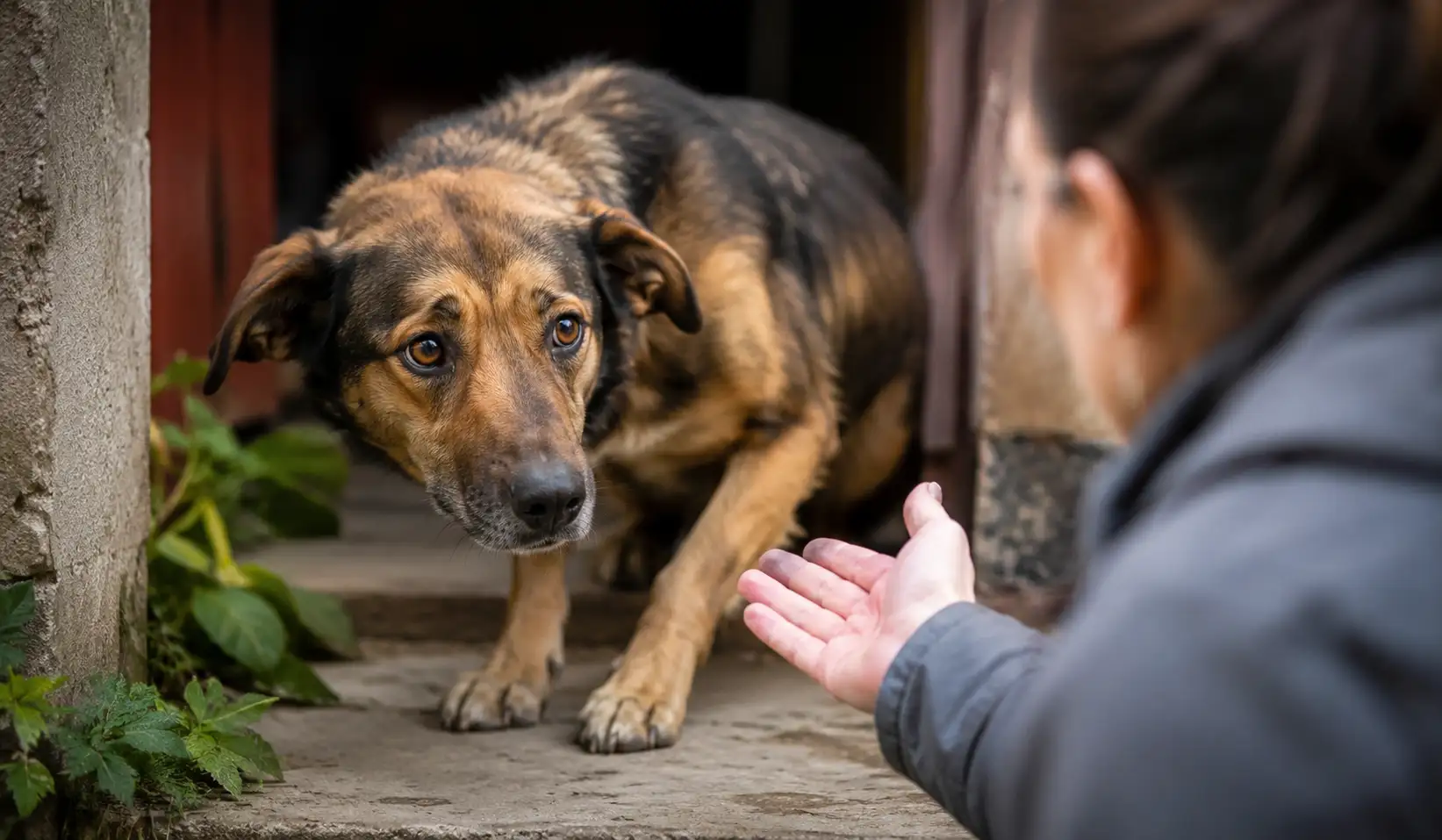
Experts suggest avoiding frequent changes to this space, allowing your pet to have a reliable place to relax whenever it feels anxious.
According to animal behaviour specialists, predictable daily activities help reduce dog anxiety and make it easier for pets to understand that, despite the new surroundings, their daily life remains familiar.
Take short walks around the house and garden, rewarding calm behaviour with praise or treats to build positive associations.
Experts advise avoiding punishment during this stage. Gentle reassurance and positive reinforcement usually produce better results while strengthening trust.
Spending quality time together through games and gentle interaction further strengthens your bond, helping your pet feel more secure.
Every dog adjusts at its own pace. Some settle within a few days, while others may take several weeks. By offering consistency, patience and plenty of reassurance, you can help your dog view its new home as a safe and happy place where it can thrive alongside your family.
Create a Familiar Space
As soon as you arrive, set up a quiet area with your dog's bed, favourite toys, blankets and food bowls. Familiar items carrying your dog's scent can provide reassurance during the first few days.Experts suggest avoiding frequent changes to this space, allowing your pet to have a reliable place to relax whenever it feels anxious.
Stick to Regular Routines
Dogs are creatures of habit, so try to keep feeding, walking and playtime schedules as close as possible to their previous routine.According to animal behaviour specialists, predictable daily activities help reduce dog anxiety and make it easier for pets to understand that, despite the new surroundings, their daily life remains familiar.
You may also like
- Psychology says people who never cut birthday cakes may not dislike celebrations; here's what it reveals about them
- Moving into a new home? These 5 cleansing rituals can help you welcome a fresh beginning
- Best twin baby names that rhyme: 100 adorable pairings for twin boys, girls and a boy-girl duo
- Elemis anti-ageing cleansing balm loved by Molly-Mae drops to £14 in QVC deal
- We have friends; we have family... so why do we feel lonely around people? Find out
Introduce the Home Gradually
Rather than giving your dog unrestricted access to every room immediately, allow it to explore one area at a time. This gradual introduction can prevent your pet from becoming overwhelmed.Take short walks around the house and garden, rewarding calm behaviour with praise or treats to build positive associations.
Be Patient With Behaviour Changes
Some dogs may bark more, hide, lose their appetite or have minor accidents during the adjustment period. These reactions are often temporary and may ease as your pet becomes more comfortable.Experts advise avoiding punishment during this stage. Gentle reassurance and positive reinforcement usually produce better results while strengthening trust.
Encourage Exercise and Mental Stimulation
Daily walks, interactive toys and simple training sessions help dogs burn energy while keeping their minds engaged. Physical activity can also reduce stress and support healthy dog behaviour .Spending quality time together through games and gentle interaction further strengthens your bond, helping your pet feel more secure.
Every dog adjusts at its own pace. Some settle within a few days, while others may take several weeks. By offering consistency, patience and plenty of reassurance, you can help your dog view its new home as a safe and happy place where it can thrive alongside your family.






Loving Newspoint? Download the app now
