
How to Identify Adulterated Flavour Essences Before They Spoil Your Favourite Recipes

Flavour essences are widely used in baking, confectionery, beverages and home cooking to enhance the aroma and taste of food. From vanilla and almond to fruit and floral varieties, these concentrated flavourings have become kitchen staples. However, according to food safety experts, the growing demand for such products has also increased the risk of adulterated or low-quality flavour essences entering the market. While not every inexpensive product is necessarily fake, consumers should know how to identify suspicious products before using them. A few careful checks can help you choose genuine flavour essences that deliver better flavour while supporting food safety.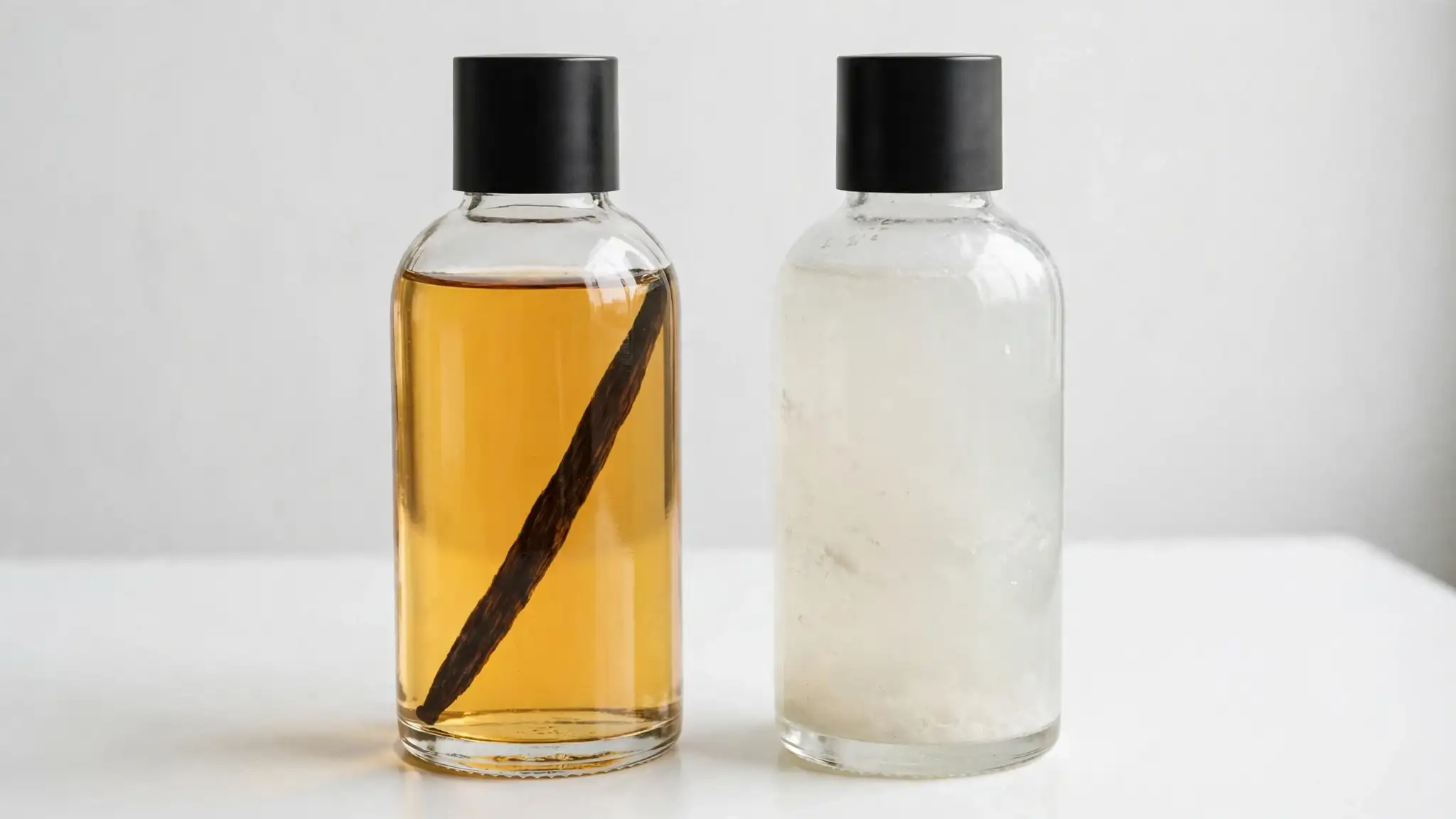
Experts suggest avoiding products with incomplete labels, spelling mistakes or missing regulatory information. A transparent label usually reflects better manufacturing practices and makes it easier to verify the product's authenticity.
Similarly, an excessively sharp or chemical-like smell instead of the expected natural fragrance can be a warning sign. According to food industry professionals, any unusual odour should be treated with caution.
It is also wise to compare the packaging with products sold by authorised retailers, especially if you are purchasing a familiar brand.
Keeping the purchase bill can also help if you need to raise a complaint about product quality later.
Proper storage helps preserve both the flavour and quality of the essence throughout its shelf life.
According to experts, staying alert while purchasing and storing flavour essences is one of the simplest ways to reduce the chances of buying adulterated products and ensure safer, better-quality cooking.
Check the Label Carefully
The first step is to examine the product label thoroughly. Genuine flavour essences generally carry clear information about ingredients, manufacturer details, batch number, manufacturing date, expiry date and storage instructions.Experts suggest avoiding products with incomplete labels, spelling mistakes or missing regulatory information. A transparent label usually reflects better manufacturing practices and makes it easier to verify the product's authenticity.
Observe the Colour and Aroma
Pure flavour essences usually have a consistent appearance and a characteristic aroma. If the liquid appears unusually cloudy, contains floating particles or shows colour separation, it may indicate contamination or poor-quality ingredients.Similarly, an excessively sharp or chemical-like smell instead of the expected natural fragrance can be a warning sign. According to food industry professionals, any unusual odour should be treated with caution.
You may also like
- Vande Bharat: What is the salary of a Vande Bharat loco pilot? Here is the recruitment process.
- Most tourists miss these incredible border villages; PM Modi wants young Indians to change that
- Monsoon skin and hair reset: Best beauty routine for the rainy season
- How to get a new electricity connection quickly using your Aadhaar card? Here is the complete process.
- Important news for rail passengers: Several trains on this route cancelled; check the list here.
Watch for Unusual Packaging
Packaging often provides useful clues about product quality. Damaged seals, leaking bottles, faded printing or tampered caps may suggest improper handling or possible adulteration.It is also wise to compare the packaging with products sold by authorised retailers, especially if you are purchasing a familiar brand.
Buy Only from Trusted Sellers
Food safety specialists recommend buying flavour essences from reputable grocery stores, baking supply shops or trusted online platforms. Products sold at unusually low prices or through unreliable sources may not meet quality standards.Keeping the purchase bill can also help if you need to raise a complaint about product quality later.
Store the Product Properly
Even genuine flavour essences can deteriorate if stored incorrectly. Keep the bottle tightly closed, away from direct sunlight, heat and moisture. Always use a clean, dry spoon or dropper if required to avoid contamination after opening.Proper storage helps preserve both the flavour and quality of the essence throughout its shelf life.
Final Checks Before Use
Before adding any flavour essence to food, inspect it once more for changes in colour, smell or texture. If anything appears unusual, it is better to discard the product rather than risk using it.According to experts, staying alert while purchasing and storing flavour essences is one of the simplest ways to reduce the chances of buying adulterated products and ensure safer, better-quality cooking.






Loving Newspoint? Download the app now
