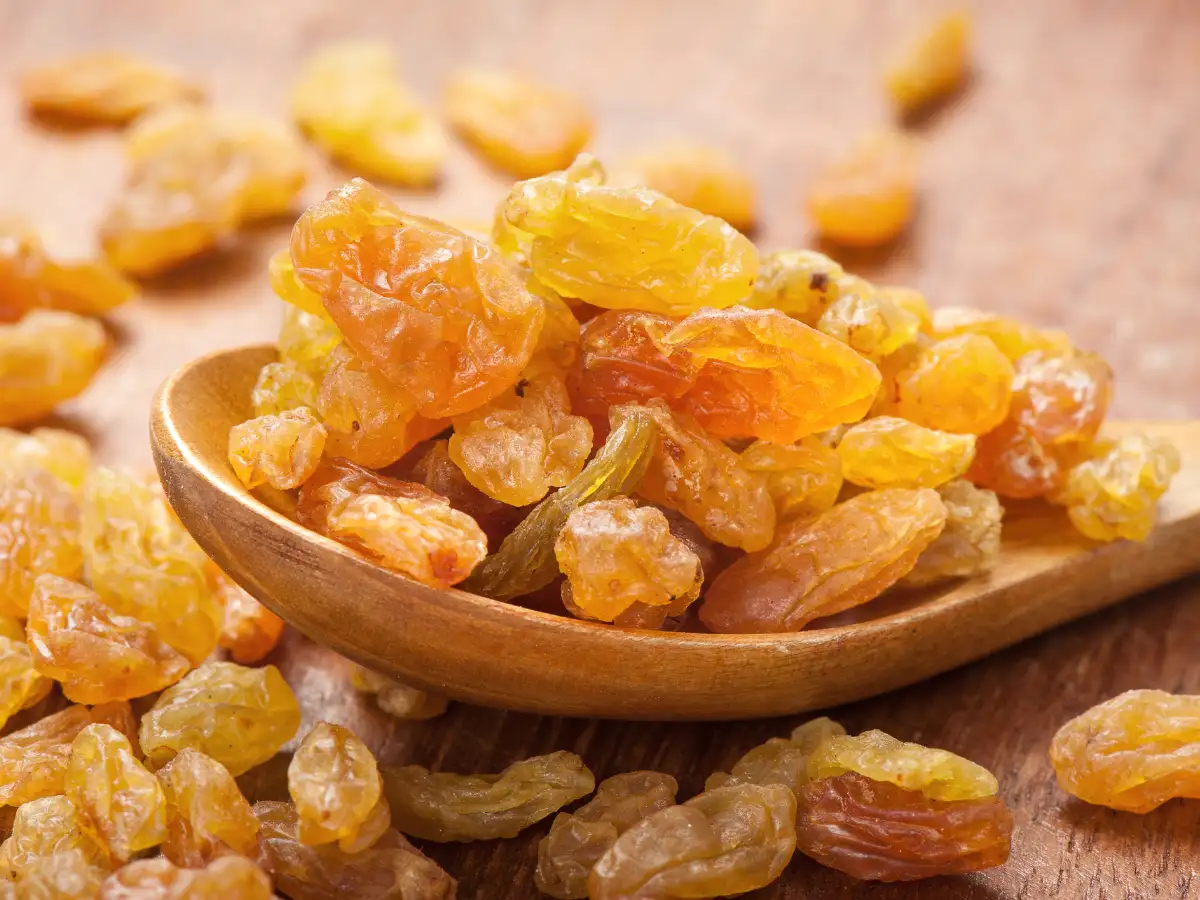
Buying Raisins? These Easy Checks Can Help You Spot Adulterated Or Poor-Quality OnesFake Or Adulterated Raisins May Look Normal, But These Simple Tests Can Reveal The DifferenceFrom Colour To Texture: Easy Ways To Identify Adulterated Raisins Before Eating ThemDon’t Let Bright Colours Fool You: Simple Ways To Check If Your Raisins Are PureKeywords: how to identify adulterated raisins, adulterated raisins, how to check raisin quality, fake raisins, pure raisins, raisin adulterationMeta Description: Learn how to identify adulterated raisins with simple checks at home, including colour, texture, smell and washing tests before eating.Synopsis: How To Identify Adulterated Raisins: Simple Ways To Check Their Quality At HomeRaisins are a convenient source of natural sweetness and are commonly added to desserts, breakfast bowls, trail mixes and traditional Indian recipes. However, their appearance can sometimes be altered through excessive processing, artificial colouring or poor storage. This makes it important to pay attention to what you are buying. According to food experts, no single home test can confirm every type of adulteration, but simple checks can help consumers spot unusual signs. From colour and texture to smell and washing, these methods can help you make a more informed choice when buying raisins.Check The Colour CarefullyNatural raisins can range from green and golden to brown or dark purple, depending on the variety and processing method. However, an extremely bright, unnaturally uniform colour may deserve closer attention.According to experts, colour alone cannot prove that raisins have been adulterated. Some varieties are naturally lighter or darker, while certain food-grade processing methods can also affect their appearance. Still, raisins that look unusually artificial compared with similar products should be examined more carefully.Look For Excessive ShineRaisins may have a natural wrinkled appearance and can sometimes appear slightly glossy. However, an unusually shiny or sticky surface may be a reason to inspect them further.Excessive stickiness can also be linked to moisture exposure or the presence of added substances. It is important to remember that appearance alone is not a conclusive test for adulteration.Wash A Few RaisinsPlace a small quantity of raisins in clean water and gently wash them. If the water develops an unusual colour, it may indicate the presence of surface residues or colouring.However, this test is not definitive. Natural dust, sugar residues and processing remnants can also affect the water. A change in colour should therefore be treated as a warning sign rather than proof of adulteration.Check The Smell And TextureFresh raisins generally have a mild, naturally sweet smell. A strong chemical odour, sour smell or rancid aroma may indicate poor quality or spoilage.The texture should also be considered. Raisins that are excessively sticky, unusually hard, slimy or damp may have been improperly stored. Industry watchers note that moisture and poor storage can affect the quality and safety of dried fruits.Taste With CautionIf the raisins pass the visual and smell checks, taste a small piece. A natural raisin is generally sweet, although the intensity varies by variety. A strange chemical taste, unusual bitterness or sourness is a reason to stop eating them.For better protection, buy raisins from reliable sellers, check packaging and avoid products with signs of moisture, mould or damage. These simple steps can help you make a more informed choice when purchasing dry fruits.