How to Identify Adulterated Walnuts Before Buying: Simple Checks Every Shopper Should Know

Don't Buy Poor-Quality Walnuts Until You Know These Easy Ways to Spot Adulteration: Walnuts are valued for their rich flavour and impressive nutritional profile, making them a popular addition to daily diets. However, not every batch available in the market is of the same quality. According to food safety experts, some walnuts may be stale, improperly stored or mixed with inferior-quality nuts, while damaged kernels can also find their way into packaged products. Although outright counterfeit walnuts are uncommon, adulteration and poor storage practices can affect freshness, taste and safety. Thankfully, a few simple checks can help you choose high-quality walnuts and avoid products that may not be worth your money.
According to experts, tiny holes or damaged shells may indicate insect infestation, while excessive staining or moisture can point to poor storage conditions.
Industry watchers note that uneven colouring or visible mould should be treated as a warning sign, and such walnuts are best avoided.
According to food experts, an unpleasant odour is one of the easiest ways to identify walnuts that have deteriorated and are no longer suitable for consumption.
If you're purchasing loose walnuts, inspect a handful closely. Consistency in size, texture and appearance usually reflects better walnut quality .
Experts recommend buying from trusted brands or reliable retailers, as proper packaging helps preserve freshness and reduces the risk of contamination.
By paying attention to appearance, aroma, texture and packaging, you can confidently choose fresh walnuts while avoiding adulterated, stale or poor-quality products. These simple checks help ensure you enjoy both the taste and nutritional benefits that walnuts are known for.
Inspect the Shell Carefully
If you're buying walnuts in their shells, look for a clean, hard shell without cracks, holes or signs of mould. The shell should feel dry and intact.According to experts, tiny holes or damaged shells may indicate insect infestation, while excessive staining or moisture can point to poor storage conditions.
Check the Kernel Colour
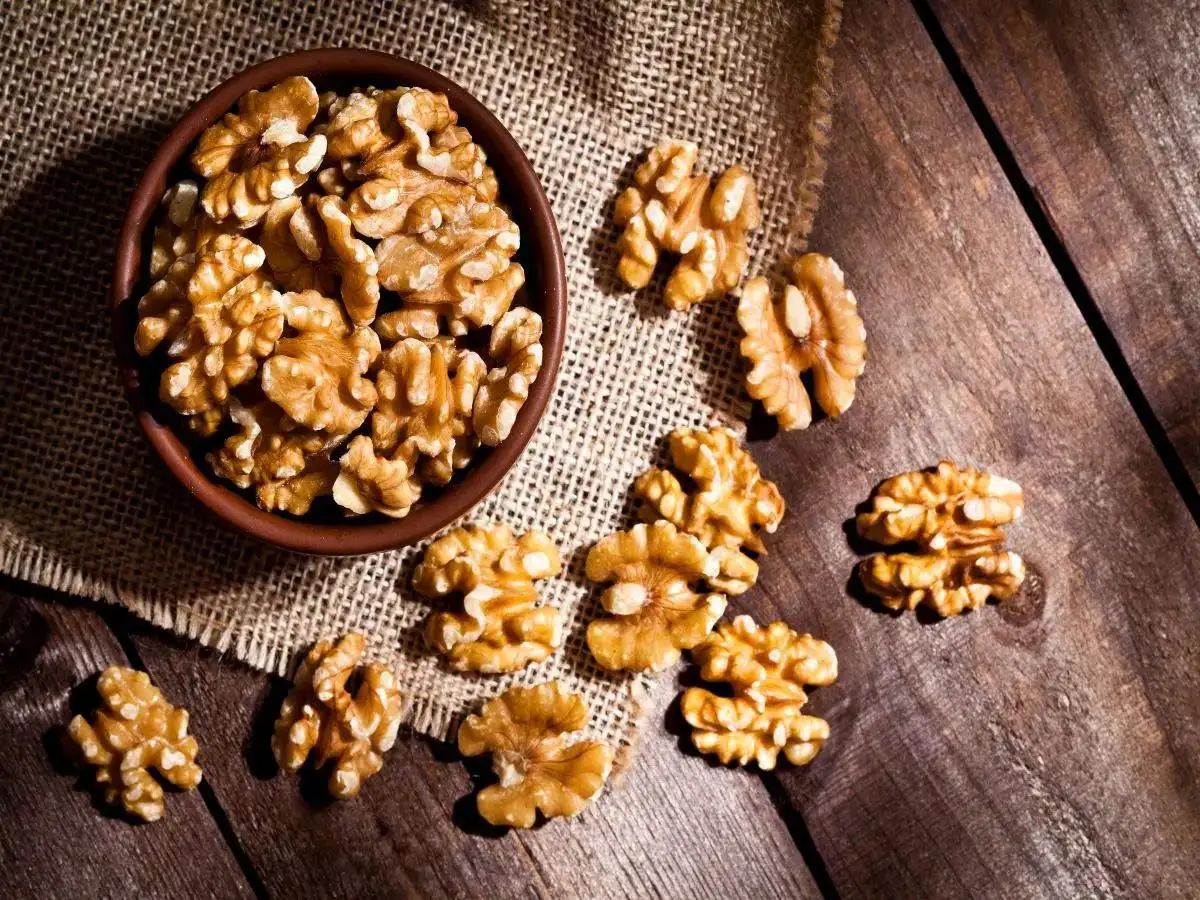
Shelled walnuts should have a light golden or pale brown colour. Kernels that appear unusually dark, blackened or heavily shrivelled may be old or improperly stored.Industry watchers note that uneven colouring or visible mould should be treated as a warning sign, and such walnuts are best avoided.
Smell Before You Buy
Fresh walnuts have a mild, pleasant, nutty aroma. If they smell sour, musty or paint-like, the natural oils inside may have turned rancid.According to food experts, an unpleasant odour is one of the easiest ways to identify walnuts that have deteriorated and are no longer suitable for consumption.
Feel the Texture
Good-quality walnut kernels should feel firm and crisp. Soft, rubbery or excessively dry kernels often indicate loss of freshness.If you're purchasing loose walnuts, inspect a handful closely. Consistency in size, texture and appearance usually reflects better walnut quality .
Check the Packaging
For packaged walnuts, always inspect the seal, manufacturing date and expiry date. Avoid packs with damaged packaging, moisture inside or unclear labelling.Experts recommend buying from trusted brands or reliable retailers, as proper packaging helps preserve freshness and reduces the risk of contamination.
Store Walnuts Correctly
Once purchased, store walnuts in an airtight container in a cool, dry place. Because walnuts contain a high amount of natural oil, they can become rancid if exposed to heat and humidity for extended periods. Refrigeration or freezing is often recommended for long-term storage.By paying attention to appearance, aroma, texture and packaging, you can confidently choose fresh walnuts while avoiding adulterated, stale or poor-quality products. These simple checks help ensure you enjoy both the taste and nutritional benefits that walnuts are known for.
Next Story