
How To Identify Fake Baby Food And Protect Your Child From Unsafe Products

How To Identify Fake Baby Food And Ensure Safer Choices For Your Child: Parents naturally place enormous trust in baby food products because infants require safe, nutritious and hygienically prepared meals during their early stages of development. However, the growing presence of counterfeit products in markets has made it increasingly important for consumers to remain cautious while purchasing packaged infant food. Fake baby food may contain poor-quality ingredients, incorrect nutritional information or unsafe storage conditions that can potentially affect a child’s health.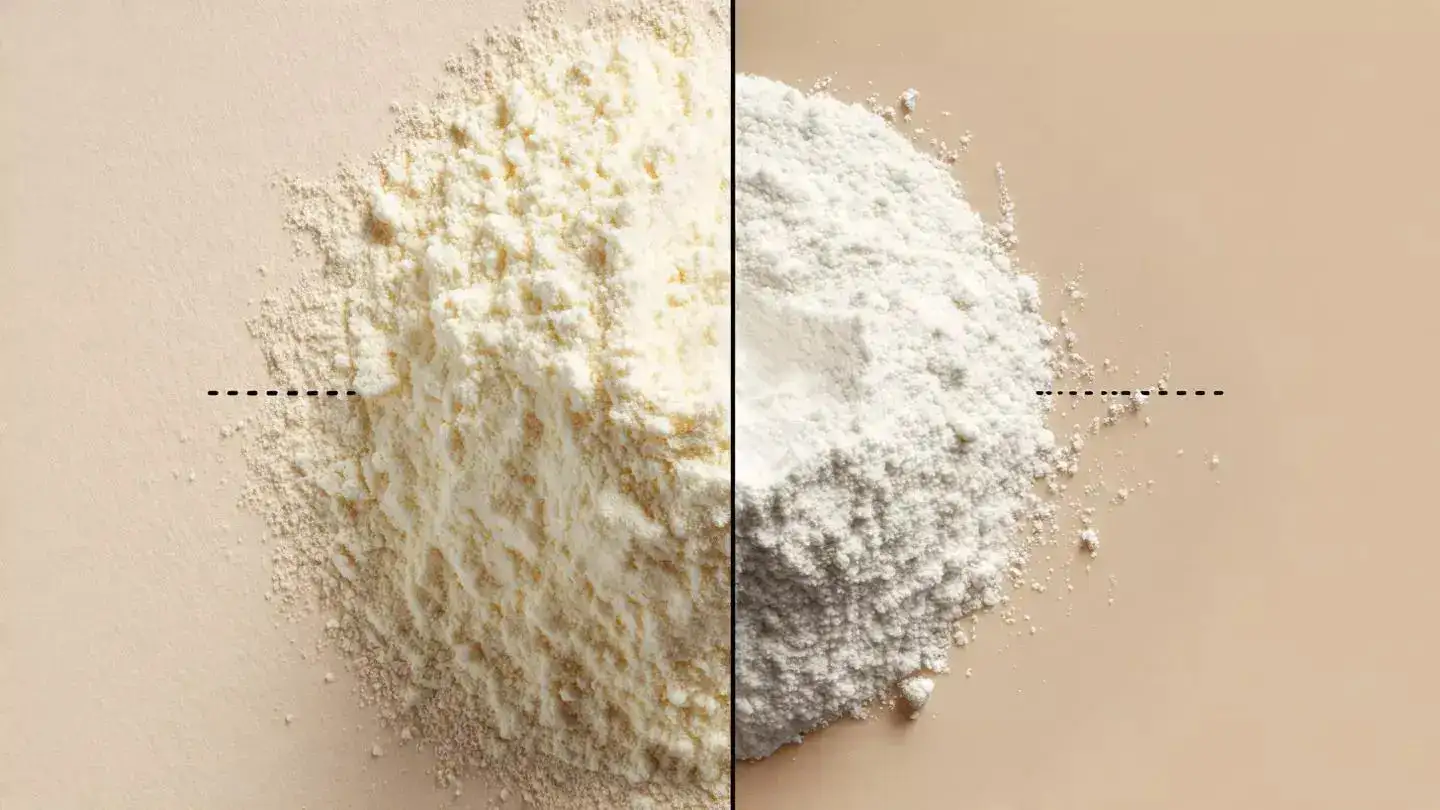
Unlike regular packaged foods, baby food products demand stricter safety standards because infants are more vulnerable to contamination and nutritional imbalance. Counterfeit products are often designed to imitate trusted brands closely, making it difficult for buyers to identify differences at first glance. This is why awareness and careful inspection have become essential for every parent and caregiver.
Understanding the common fake baby food signs can help consumers make safer decisions and avoid products that may compromise hygiene or nutrition.
Infants have developing immune systems, making them more sensitive to unsafe food products compared to adults. Even small issues such as improper sealing or expired ingredients can create health risks.
Another concern is misleading nutritional information. Babies require balanced nutrition for healthy growth, and counterfeit products may not provide the nutrients mentioned on the packaging.
The increasing availability of online shopping and unverified sellers has also made it easier for fake products to enter the market. This is why baby food safety tips are more important than ever for parents.
Counterfeit products often show signs of poor-quality printing, faded colours, spelling mistakes or blurry logos. Uneven sealing, damaged corners or loose lids may also indicate tampering or duplication.
Parents should compare the product with packaging images available on the official company website whenever possible. Even small differences in font style, label placement or colour shade may reveal counterfeit packaging.
If the container appears damaged, swollen or leaking, it should never be purchased or consumed.
Missing information is often a warning sign. Consumers should also verify whether the expiry date looks altered or overwritten.
In many genuine products, batch numbers and manufacturing codes are printed clearly and consistently. If these markings appear faded or suspicious, it is better to avoid the product entirely.
Parents should additionally ensure that the shelf life seems reasonable. Extremely discounted products nearing expiry may require extra caution.
Reputed supermarkets, pharmacies and authorised retailers are generally safer than unknown roadside vendors or suspicious online listings. Buying from trusted sources reduces the risk of counterfeit products entering the household.
When shopping online, consumers should verify seller ratings, customer reviews and product authenticity guarantees. Extremely low prices compared to standard market rates may also indicate possible counterfeit goods.
Checking whether the seller is officially associated with the brand can provide additional reassurance.
Powdered products should remain dry and free-flowing without unusual lumps or moisture. Prepared purées should have consistent texture and natural aroma.
Any unusual chemical smell, discolouration or oily separation should be treated seriously. If the food looks different from previous purchases of the same product, it is safer not to use it.
Infants should never consume food that appears suspicious in any way.
Parents should check for accurate ingredient lists, feeding instructions and allergen information. Inconsistent or poorly translated labels can sometimes indicate counterfeit packaging.
Many companies now also include QR codes, holograms or digital verification methods to help customers confirm product authenticity. Using these features can provide added confidence before use.
Counterfeit sellers often attract buyers through significantly lower prices than standard retail rates. Since quality ingredients and proper manufacturing involve cost, genuine products rarely appear at unrealistic prices.
Consumers should compare prices across multiple trusted stores before purchasing unfamiliar listings.
Parents should follow storage instructions carefully after opening the product. Containers must remain tightly sealed and stored in cool, dry conditions unless refrigeration is required.
Using clean utensils and avoiding direct exposure to moisture can further improve food safety.
Checking the product regularly for changes in smell, texture or colour after opening is also important.
Reading labels carefully, purchasing from trusted sources and inspecting products thoroughly can greatly reduce risks. Parents should also report suspicious products to retailers or relevant authorities whenever possible.
Protecting infant health begins with careful everyday decisions. By understanding how to identify fake baby food, families can make safer choices and ensure that babies receive the nutrition and hygiene standards they deserve during their crucial developmental years.
Unlike regular packaged foods, baby food products demand stricter safety standards because infants are more vulnerable to contamination and nutritional imbalance. Counterfeit products are often designed to imitate trusted brands closely, making it difficult for buyers to identify differences at first glance. This is why awareness and careful inspection have become essential for every parent and caregiver.
Understanding the common fake baby food signs can help consumers make safer decisions and avoid products that may compromise hygiene or nutrition.
Why Counterfeit Baby Food Is A Serious Concern
Counterfeit baby food products are dangerous because they may not follow proper manufacturing and storage standards. In some cases, fake products can contain low-quality ingredients, artificial additives or even contaminated substances.Infants have developing immune systems, making them more sensitive to unsafe food products compared to adults. Even small issues such as improper sealing or expired ingredients can create health risks.
Another concern is misleading nutritional information. Babies require balanced nutrition for healthy growth, and counterfeit products may not provide the nutrients mentioned on the packaging.
The increasing availability of online shopping and unverified sellers has also made it easier for fake products to enter the market. This is why baby food safety tips are more important than ever for parents.
Carefully Examine The Packaging Quality
One of the easiest ways to identify fake baby food is by inspecting the packaging closely. Genuine brands generally maintain high-quality printing, proper sealing and consistent packaging materials.Counterfeit products often show signs of poor-quality printing, faded colours, spelling mistakes or blurry logos. Uneven sealing, damaged corners or loose lids may also indicate tampering or duplication.
Parents should compare the product with packaging images available on the official company website whenever possible. Even small differences in font style, label placement or colour shade may reveal counterfeit packaging.
If the container appears damaged, swollen or leaking, it should never be purchased or consumed.
Check Manufacturing And Expiry Details
Authentic baby food products clearly mention manufacturing dates, expiry dates, batch numbers and licensing details. These details should appear properly printed rather than loosely pasted or smudged.Missing information is often a warning sign. Consumers should also verify whether the expiry date looks altered or overwritten.
In many genuine products, batch numbers and manufacturing codes are printed clearly and consistently. If these markings appear faded or suspicious, it is better to avoid the product entirely.
Parents should additionally ensure that the shelf life seems reasonable. Extremely discounted products nearing expiry may require extra caution.
Buy Only From Trusted Sellers
Where the product is purchased matters significantly when it comes to infant food authenticity .Reputed supermarkets, pharmacies and authorised retailers are generally safer than unknown roadside vendors or suspicious online listings. Buying from trusted sources reduces the risk of counterfeit products entering the household.
When shopping online, consumers should verify seller ratings, customer reviews and product authenticity guarantees. Extremely low prices compared to standard market rates may also indicate possible counterfeit goods.
Checking whether the seller is officially associated with the brand can provide additional reassurance.
Observe Texture, Smell And Appearance
Parents should inspect baby food carefully after opening the package. Changes in colour, texture or smell may indicate spoilage or fake manufacturing.Powdered products should remain dry and free-flowing without unusual lumps or moisture. Prepared purées should have consistent texture and natural aroma.
Any unusual chemical smell, discolouration or oily separation should be treated seriously. If the food looks different from previous purchases of the same product, it is safer not to use it.
Infants should never consume food that appears suspicious in any way.
Verify Safety Certifications And Labels
Authentic baby food brands usually display proper certifications, nutritional information and safety compliance labels. These labels indicate that the product meets regulated manufacturing standards.Parents should check for accurate ingredient lists, feeding instructions and allergen information. Inconsistent or poorly translated labels can sometimes indicate counterfeit packaging.
Many companies now also include QR codes, holograms or digital verification methods to help customers confirm product authenticity. Using these features can provide added confidence before use.
Avoid Products With Unusual Pricing
Price differences can sometimes reveal counterfeit products. While discounts are common during promotions, unusually cheap infant food products should raise concern.Counterfeit sellers often attract buyers through significantly lower prices than standard retail rates. Since quality ingredients and proper manufacturing involve cost, genuine products rarely appear at unrealistic prices.
Consumers should compare prices across multiple trusted stores before purchasing unfamiliar listings.
You may also like
- Salman Khan Calls Out Paparazzi at Riteish Deshmukh's Success Party
- Star-Studded Farewell on The Late Show and Ricky Martin's Concert Incident
- Lessons from Ratan Tata: Wisdom Beyond Wealth
- Why you should spray vinegar around your toilet regularly
- Can You Eat Flaxseeds During Pregnancy? Safety, Benefits, and Risks
Store Baby Food Properly After Purchase
Even authentic baby food products can become unsafe if stored incorrectly. Proper storage helps maintain quality and prevents contamination.Parents should follow storage instructions carefully after opening the product. Containers must remain tightly sealed and stored in cool, dry conditions unless refrigeration is required.
Using clean utensils and avoiding direct exposure to moisture can further improve food safety.
Checking the product regularly for changes in smell, texture or colour after opening is also important.
Importance Of Staying Alert As A Consumer
Awareness remains one of the strongest protections against counterfeit baby food. While authorities and brands continue improving safety measures, consumers play a major role by staying observant and informed.Reading labels carefully, purchasing from trusted sources and inspecting products thoroughly can greatly reduce risks. Parents should also report suspicious products to retailers or relevant authorities whenever possible.
Protecting infant health begins with careful everyday decisions. By understanding how to identify fake baby food, families can make safer choices and ensure that babies receive the nutrition and hygiene standards they deserve during their crucial developmental years.






More from our partners


Loving Newspoint? Download the app now
