
How To Identify Fake Cakes Before You Buy Them For Birthdays, Parties Or Festive Celebrations

A cake may look attractive in a bakery display, but appearance alone does not guarantee quality, freshness or safe ingredients. In everyday use, people often describe “fake cakes” as cakes made with poor-quality cream, stale sponge, misleading presentation, imitation ingredients or unhygienic handling rather than genuine bakery standards. That is why it helps to know what to check before buying one for a birthday, family gathering or festive celebration. While laboratory testing is the only way to confirm some food safety concerns, a buyer can still notice several visible warning signs. By paying attention to smell, texture, cream, storage and packaging, you can make a far better decision and avoid bringing home a disappointing or questionable cake.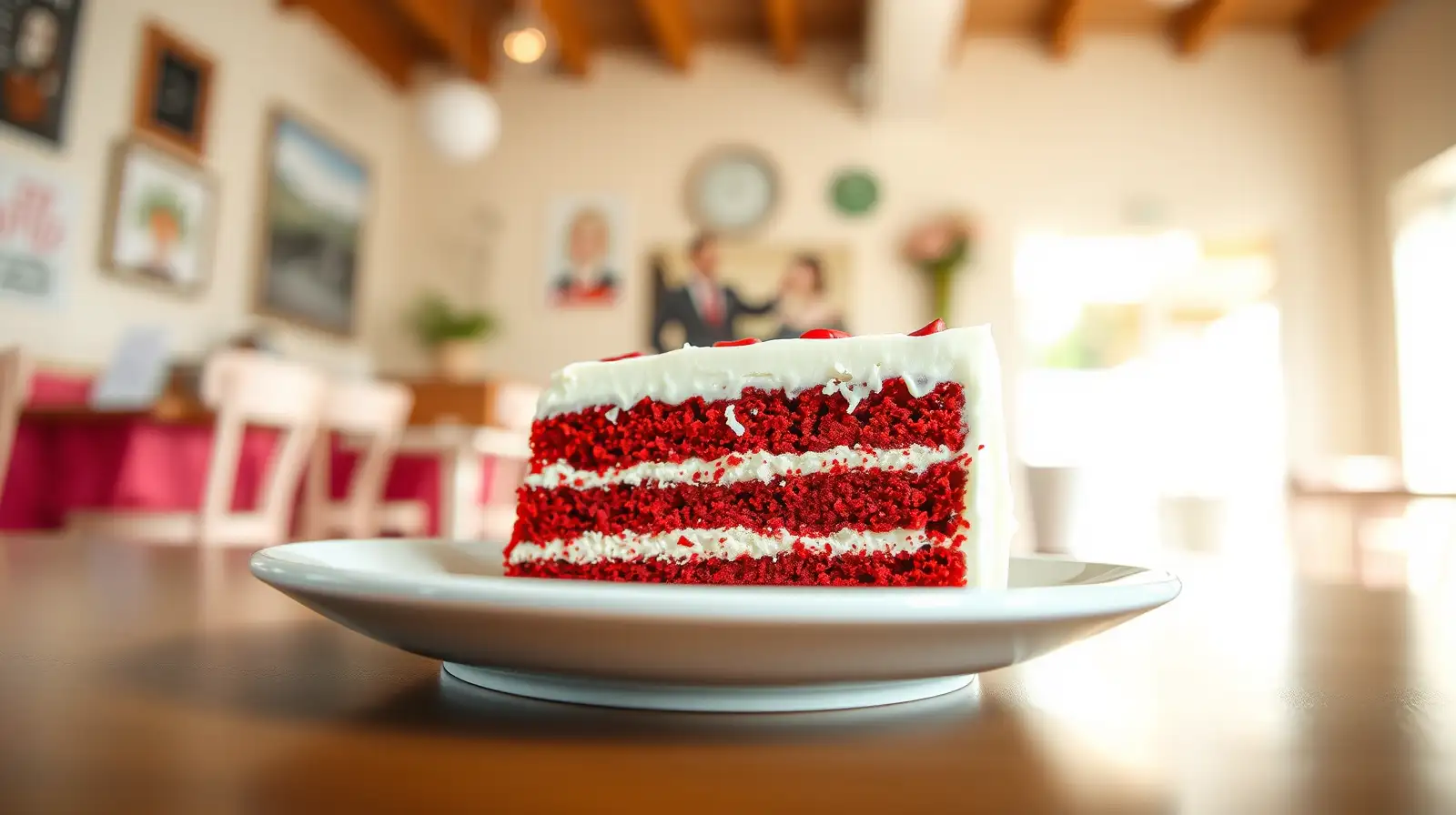
Smell matters too. A cake should have a pleasant bakery aroma, not a sour, oily or artificial smell. If the fragrance feels overly chemical or the cream smells odd, it is safer to avoid it. Among the most useful cake safety tips , trusting freshness clues is one of the simplest.
Colour is another clue. Bright decorative cakes are common, but if the frosting appears unnaturally fluorescent or leaves visible colour on fingers, caution is sensible. This does not prove a cake is unsafe, but it can be one of the fake cake signs worth noticing before purchase.
For bakery display cakes, observe the storage conditions. Cakes with fresh cream should not be left for long in a warm open area. Poor refrigeration, melted frosting, sweating cream or repeated handling can all affect quality. Packaged cake safety starts with basic hygiene and proper storage.
Learning how to identify fake cakes is really about reading the small signals. A careful buyer does not focus only on decoration, but on freshness, cream quality, packaging and hygiene too. Those checks can make the difference between a celebration cake that tastes as good as it looks and one that should never have reached the counter.
Check Freshness Before Admiring Decoration
A heavily decorated cake can sometimes hide a dry sponge or stale base underneath. If you are buying from a bakery counter, look closely at the exposed sponge, cut sections or crumbs around the tray. A fresh cake usually looks moist and soft rather than crumbly, hardened or unevenly dry.Smell matters too. A cake should have a pleasant bakery aroma, not a sour, oily or artificial smell. If the fragrance feels overly chemical or the cream smells odd, it is safer to avoid it. Among the most useful cake safety tips , trusting freshness clues is one of the simplest.
Look Closely At The Cream And Frosting
Cream can reveal a lot about bakery food quality . Fresh frosting should appear smooth, stable and evenly spread, not watery, split or excessively greasy. If the cream looks unusually shiny, rubbery or overly stiff, it may indicate poor handling or low-quality ingredients.Colour is another clue. Bright decorative cakes are common, but if the frosting appears unnaturally fluorescent or leaves visible colour on fingers, caution is sensible. This does not prove a cake is unsafe, but it can be one of the fake cake signs worth noticing before purchase.
Packaging, Labels And Storage Conditions Matter
If you are buying a packaged cake, check whether the box is properly sealed and clearly labelled. A reliable product should mention the manufacturer, ingredients, manufacturing date, best-before date and storage guidance. Missing or vague information is never a good sign.For bakery display cakes, observe the storage conditions. Cakes with fresh cream should not be left for long in a warm open area. Poor refrigeration, melted frosting, sweating cream or repeated handling can all affect quality. Packaged cake safety starts with basic hygiene and proper storage.
Buy From Trusted Sellers, Not Just Attractive Displays
One of the easiest ways to reduce risk is to buy from reputable bakeries, established cake shops or trusted brands rather than unknown outlets offering unusually cheap products. If a cake looks perfect on the outside but raises doubts through smell, texture, labelling or storage, it is best to skip it.Learning how to identify fake cakes is really about reading the small signals. A careful buyer does not focus only on decoration, but on freshness, cream quality, packaging and hygiene too. Those checks can make the difference between a celebration cake that tastes as good as it looks and one that should never have reached the counter.






More from our partners


Loving Newspoint? Download the app now
