
How To Identify Fake Cashews Before You Buy Them

Cashews are prized for their creamy texture, mild sweetness and versatility, making them a popular choice for snacks, desserts and everyday cooking. Yet consumers may sometimes come across kernels that look unusually perfect or fail to match the quality they expect. While genuinely “fake” cashews are uncommon, poor-quality, stale, damaged or artificially treated products can sometimes be mistaken for the real thing. According to food quality experts, checking the appearance, smell, texture and taste can help consumers identify potential warning signs before buying or eating them. A few simple observations can make choosing good-quality cashews easier.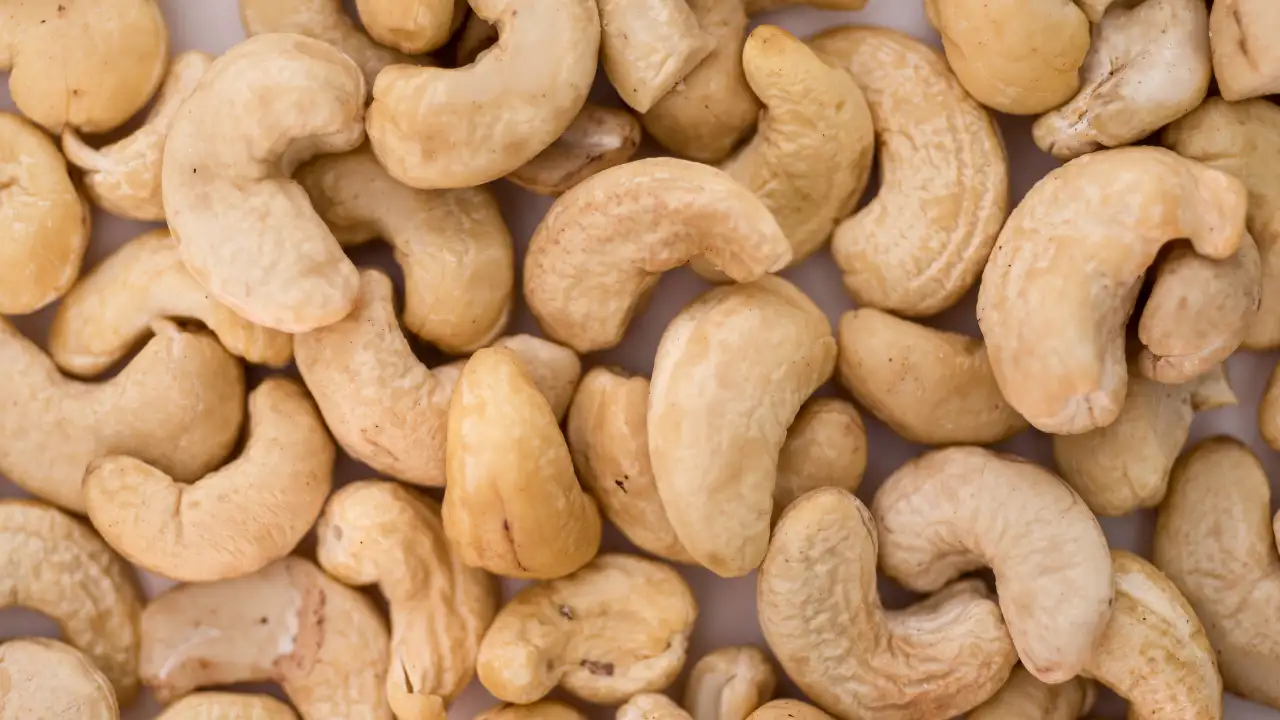
Natural cashews are generally crescent-shaped, although their size and appearance can vary depending on the grade. Kernels that look unusually uniform, excessively smooth or noticeably different from normal cashews may require closer inspection.
Colour is another useful clue when learning how to identify fake cashews . Good-quality cashews usually have a natural creamy, ivory or light golden appearance. An unnaturally bright white colour or excessive shine may indicate heavy processing or polishing. However, colour alone cannot confirm whether cashews are fake or adulterated.
The smell can also reveal problems. Fresh cashews usually have a mild, nutty aroma. A sour, musty, chemical-like or rancid smell is a warning sign that the product may have deteriorated. Industry watchers note that consumers should avoid eating nuts with a clearly unpleasant or unusual odour.
A simple visual and sensory check cannot replace laboratory testing. Still, these observations can help consumers identify suspicious products before making a larger purchase.
Avoid products with visible moisture, insect damage, excessive powder or an unusually strong smell. When buying loose cashews, inspect a small quantity carefully rather than relying only on their appearance. Proper storage in an airtight container away from heat and moisture can also help maintain freshness once the product reaches your kitchen.
Natural cashews are generally crescent-shaped, although their size and appearance can vary depending on the grade. Kernels that look unusually uniform, excessively smooth or noticeably different from normal cashews may require closer inspection.
Colour is another useful clue when learning how to identify fake cashews . Good-quality cashews usually have a natural creamy, ivory or light golden appearance. An unnaturally bright white colour or excessive shine may indicate heavy processing or polishing. However, colour alone cannot confirm whether cashews are fake or adulterated.
You may also like
- Amazon river dolphin: The pink mammal that inspired centuries of myths and legends
- Understanding Seizures in Babies: Causes and Different Types
- Property News: Find out when children cannot claim their father's property; a must-read High Court ruling
- Ration Card: How to get a ration card after separating from your family? Learn the easy way to get a new one.
- High-Paying Career: Want to earn big abroad? Enroll in these courses today.
Check The Texture And Smell
A genuine, good-quality cashew should generally have a firm but crunchy texture. If it feels rubbery, unusually soft, damp or excessively hard, it may be stale, poorly stored or of inferior quality.The smell can also reveal problems. Fresh cashews usually have a mild, nutty aroma. A sour, musty, chemical-like or rancid smell is a warning sign that the product may have deteriorated. Industry watchers note that consumers should avoid eating nuts with a clearly unpleasant or unusual odour.
Try A Small Taste Test
When checking cashew quality, taste can offer another clue. A fresh cashew generally has a mild, creamy and slightly sweet flavour. A bitter, sour or stale taste may indicate rancidity or poor storage.A simple visual and sensory check cannot replace laboratory testing. Still, these observations can help consumers identify suspicious products before making a larger purchase.
Buy From Reliable Sellers
The safest approach is to buy cashews in sealed, properly labelled packaging from trusted retailers. Check the product details, packaging condition and expiry information before purchasing.Avoid products with visible moisture, insect damage, excessive powder or an unusually strong smell. When buying loose cashews, inspect a small quantity carefully rather than relying only on their appearance. Proper storage in an airtight container away from heat and moisture can also help maintain freshness once the product reaches your kitchen.






Loving Newspoint? Download the app now
