
How To Identify Fake Cashews Before You Buy Them

Cashews are prized for their creamy texture, mild sweetness and versatility, making them a popular choice for snacks, desserts and everyday cooking. Yet consumers may sometimes come across kernels that look unusually perfect or fail to match the quality they expect. While genuinely “fake” cashews are uncommon, poor-quality, stale, damaged or artificially treated products can sometimes be mistaken for the real thing. According to food quality experts, checking the appearance, smell, texture and taste can help consumers identify potential warning signs before buying or eating them. A few simple observations can make choosing good-quality cashews easier.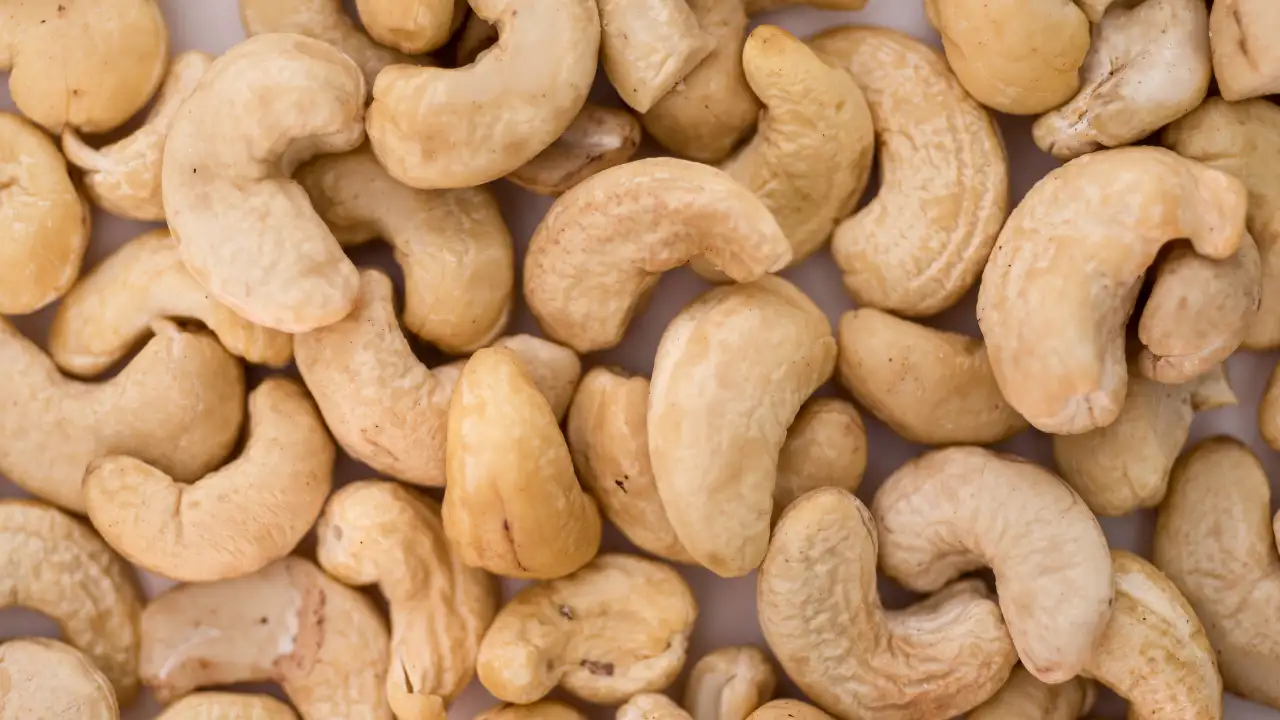
Natural cashews are generally crescent-shaped, although their size and appearance can vary depending on the grade. Kernels that look unusually uniform, excessively smooth or noticeably different from normal cashews may require closer inspection.
Colour is another useful clue when learning how to identify fake cashews . Good-quality cashews usually have a natural creamy, ivory or light golden appearance. An unnaturally bright white colour or excessive shine may indicate heavy processing or polishing. However, colour alone cannot confirm whether cashews are fake or adulterated.
Natural cashews are generally crescent-shaped, although their size and appearance can vary depending on the grade. Kernels that look unusually uniform, excessively smooth or noticeably different from normal cashews may require closer inspection.
Colour is another useful clue when learning how to identify fake cashews . Good-quality cashews usually have a natural creamy, ivory or light golden appearance. An unnaturally bright white colour or excessive shine may indicate heavy processing or polishing. However, colour alone cannot confirm whether cashews are fake or adulterated.
Next Story