
How To Identify Fake Flour (Maida/Atta) Before It Reaches Your Plate – Simple Ways To Check Purity At Home

Flour is one of the most commonly used kitchen staples, making its quality essential for healthy meals. Whether you use whole wheat atta for rotis or maida for baking and snacks, buying pure flour should always be a priority. Unfortunately, cases of food adulteration are not uncommon, and low-quality or fake flour may sometimes be mixed with cheaper substances to increase profits. While such adulteration may not always be visible at first glance, there are several practical ways to assess the quality of flour before using it. Knowing what to look for can help you make informed choices and reduce the risk of bringing impure products into your kitchen.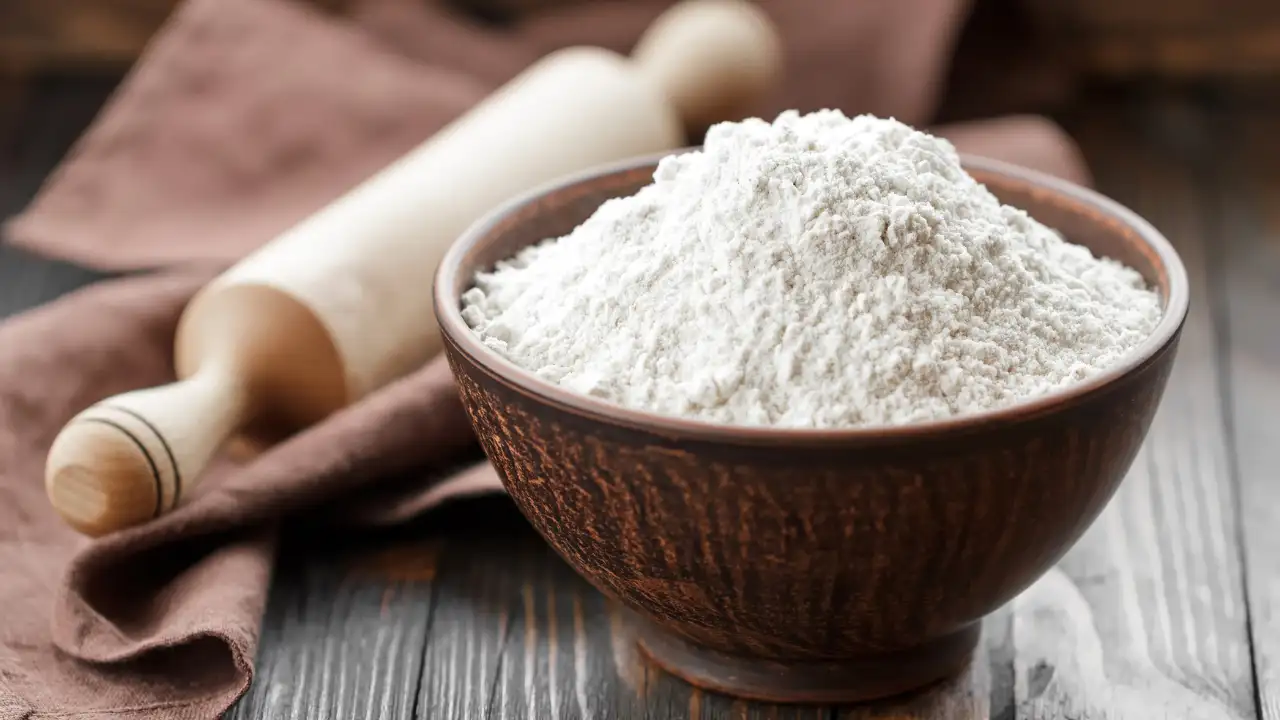
Rub a small amount between your fingers. Pure flour feels soft and smooth without gritty particles. If it feels coarse or contains tiny hard granules, it may contain unwanted impurities.
Always smell flour before transferring it into storage containers, especially if you have purchased it in bulk.
If unusual particles float separately, coloured residues appear or impurities remain suspended for long, it may indicate the presence of foreign materials. Although this is not a laboratory test, it can help detect obvious irregularities.
If the dough becomes unusually sticky, develops an odd smell or the cooked product has an unusual taste or texture despite following your regular recipe, it is worth checking the flour quality.
Avoid buying damaged or unlabelled packs, as improper packaging may increase the chances of contamination.
It is also a good habit to buy flour in quantities that can be consumed within a reasonable period instead of storing large amounts for months.
Being aware of common signs of adulteration and practising careful purchasing habits can help you choose better-quality flour for your family. While simple home observations are useful, they cannot replace scientific laboratory testing. Selecting flour from trusted sellers, checking its appearance and aroma, and storing it correctly remain some of the most effective ways to ensure safer and healthier everyday cooking.
Check The Colour And Texture
The appearance of flour can reveal a lot about its quality. Fresh whole wheat atta generally has a light brown or cream shade, while maida should appear clean, fine and off-white. Flour that looks unusually bright white, greyish or uneven in colour may deserve closer inspection.Rub a small amount between your fingers. Pure flour feels soft and smooth without gritty particles. If it feels coarse or contains tiny hard granules, it may contain unwanted impurities.
Notice The Smell
Fresh flour has a mild, pleasant grain-like aroma. If you notice a sour, musty or chemical smell, avoid using it. An unpleasant odour could indicate poor storage, spoilage or contamination.Always smell flour before transferring it into storage containers, especially if you have purchased it in bulk.
You may also like
- Word of the day: Bibliotaph
- Quote of the day by Leonardo da Vinci: “The painter who draws merely by practice and by eye, without any reason, is like a mirror which copies everything placed in front of it without being conscious of their existence”
- Babies Born With Teeth: Is It Normal and What Does It Mean?
- Messi becomes first to score in 7 straight World Cup games while extending goals record
- Intense rain and heat wave threat at once: IMD issues fresh weather warning for multiple states; what travellers need to know
Perform A Simple Water Test
A quick household test can offer useful clues. Add a spoonful of flour to a glass of clean water without stirring immediately. Pure flour generally absorbs water gradually and settles after some time.If unusual particles float separately, coloured residues appear or impurities remain suspended for long, it may indicate the presence of foreign materials. Although this is not a laboratory test, it can help detect obvious irregularities.
Watch For Unusual Behaviour While Cooking
The way flour behaves during cooking can also indicate its quality. Pure atta forms smooth dough with normal water absorption and produces soft rotis. Similarly, good-quality maida creates consistent dough for baking.If the dough becomes unusually sticky, develops an odd smell or the cooked product has an unusual taste or texture despite following your regular recipe, it is worth checking the flour quality.
Buy From Trusted Sources
One of the easiest ways to reduce the risk of buying fake flour is to purchase from reliable brands or trusted local mills with good hygiene practices. Check the packaging carefully for manufacturing and expiry dates, proper sealing and quality certification where applicable.Avoid buying damaged or unlabelled packs, as improper packaging may increase the chances of contamination.
Store Flour Properly
Even pure flour can lose its quality if stored incorrectly. Keep atta and maida in clean, airtight containers away from moisture, heat and direct sunlight. Proper storage helps maintain freshness and prevents insect infestation and fungal growth.It is also a good habit to buy flour in quantities that can be consumed within a reasonable period instead of storing large amounts for months.
Being aware of common signs of adulteration and practising careful purchasing habits can help you choose better-quality flour for your family. While simple home observations are useful, they cannot replace scientific laboratory testing. Selecting flour from trusted sellers, checking its appearance and aroma, and storing it correctly remain some of the most effective ways to ensure safer and healthier everyday cooking.






More from our partners


Loving Newspoint? Download the app now
