
How To Identify Fake Rice At Home With Simple Checks

Rice is a staple food in millions of households, making its quality an important concern for consumers. From time to time, rumours and social media posts about fake rice create confusion and raise questions about food safety. While confirmed cases of artificial rice are rare in most markets, it is still useful to know how to examine the rice you buy and recognise signs of poor quality or adulteration.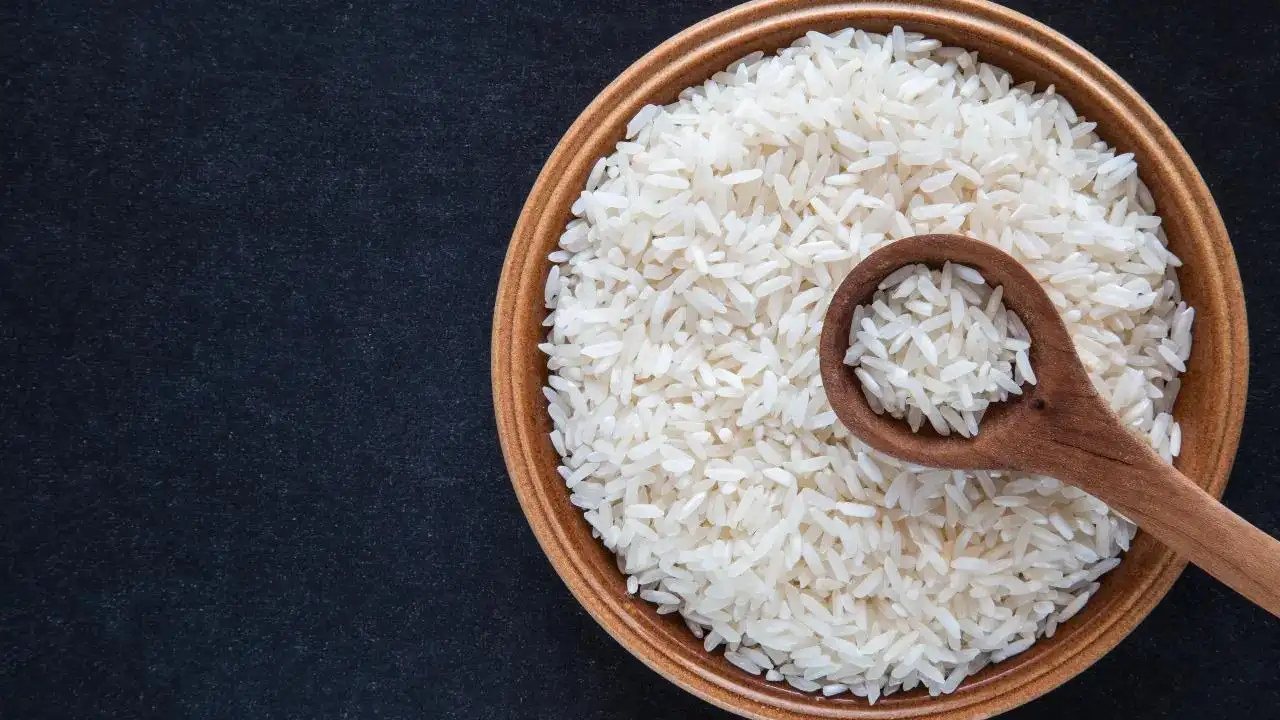
Rather than relying on viral claims, consumers should focus on simple observations and sensible buying habits. Here are a few practical ways to assess rice before cooking and while preparing meals.
Good-quality rice should also be free from dirt, stones and unusual particles. If the grains have an unnatural shine or a plastic-like appearance, it is advisable to avoid using them until you are confident about their quality.
An unpleasant smell may indicate contamination, poor storage conditions or quality issues. Trusting your senses can often help identify products that are not suitable for consumption.
However, this test alone cannot confirm whether rice is fake, as factors such as broken grains, trapped air or specific rice varieties can also influence the result.
Similarly, if the cooked rice has an unusual texture that feels rubbery or does not resemble the expected consistency of that variety, it is worth investigating further before consuming it regularly.
If you buy loose rice, choose retailers with a good reputation for maintaining quality and hygiene. Avoid products that appear damaged, contaminated or suspiciously cheap compared to the usual market price.
Before cooking, inspect the rice for insects, mould or any unusual changes in appearance. Discard the product if it shows clear signs of spoilage.
If you ever suspect that a rice product is unsafe or significantly different from what you purchased earlier, avoid consuming it and seek guidance from the appropriate food safety authorities or the seller.
Being aware of basic food safety tips and knowing how to identify fake rice can help consumers make better choices. Careful inspection, proper storage and buying from reliable sellers remain the most effective ways to ensure the rice reaching your plate is safe and of good quality.
Rather than relying on viral claims, consumers should focus on simple observations and sensible buying habits. Here are a few practical ways to assess rice before cooking and while preparing meals.
Look Closely At The Appearance
The first step is to examine the grains carefully. Genuine rice usually has a natural variation in size, shape and colour, depending on the variety. If every grain appears exactly identical with an unusually glossy finish, it may deserve a closer look.Good-quality rice should also be free from dirt, stones and unusual particles. If the grains have an unnatural shine or a plastic-like appearance, it is advisable to avoid using them until you are confident about their quality.
Check The Smell
Fresh rice has a mild, natural aroma, although the fragrance differs between varieties. If the rice gives off a strong chemical, plastic-like or unusual odour, it should not be consumed.An unpleasant smell may indicate contamination, poor storage conditions or quality issues. Trusting your senses can often help identify products that are not suitable for consumption.
Observe How The Rice Behaves In Water
One commonly discussed home method involves placing a small quantity of uncooked rice in a bowl of water. Genuine rice generally sinks because of its density. If a large number of grains float consistently, it could indicate the presence of impurities or poor-quality grains.However, this test alone cannot confirm whether rice is fake, as factors such as broken grains, trapped air or specific rice varieties can also influence the result.
Pay Attention During Cooking
Cooking can reveal several clues about rice quality. Genuine rice softens evenly and develops its normal texture and aroma. If the rice remains unusually hard after proper cooking, has an odd smell or forms an excessively sticky mass without explanation, it may indicate poor quality.You may also like
- Avoid These Common Mistakes After Eating—They Could Harm Your Digestion and Overall Health
- Beyond Ginger Tea: 5 Delicious Ginger Recipes That Deserve a Spot on Your Plate
- Planning an Australia Trip for Two? Here's a Complete Budget Breakdown from Flights to Hotels
- 5 Healthy Bedtime Habits That Can Help You Wake Up Refreshed and Stay Energized All Day
- e-Challan Rules: Received an incorrect e-challan? Don't panic; here is the complete online process to get it cancelled.
Similarly, if the cooked rice has an unusual texture that feels rubbery or does not resemble the expected consistency of that variety, it is worth investigating further before consuming it regularly.
Buy From Trusted Sellers
One of the simplest ways to reduce the risk of poor-quality food is to purchase rice from reliable shops and established brands. Always check the packaging for proper sealing, manufacturing details and expiry information where applicable.If you buy loose rice, choose retailers with a good reputation for maintaining quality and hygiene. Avoid products that appear damaged, contaminated or suspiciously cheap compared to the usual market price.
Store Rice Properly At Home
Even genuine rice can lose its quality if stored incorrectly. Keep rice in a clean, dry and airtight container to protect it from moisture, insects and contamination. Proper storage helps preserve the grain's taste, texture and freshness for a longer period.Before cooking, inspect the rice for insects, mould or any unusual changes in appearance. Discard the product if it shows clear signs of spoilage.
Don't Rely On Viral Myths Alone
Many online videos claim to prove the presence of fake rice using dramatic experiments. However, several of these demonstrations lack scientific evidence and can be misleading. Instead of depending on viral trends, use practical observations and purchase food from trustworthy sources.If you ever suspect that a rice product is unsafe or significantly different from what you purchased earlier, avoid consuming it and seek guidance from the appropriate food safety authorities or the seller.
Being aware of basic food safety tips and knowing how to identify fake rice can help consumers make better choices. Careful inspection, proper storage and buying from reliable sellers remain the most effective ways to ensure the rice reaching your plate is safe and of good quality.






Loving Newspoint? Download the app now
