
How to Identify Fake Saffron and Make Sure You're Buying the Real Spice

Saffron is prized for its rich aroma, vibrant colour and unique flavour, but its high price has also made it one of the most commonly adulterated spices. Counterfeit products may contain dyed fibres, coloured corn silk or other plant materials that closely resemble genuine saffron threads. According to food safety experts, laboratory analysis remains the most reliable way to verify authenticity, but there are several simple checks consumers can carry out at home. By paying attention to appearance, fragrance and behaviour in water, buyers can significantly reduce the chances of purchasing fake saffron .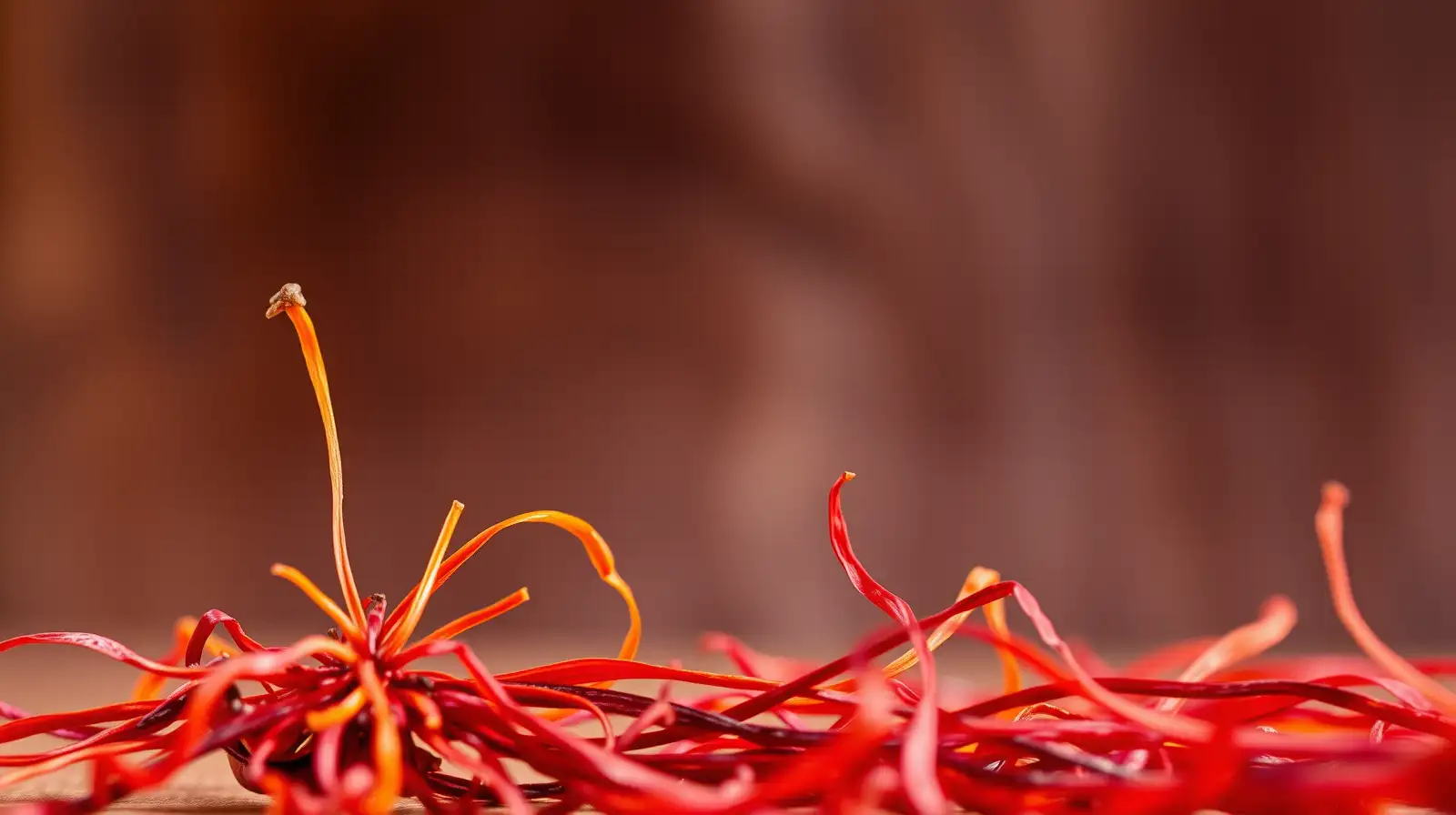
Experts advise being cautious if every strand looks perfectly identical, unusually smooth or brightly coloured throughout, as these may indicate imitation products.
According to industry observers, fake saffron often lacks this complex aroma or carries a chemical scent caused by artificial colouring or flavouring.
Examine the Threads Closely
Authentic saffron consists of the dried stigmas of the saffron crocus flower. Each thread is trumpet-shaped, slightly wider at one end and narrower at the other. The strands are usually deep crimson with subtle orange-red tones near the tips.Experts advise being cautious if every strand looks perfectly identical, unusually smooth or brightly coloured throughout, as these may indicate imitation products.
Check the Aroma
Genuine saffron has a distinctive fragrance that combines floral, earthy and slightly honey-like notes. It should never smell overly sweet or resemble artificial perfume.According to industry observers, fake saffron often lacks this complex aroma or carries a chemical scent caused by artificial colouring or flavouring.
Next Story