
How To Identify Fake Soya Chunks Before Adding Them To Your Meals

Soya chunks have become a familiar ingredient in Indian kitchens, particularly among people looking for an inexpensive and convenient source of plant-based protein. They are commonly added to curries, pulao, biryani and snacks because they absorb flavours well and develop a meaty texture after soaking. But not every packet or loose product necessarily offers the same quality. Experts generally advise consumers to pay attention to the product’s appearance, smell, texture and packaging before buying it. Although home checks cannot conclusively establish whether soya chunks have been adulterated or replaced with another material, they can help consumers notice unusual characteristics and avoid questionable products.
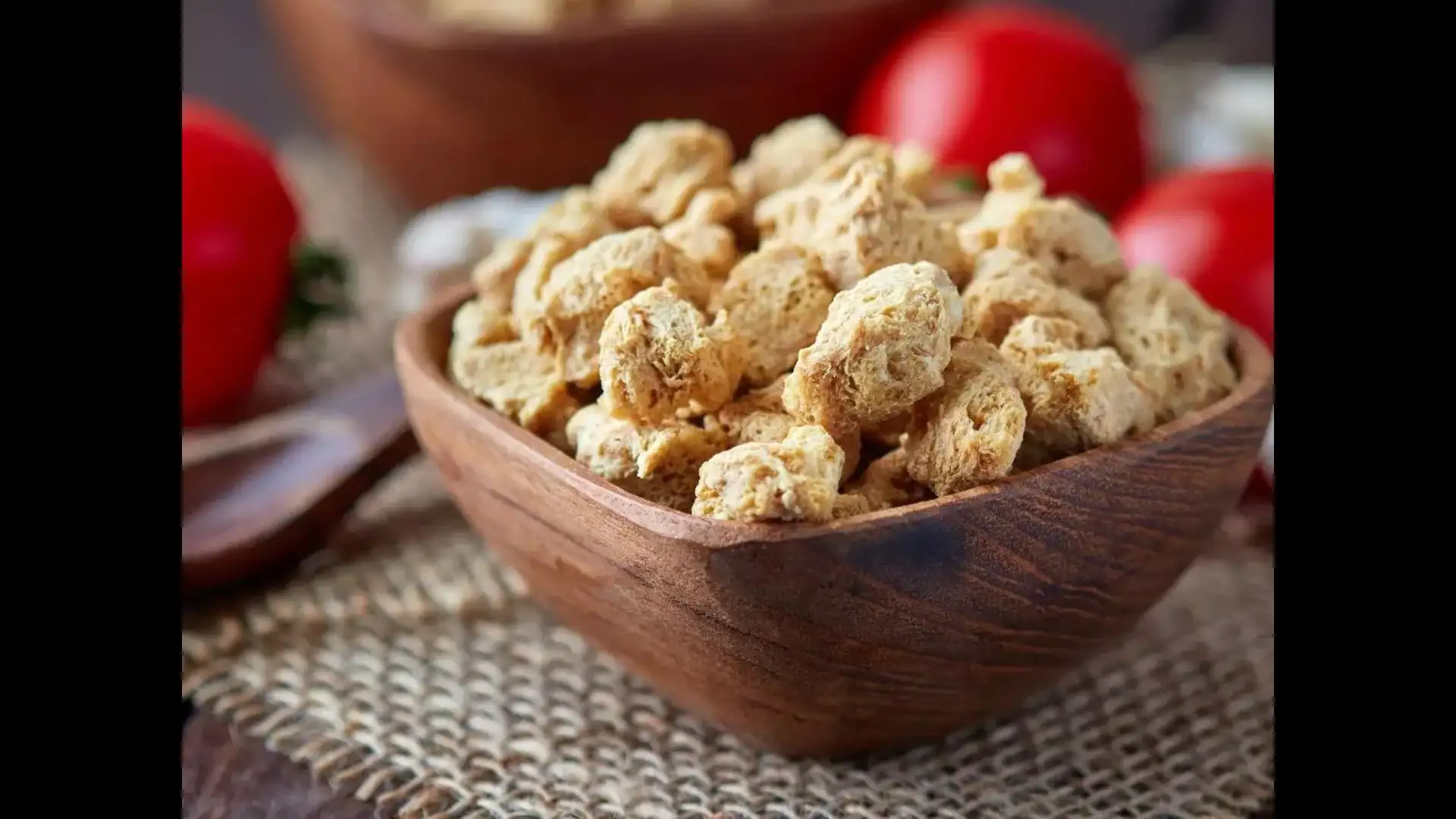
Check The Colour And Appearance
Good-quality soya chunks generally have a light cream, beige or pale yellow appearance, depending on the product and manufacturing process. Extremely bright, unnatural colouring or significant variation between pieces may warrant caution.Look closely for excessive powder, strange spots, mould-like growth or visible contamination. If the product is packaged, check that the packet is properly sealed and that the ingredients, manufacturer details, batch information and date markings are clearly printed.
You may also like
- Fatty liver in women: One in three working women is at risk of fatty liver; why does fat accumulate in the liver without drinking alcohol?
- Health Tips: How is fenugreek beneficial for us? Even 1 teaspoon of fenugreek can be a blessing
- Tourist? Nah, I've already been here… on reels!
- Quote of the Day by Herman Melville, "There are certain queer times and occasions in life when a man takes this whole...."
- Meet Mumbai's Spider-Man, who can be seen on the streets every weekend, not saving the city but doing something really worthwhile
Pay Attention To Smell And Texture
Before cooking, soya chunks usually have a mild, characteristic soy or cereal-like smell. A strong chemical odour, rancid smell or any distinctly unpleasant aroma is a reason to avoid the product.Texture can provide another useful clue. Once soaked in water, good-quality soya chunks should become soft and spongy while retaining their shape. According to food-quality experts, chunks that remain unusually hard, become excessively slimy or disintegrate abnormally may indicate poor quality, although texture alone cannot prove adulteration.
Observe Them After Soaking And Cooking
Place a few chunks in clean water and observe how they change. Genuine soya chunks normally absorb water and increase in size, becoming softer and easier to chew. They should also have a reasonably consistent texture throughout.Be cautious about viral home tests that claim to definitively identify 'fake' soya chunks through burning, boiling or other dramatic reactions. Such methods are not reliable substitutes for laboratory analysis and may produce misleading results.
The safest approach is to buy soya chunks from reputable manufacturers or trusted retailers, preferably in properly sealed packaging. If a product looks, smells or behaves unusually, avoid consuming it and retain the packaging if you intend to report a suspected quality or adulteration issue.
Image Courtesy: Meta AI






Loving Newspoint? Download the app now
