
How to Identify Fresh Green Coconut: 6 Easy Tips to Avoid Buying Spoiled Ones

Green coconut is a popular choice for staying refreshed, especially during hot and humid weather. Knowing how to identify fresh green coconut can help you choose a good-quality one and avoid coconuts that are old, spoiled or artificially coloured to look fresh. Coconut water contains electrolytes, including potassium, along with other minerals that help support normal body functions. However, not every green coconut sold in the market is equally fresh. By checking its colour, weight, outer surface and other physical signs, you can make a better choice when buying coconut water.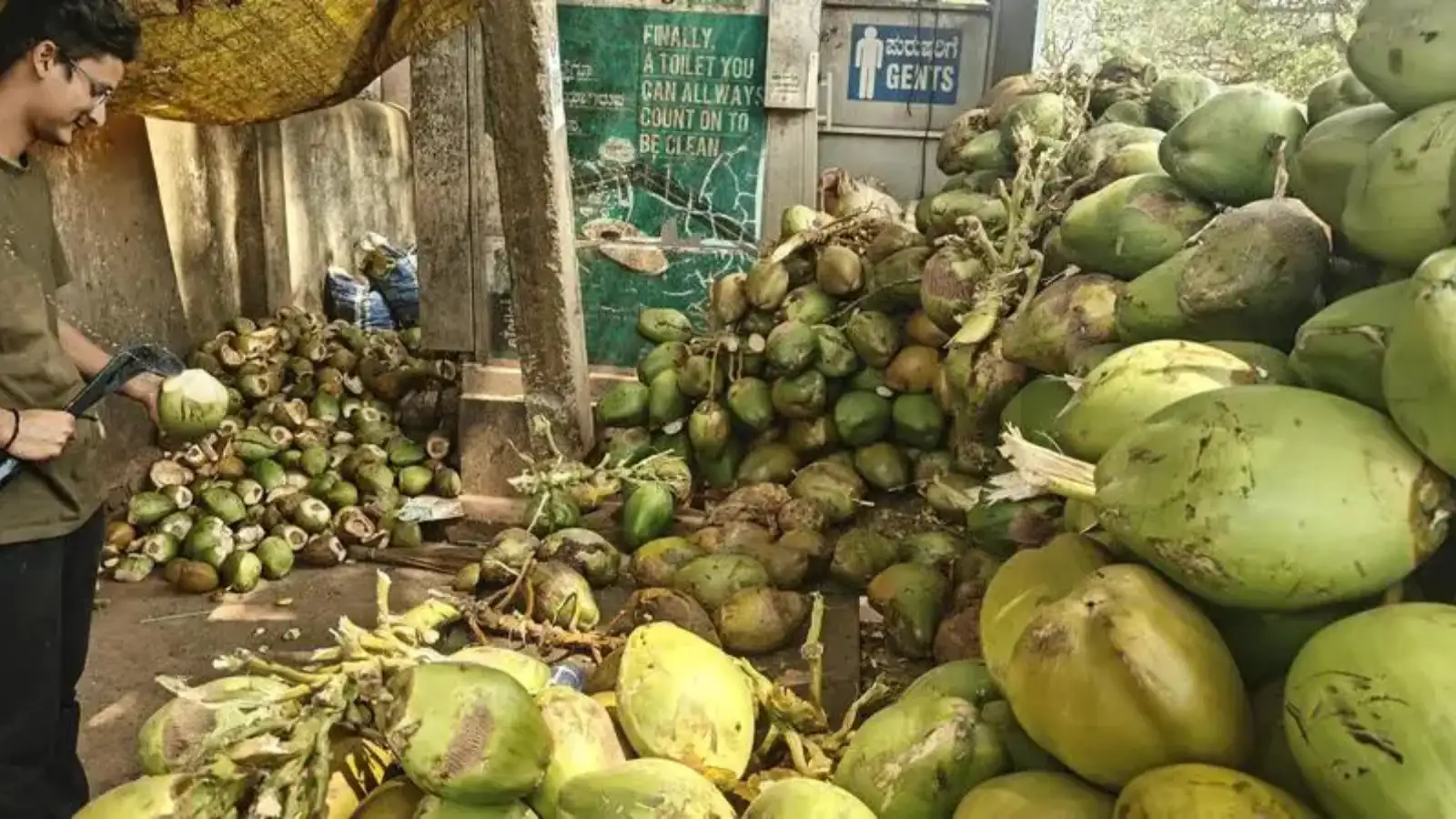
Be cautious if the coconut looks unusually glossy or has an unnaturally uniform colour. Some coconuts may be treated or coloured to improve their appearance. However, colour alone cannot confirm whether a coconut is fresh or artificially coloured, so check other signs before buying it.
On the other hand, a coconut that feels unusually light could have lost some of its water or may be older. If you are buying several coconuts, comparing similarly sized ones can help you identify differences. Still, weight is only a preliminary indicator and cannot guarantee freshness on its own.
You may hear the sound of water moving inside, which is generally normal. However, the amount of sound can vary depending on the coconut's maturity and internal structure. A faint sound does not automatically mean that the coconut is spoiled or contains very little water.
For a better assessment, combine this simple test with the coconut's weight and external appearance rather than relying on sound alone.
Pay attention to the following warning signs:
Look for signs of mould, unusual moisture, soft spots or visible decay around the eyes. A coconut with damaged or deteriorating areas may not be suitable for consumption.
The eyes can provide useful clues, but their appearance alone is not enough to establish whether the water inside is safe to drink. If the coconut has an unusual smell, visible mould or other signs of spoilage, it is best to avoid it.
If possible, choose coconuts that have not been left exposed to unsuitable conditions for extended periods. Avoid buying damaged coconuts or those showing signs of deterioration, even if their outer colour looks attractive.
You can also ask the seller about the stock's freshness and request that the coconut be opened in front of you. Once opened, check the water for an unusual smell, unexpected appearance or other signs of spoilage before drinking it.
1. Check the Natural Colour
The colour of a green coconut can offer useful clues about its condition. A fresh coconut may have a naturally green outer covering, sometimes with yellowish, whitish or brown patches. These variations are not necessarily signs of poor quality.Be cautious if the coconut looks unusually glossy or has an unnaturally uniform colour. Some coconuts may be treated or coloured to improve their appearance. However, colour alone cannot confirm whether a coconut is fresh or artificially coloured, so check other signs before buying it.
2. Pick It Up to Check the Weight
One of the easiest ways to identify a potentially fresh green coconut is to compare its weight with its size. A coconut that feels relatively heavy for its size may contain a good amount of water.On the other hand, a coconut that feels unusually light could have lost some of its water or may be older. If you are buying several coconuts, comparing similarly sized ones can help you identify differences. Still, weight is only a preliminary indicator and cannot guarantee freshness on its own.
3. Shake the Coconut Gently
Wondering how to check whether a green coconut has enough water inside? Gently shake it near your ear and listen.You may hear the sound of water moving inside, which is generally normal. However, the amount of sound can vary depending on the coconut's maturity and internal structure. A faint sound does not automatically mean that the coconut is spoiled or contains very little water.
For a better assessment, combine this simple test with the coconut's weight and external appearance rather than relying on sound alone.
4. Inspect the Outer Surface for Damage
Before purchasing a green coconut, take a close look at its outer covering. Avoid coconuts with visible cracks, deep cuts, leaking liquid or signs of mould and decay.You may also like
- Psychology says people who keep old messages and photographs may attach meaning to everyday objects; what nostalgia reveals about memory, identity and emotional connections
- Clay Mask vs Sheet Mask: Benefits, Differences and How to Use Them
- IIT Madras graduate Shreeram Gobinath and his co-founders turned a model they built in a hostel room into Modulus Housing, which has now made more than 1,500 foldable buildings that travel to remote parts of India
- Why Flight Attendants Keep Their Hands Under Their Thighs During Flights
- When the Gut Speaks Up: Understanding IBS, the Everyday Struggle Few Talk About
Pay attention to the following warning signs:
- Cracks or cuts: Damage may allow contaminants to enter the coconut.
- Liquid leakage: This can indicate physical damage or deterioration.
- Mould growth: Visible mould, particularly around damaged areas, is a reason to avoid the coconut.
- Unusual dark or soft patches: These may indicate damage or spoilage, especially when accompanied by an unpleasant smell.
5. Examine the Three Eyes of the Coconut
The three small, round marks at one end of a coconut are commonly known as its eyes. These areas deserve attention when checking the coconut's condition.Look for signs of mould, unusual moisture, soft spots or visible decay around the eyes. A coconut with damaged or deteriorating areas may not be suitable for consumption.
The eyes can provide useful clues, but their appearance alone is not enough to establish whether the water inside is safe to drink. If the coconut has an unusual smell, visible mould or other signs of spoilage, it is best to avoid it.
6. Buy From a Trusted Seller
Choosing the right seller is just as important as inspecting the coconut itself. Buy from vendors who maintain clean surroundings and appear to handle and store their produce properly.If possible, choose coconuts that have not been left exposed to unsuitable conditions for extended periods. Avoid buying damaged coconuts or those showing signs of deterioration, even if their outer colour looks attractive.
You can also ask the seller about the stock's freshness and request that the coconut be opened in front of you. Once opened, check the water for an unusual smell, unexpected appearance or other signs of spoilage before drinking it.
How to Choose a Fresh Green Coconut: Quick Checklist
Before paying for a green coconut, remember these simple checks:- Check that its colour looks natural, without relying on colour alone.
- Compare its weight with that of similarly sized coconuts.
- Shake it gently to listen for the movement of water.
- Look for cracks, leakage, mould and signs of decay.
- Inspect the three eyes for damage or deterioration.
- Buy from a clean, reliable vendor.






Loving Newspoint? Download the app now
