
Why Sweet Potatoes Deserve a Place in Your Everyday Diet

Sweet potatoes are popular for their naturally sweet flavour, soft texture and versatility in the kitchen. Available in different colours, they can be used in snacks, curries, soups and main meals. They are also a useful source of energy and several nutrients, making them a practical ingredient for everyday cooking.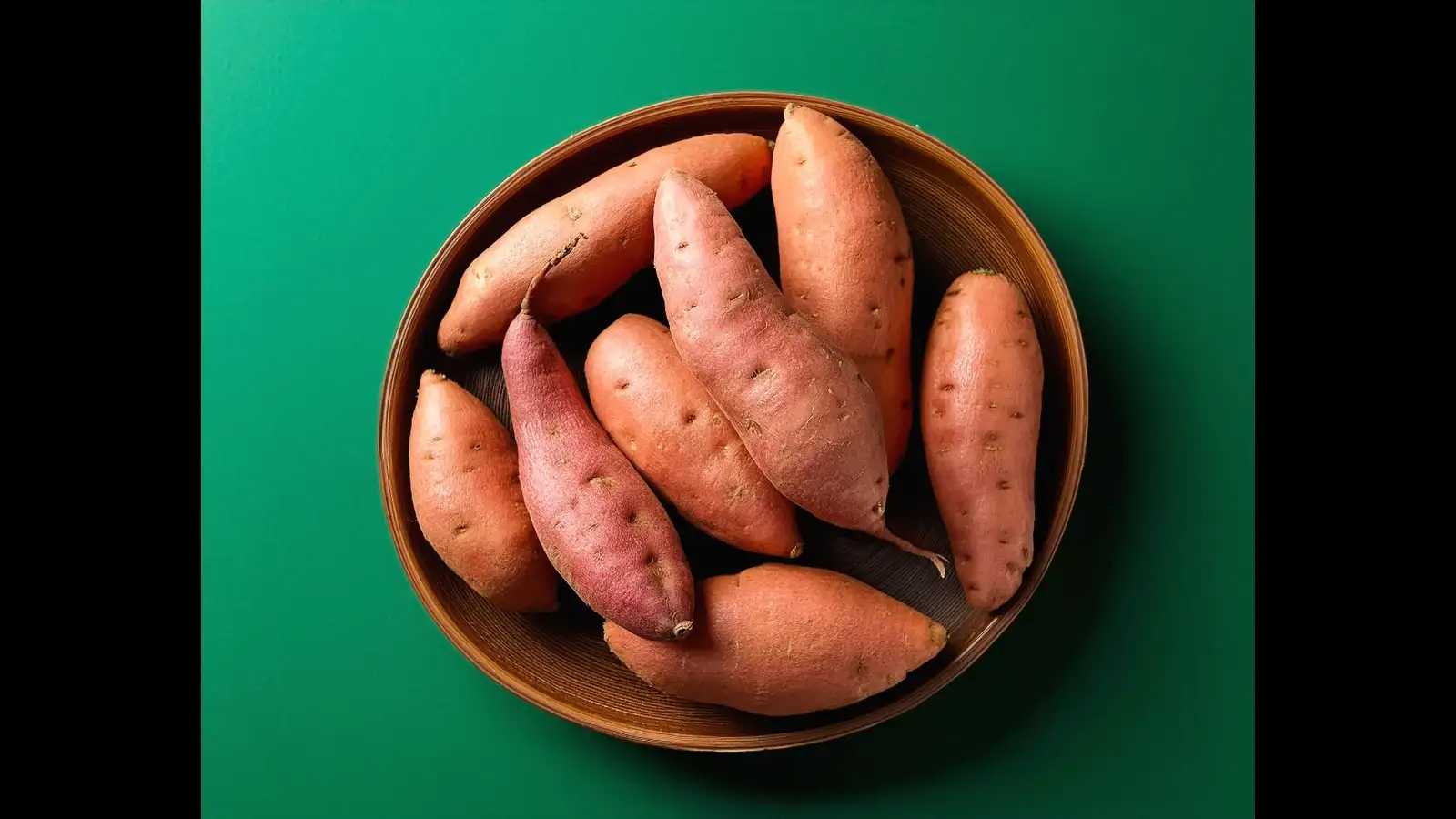
Although sweet potatoes are sometimes compared with regular potatoes, they have a different nutritional profile. Their exact nutrient content depends on the variety, size and cooking method.
Fibre contributes to normal bowel function and can help meals feel more satisfying. Including fibre-rich vegetables alongside whole grains, pulses and fruit is a useful way to improve dietary variety.
Boiled or roasted sweet potatoes can be served as part of a meal rather than automatically treated as a snack or dessert. Pairing them with protein-rich foods, such as dal, beans, curd or tofu, can make a meal more balanced.
The amount of beta-carotene varies with the variety. Purple and white sweet potatoes have different pigment profiles, so their nutritional composition is not identical.
Eating sweet potatoes does not guarantee protection against eye problems or infections. Their value lies in contributing useful nutrients as part of a varied diet.
Roasting develops a sweeter flavour, while steaming often produces a soft texture without requiring much added fat.
If you prefer to eat the skin, scrub the vegetable under clean running water before cooking. Remove damaged areas and discard any portions that appear spoiled.
In Indian cooking, sweet potatoes can be added to vegetable curries, lightly spiced stir-fries and soups. Mashed sweet potato can also be used as a filling for wraps or stuffed parathas.
For a quick breakfast, serve boiled sweet potato with curd and a handful of nuts or seeds. Adjust the portions to suit your appetite and overall dietary needs.
Preparation matters too. Deep-frying and adding large amounts of sugar or butter can substantially change a dish's overall nutritional profile.
Enjoying sweet potatoes alongside a variety of vegetables, pulses, fruit and whole grains is a sensible way to benefit from their flavour and nutrients.
Although sweet potatoes are sometimes compared with regular potatoes, they have a different nutritional profile. Their exact nutrient content depends on the variety, size and cooking method.
A Source of Fibre and Carbohydrates
Sweet potatoes provide carbohydrates, which the body uses for energy. They also contain dietary fibre, particularly when the skin is eaten, provided it has been washed thoroughly.Fibre contributes to normal bowel function and can help meals feel more satisfying. Including fibre-rich vegetables alongside whole grains, pulses and fruit is a useful way to improve dietary variety.
Boiled or roasted sweet potatoes can be served as part of a meal rather than automatically treated as a snack or dessert. Pairing them with protein-rich foods, such as dal, beans, curd or tofu, can make a meal more balanced.
Orange Sweet Potatoes Provide Beta-Carotene
Orange-fleshed sweet potatoes contain beta-carotene, a plant pigment that the body can convert into vitamin A. Vitamin A supports normal vision, immune function and the maintenance of healthy skin and other tissues.The amount of beta-carotene varies with the variety. Purple and white sweet potatoes have different pigment profiles, so their nutritional composition is not identical.
Eating sweet potatoes does not guarantee protection against eye problems or infections. Their value lies in contributing useful nutrients as part of a varied diet.
How Cooking Affects Their Nutrition
Boiling, steaming and roasting are all practical ways to prepare sweet potatoes. Boiling can reduce the amount of some water-soluble nutrients, while cooking methods and preparation times can influence the availability of other compounds.Roasting develops a sweeter flavour, while steaming often produces a soft texture without requiring much added fat.
If you prefer to eat the skin, scrub the vegetable under clean running water before cooking. Remove damaged areas and discard any portions that appear spoiled.
Easy Ways to Add Sweet Potatoes to Meals
Boiled sweet potato can be cubed and mixed with lemon juice, coriander and a little cumin for a simple snack. Roasted wedges make a convenient accompaniment to lunch or dinner.In Indian cooking, sweet potatoes can be added to vegetable curries, lightly spiced stir-fries and soups. Mashed sweet potato can also be used as a filling for wraps or stuffed parathas.
For a quick breakfast, serve boiled sweet potato with curd and a handful of nuts or seeds. Adjust the portions to suit your appetite and overall dietary needs.
What Should You Keep in Mind?
Sweet potatoes are nutritious, but no single vegetable supplies every nutrient the body needs. People managing diabetes can include them in a suitable meal plan, paying attention to portion sizes and their individual blood glucose response.Preparation matters too. Deep-frying and adding large amounts of sugar or butter can substantially change a dish's overall nutritional profile.
Enjoying sweet potatoes alongside a variety of vegetables, pulses, fruit and whole grains is a sensible way to benefit from their flavour and nutrients.






Loving Newspoint? Download the app now
