
How To Keep Indoor Plants Healthy Without A Bright Sunny Window

Adding greenery to a home does not always require a sunny balcony or a large window. Some houseplants can adapt to spaces that receive indirect light or remain shaded for much of the day. Choosing suitable varieties is important, but their placement and daily care also influence how well they grow.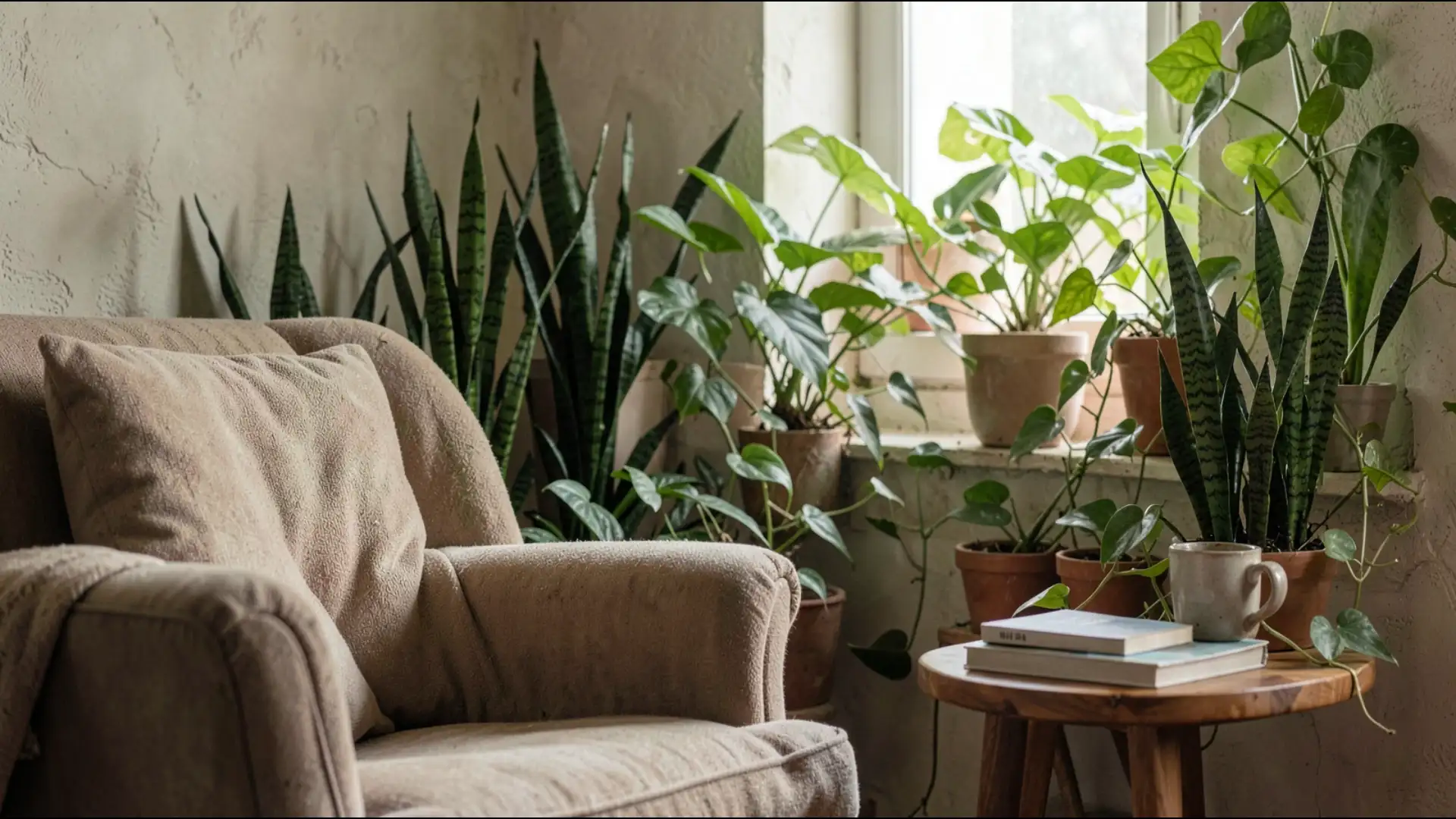
Low-light conditions are often misunderstood. A room that feels bright to a person may still be relatively dim for a plant. Similarly, a plant described as suitable for low light still needs some natural or appropriate artificial light to remain healthy over time.
Peace lilies can adapt to indirect light, although flowering may be reduced when light levels are very low. These plants have different watering and care requirements, so check the needs of each variety before bringing it home.
Avoid assuming that a shaded corner is suitable simply because it is comfortable for people. If the leaves become pale, growth slows considerably or stems stretch towards a window, the plant may need a brighter position.
Use pots with drainage holes and empty excess water from the outer container or saucer. If the soil remains soggy for long periods, roots may become damaged. A well-draining potting mix suitable for the plant can help prevent this problem.
Turn pots occasionally if growth is leaning towards one direction. Remove dead leaves and check for pests, particularly around the undersides of leaves and near new growth. Do not move plants suddenly from a dim corner into strong direct sunlight, as this may damage their leaves.
Low-light indoor plants can bring greenery into less sunny parts of a home, but they still need appropriate care. Select varieties suited to the available conditions, check the soil before watering and adjust their position if growth begins to weaken.
Low-light conditions are often misunderstood. A room that feels bright to a person may still be relatively dim for a plant. Similarly, a plant described as suitable for low light still needs some natural or appropriate artificial light to remain healthy over time.
Choose suitable varieties
The snake plant is a popular indoor option because it tolerates lower-light conditions and does not need frequent watering. Pothos is another adaptable choice, with trailing stems that work well on shelves or in hanging planters. The ZZ plant is also known for handling indoor conditions with relatively modest light.Peace lilies can adapt to indirect light, although flowering may be reduced when light levels are very low. These plants have different watering and care requirements, so check the needs of each variety before bringing it home.
Assess the available light
Observe the room at different times of the day. Notice whether daylight reaches the intended spot directly, indirectly or barely at all. A plant placed several metres away from a window may receive considerably less light than one positioned close to it.You may also like
- Rally Casts a Shadow on Diwali Shopping; Delhi Sees a Loss of ₹10,000 Crore
- Who is Dave Obelkevich? Meet the 83-year-old runner, set to complete his 50th NYC Marathon on the race's 50th anniversary
- LPG Demand in the Country Drops by 12%, While Demand for Petrol and Diesel Rise
- SBI's excellent FD schemes: Invest once and receive a fixed monthly income..
- A major gift from EPFO: Now get full updates on your PF account via a single WhatsApp message—learn the process here..
Avoid assuming that a shaded corner is suitable simply because it is comfortable for people. If the leaves become pale, growth slows considerably or stems stretch towards a window, the plant may need a brighter position.
Avoid overwatering
Plants in dimmer locations often use water more slowly than those growing in brighter spots. Following a fixed watering schedule can therefore leave the soil constantly wet. Check the moisture level before watering and consider the needs of the individual plant.Use pots with drainage holes and empty excess water from the outer container or saucer. If the soil remains soggy for long periods, roots may become damaged. A well-draining potting mix suitable for the plant can help prevent this problem.
Keep leaves clean and inspect growth
Dust can collect on broad leaves and make them look dull. Wipe them gently with a soft, damp cloth when necessary. Avoid using household cleaning sprays or artificial leaf-shining products.Turn pots occasionally if growth is leaning towards one direction. Remove dead leaves and check for pests, particularly around the undersides of leaves and near new growth. Do not move plants suddenly from a dim corner into strong direct sunlight, as this may damage their leaves.
Low-light indoor plants can bring greenery into less sunny parts of a home, but they still need appropriate care. Select varieties suited to the available conditions, check the soil before watering and adjust their position if growth begins to weaken.






Loving Newspoint? Download the app now
