
Simple Ways to Keep Your Pets Warm and Comfortable in Winter

Winter can be comfortable for some pets, but lower temperatures can also make dogs and cats vulnerable to cold, particularly puppies, kittens, older animals and pets with health problems. Short-haired and smaller breeds may also become uncomfortable more quickly than pets with thick coats.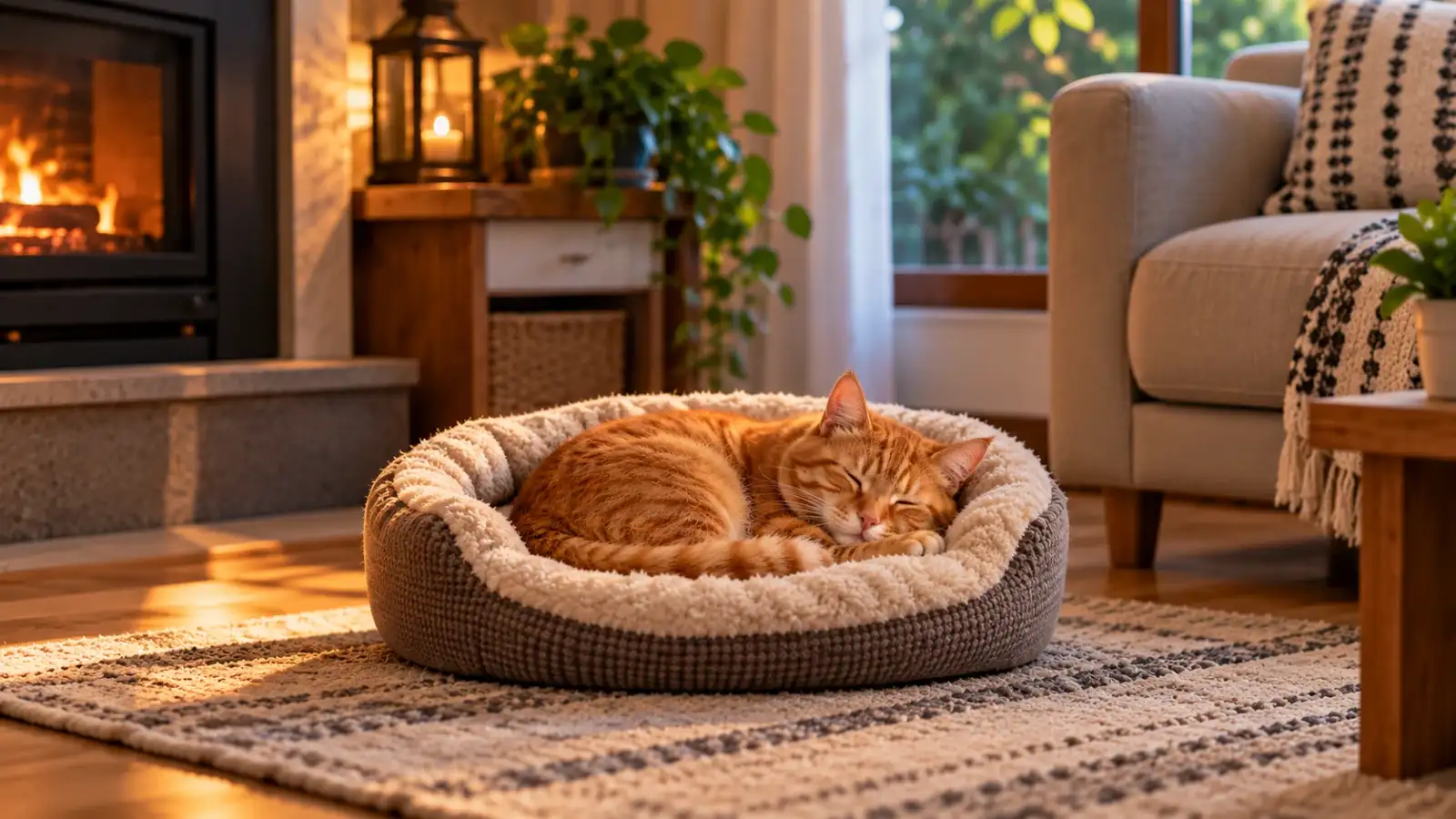
Keeping pets warm during winter does not necessarily require complicated changes. A comfortable sleeping area, suitable nutrition, protection from cold surfaces and attention to changes in behaviour can make a significant difference.
A thick blanket or suitable pet bed can provide insulation, while raised beds can be useful in homes with particularly cold floors. Make sure the sleeping area remains dry and is positioned away from open windows or doors.
Pets should always be able to move away from a heat source if they become too warm.
If your dog gets wet during a walk, dry its coat thoroughly when you return home. Pay attention to the paws, belly and areas where moisture can remain trapped.
Cats that spend time outdoors should also have access to a dry, sheltered place where they can warm up.
On particularly cold days, shorter walks combined with indoor play may be more comfortable. Watch your dog's behaviour rather than assuming it needs to remain outside for the usual amount of time.
If your dog starts shivering, lifting its paws repeatedly or trying to turn back, bring it indoors and warm it gradually.
After outdoor walks, check your dog's paws and clean them gently if necessary. Look between the toes for trapped dirt, moisture or small pieces of debris.
Some dogs may benefit from properly fitted protective footwear, although they should be introduced gradually and only if the dog is comfortable wearing them.
Keep pets away from exposed heaters, fireplaces, heating elements and electrical cables. Animals can accidentally burn themselves or knock equipment over.
Never place a pet bed directly against a heater. The sleeping area should be warm but not excessively hot.
Puppies and kittens may need additional warmth, while older pets may become less comfortable in cold conditions, particularly if they have mobility problems.
If your pet has an existing medical condition, ask your veterinarian whether winter requires any specific changes to its routine or environment.
Remove mats and tangles because they can trap moisture and make the coat less effective at providing protection.
Avoid shaving a pet's coat unnecessarily during cold weather. The appropriate grooming routine depends on the animal, breed and coat type.
Indoor heating can contribute to a dry environment, while pets spending time outdoors may have difficulty accessing clean water if containers become dirty or frozen in very cold climates.
Check water bowls regularly and replace stale or contaminated water.
Indoor pets may actually become less active during winter, making unnecessary extra calories more likely to contribute to weight gain.
Keep your pet's diet appropriate for its age, activity level and health. Speak to a veterinarian before making significant dietary changes.
Dogs can play with puzzle toys, practise commands, search for hidden treats or take part in short indoor games. Cats can use climbing structures, interactive toys and supervised play sessions to stay active.
Mental stimulation is particularly useful when outdoor exercise needs to be reduced.
Shivering, weakness, unusual tiredness, difficulty moving, seeking warmth excessively or changes in normal behaviour can indicate that a pet is uncomfortable or becoming too cold.
If you are concerned about your pet's condition, move it to a warm environment and contact a veterinarian, particularly if symptoms are severe, persistent or accompanied by weakness or breathing difficulties.
Do not assume that an animal can tolerate cold simply because it has fur. Temperature tolerance varies according to species, breed, coat, age, body condition and health.
During particularly cold weather, bringing pets indoors is generally the safer option when possible.
Provide a warm sleeping space, keep coats and paws dry, maintain access to fresh water and adjust outdoor activities when conditions become uncomfortable. Puppies, kittens, older pets and animals with health concerns may need additional attention.
Most importantly, observe your pet. If it appears unusually cold, uncomfortable or unwell, do not rely on a blanket or heating alone. Move it to a suitable environment and seek veterinary advice when necessary.
Keeping pets warm during winter does not necessarily require complicated changes. A comfortable sleeping area, suitable nutrition, protection from cold surfaces and attention to changes in behaviour can make a significant difference.
Create a Warm Sleeping Area
Give your pet a dry, comfortable place to sleep away from cold floors and direct drafts.A thick blanket or suitable pet bed can provide insulation, while raised beds can be useful in homes with particularly cold floors. Make sure the sleeping area remains dry and is positioned away from open windows or doors.
Pets should always be able to move away from a heat source if they become too warm.
Keep Dogs and Cats Dry
Wet fur can make an animal feel considerably colder, particularly during chilly weather.If your dog gets wet during a walk, dry its coat thoroughly when you return home. Pay attention to the paws, belly and areas where moisture can remain trapped.
Cats that spend time outdoors should also have access to a dry, sheltered place where they can warm up.
Adjust Outdoor Walks
Dogs still need regular exercise during winter, but the length and timing of walks may need to change according to the weather.On particularly cold days, shorter walks combined with indoor play may be more comfortable. Watch your dog's behaviour rather than assuming it needs to remain outside for the usual amount of time.
If your dog starts shivering, lifting its paws repeatedly or trying to turn back, bring it indoors and warm it gradually.
Protect Their Paws
Cold and wet surfaces can irritate a dog's paws. Roads and pavements may also contain substances that can stick to the feet.After outdoor walks, check your dog's paws and clean them gently if necessary. Look between the toes for trapped dirt, moisture or small pieces of debris.
Some dogs may benefit from properly fitted protective footwear, although they should be introduced gradually and only if the dog is comfortable wearing them.
Avoid Excessive Use of Direct Heat
A warm room can help pets stay comfortable, but heating devices need to be used carefully.Keep pets away from exposed heaters, fireplaces, heating elements and electrical cables. Animals can accidentally burn themselves or knock equipment over.
Never place a pet bed directly against a heater. The sleeping area should be warm but not excessively hot.
Pay Extra Attention to Puppies and Older Pets
Young and older animals can have more difficulty regulating their body temperature than healthy adult pets.Puppies and kittens may need additional warmth, while older pets may become less comfortable in cold conditions, particularly if they have mobility problems.
If your pet has an existing medical condition, ask your veterinarian whether winter requires any specific changes to its routine or environment.
Maintain Regular Grooming
A healthy coat provides natural insulation, so regular grooming remains important during winter.Remove mats and tangles because they can trap moisture and make the coat less effective at providing protection.
Avoid shaving a pet's coat unnecessarily during cold weather. The appropriate grooming routine depends on the animal, breed and coat type.
Provide Fresh Water
Pets still need regular access to fresh drinking water during winter.Indoor heating can contribute to a dry environment, while pets spending time outdoors may have difficulty accessing clean water if containers become dirty or frozen in very cold climates.
Check water bowls regularly and replace stale or contaminated water.
Keep Their Diet Balanced
Some pets may require more energy during particularly cold weather, especially if they spend significant time outdoors. However, increasing food portions is not automatically necessary for every pet.Indoor pets may actually become less active during winter, making unnecessary extra calories more likely to contribute to weight gain.
Keep your pet's diet appropriate for its age, activity level and health. Speak to a veterinarian before making significant dietary changes.
Give Pets Indoor Enrichment
Bad weather does not mean pets have to remain inactive.Dogs can play with puzzle toys, practise commands, search for hidden treats or take part in short indoor games. Cats can use climbing structures, interactive toys and supervised play sessions to stay active.
Mental stimulation is particularly useful when outdoor exercise needs to be reduced.
Watch for Signs of Cold
Pay attention to unusual behaviour during colder weather.Shivering, weakness, unusual tiredness, difficulty moving, seeking warmth excessively or changes in normal behaviour can indicate that a pet is uncomfortable or becoming too cold.
You may also like
- Sigma Box Office Collection Day 2: Sundeep Kishan Film Records ₹1.50 Crore on Saturday
- Khatron Ke Khiladi 15 Grand Finale Tonight: Top 5 Finalists and Winner Update
- 16 Home Remedies to Treat Chapped Lips Naturally
- Does Your Baby Move Less When You Are Busy?
- Why Is Mahishasura Worshipped With Maa Durga? The Hidden Truth
If you are concerned about your pet's condition, move it to a warm environment and contact a veterinarian, particularly if symptoms are severe, persistent or accompanied by weakness or breathing difficulties.
Be Careful With Outdoor Pets
Pets that spend time outside need reliable access to a dry, sheltered and appropriately insulated area.Do not assume that an animal can tolerate cold simply because it has fur. Temperature tolerance varies according to species, breed, coat, age, body condition and health.
During particularly cold weather, bringing pets indoors is generally the safer option when possible.
Make Winter Comfortable for Your Pets
Winter pet care is mainly about paying attention to changes in temperature, behaviour and routine.Provide a warm sleeping space, keep coats and paws dry, maintain access to fresh water and adjust outdoor activities when conditions become uncomfortable. Puppies, kittens, older pets and animals with health concerns may need additional attention.
Most importantly, observe your pet. If it appears unusually cold, uncomfortable or unwell, do not rely on a blanket or heating alone. Move it to a suitable environment and seek veterinary advice when necessary.






Loving Newspoint? Download the app now
