
How to Keep Your Car Safe During the Monsoon With Easy Maintenance Tips

The rainy season brings welcome relief from the summer heat, but it can also be one of the toughest times of the year for your car. Heavy rainfall, waterlogged roads, mud, and high humidity can quietly damage different parts of a vehicle if proper care is ignored. While many drivers focus only on driving carefully in wet conditions, regular maintenance is just as important for keeping a car safe and reliable. A few simple checks before and during the monsoon can help prevent expensive repairs, improve road safety, and make every journey more comfortable. Whether you drive every day or only occasionally, following the right car care routine during the rainy season can make a significant difference.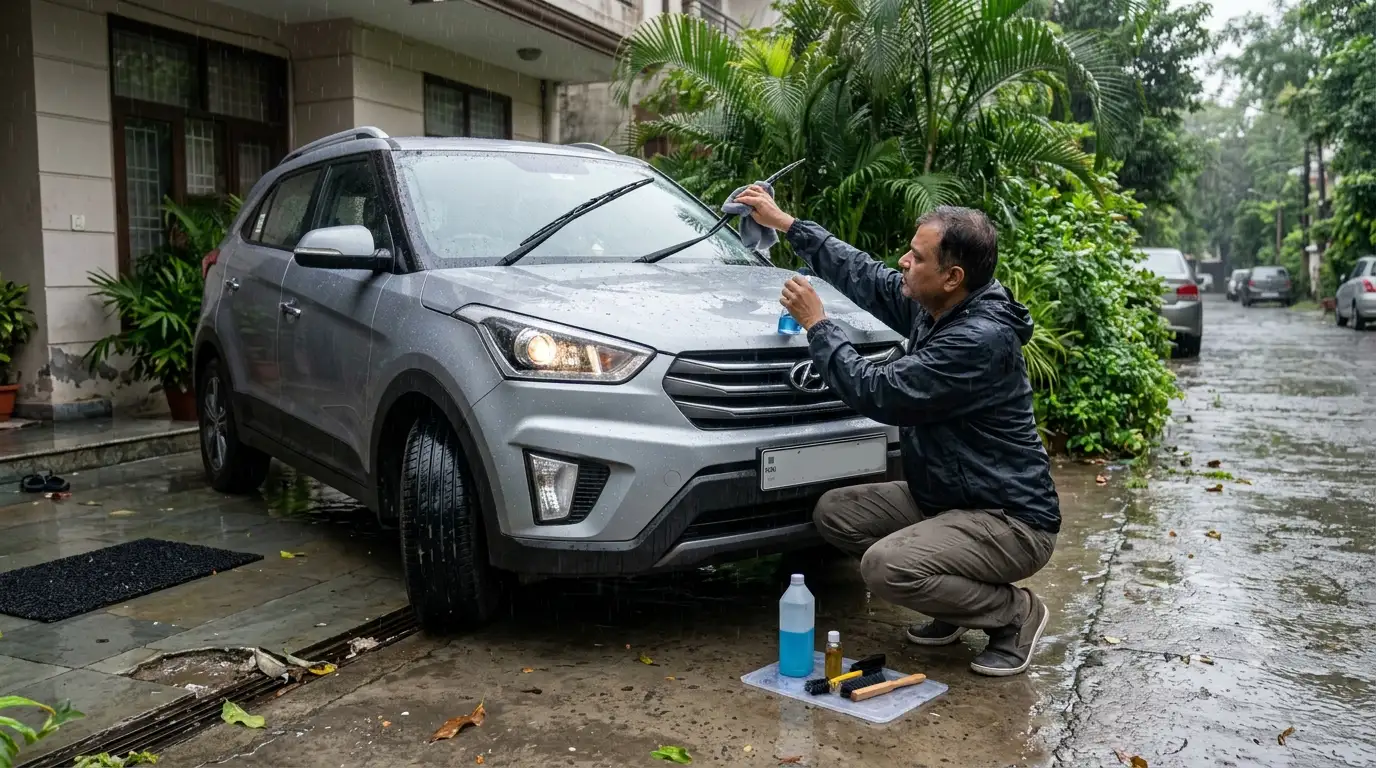
One of the first things to inspect is your car's windscreen wipers. Worn-out wiper blades often leave streaks that reduce visibility, especially during intense rain. Replacing them before the monsoon begins is a simple step that greatly improves driving safety.
Tyres also deserve close attention. Adequate tread depth allows water to escape from beneath the tyres, helping maintain grip on wet roads. Under-inflated or worn tyres increase the risk of skidding and aquaplaning, making regular tyre inspections essential throughout the season.
If you notice unusual sounds, vibrations, or longer stopping distances, have the braking system checked immediately. Drivers should also avoid driving through deep water whenever possible, as excessive water can temporarily reduce braking efficiency.
Washing your car regularly removes dirt, road salt, and grime that can cause corrosion over time. Cleaning the underbody is particularly important because rust often starts in areas that are difficult to notice.
Parking in covered areas whenever possible also helps reduce prolonged exposure to rainwater and falling debris.
Moisture can sometimes enter electrical connections, particularly in older vehicles. If lights begin flickering or electrical accessories behave unusually, they should be inspected promptly to prevent more serious faults.
Many modern cars rely heavily on electronic sensors, making electrical maintenance even more important during periods of persistent rainfall.
Checking the battery terminals for white or green deposits and cleaning them regularly helps maintain reliable starting performance. If your battery is already several years old, testing it before the rainy season can prevent inconvenient breakdowns.
Interestingly, battery failures during monsoon are often caused not by rain itself but by poor maintenance combined with increased electrical usage from headlights, wipers, and climate control systems.
Removing wet mats, drying the interior properly, and occasionally using the air conditioner even on rainy days helps reduce humidity inside the cabin. A clean cabin air filter also improves air quality and prevents fogging on the windows.
Regular maintenance not only reduces repair costs but also improves fuel efficiency, extends the lifespan of important components, and provides greater peace of mind during every journey. Small preventive checks often save drivers from major mechanical problems later.
Essential Car Care Tips During the Rainy Season
Rain affects almost every part of a vehicle, from the tyres and brakes to the electrical system and paintwork. Preventive maintenance is far easier and cheaper than dealing with unexpected breakdowns during a heavy downpour.One of the first things to inspect is your car's windscreen wipers. Worn-out wiper blades often leave streaks that reduce visibility, especially during intense rain. Replacing them before the monsoon begins is a simple step that greatly improves driving safety.
Tyres also deserve close attention. Adequate tread depth allows water to escape from beneath the tyres, helping maintain grip on wet roads. Under-inflated or worn tyres increase the risk of skidding and aquaplaning, making regular tyre inspections essential throughout the season.
Keep the Braking System in Top Condition
Brakes are one of the most important safety features during wet weather. Moisture and muddy roads can affect braking performance, especially if brake pads are already worn.If you notice unusual sounds, vibrations, or longer stopping distances, have the braking system checked immediately. Drivers should also avoid driving through deep water whenever possible, as excessive water can temporarily reduce braking efficiency.
Protect Your Car From Water Damage
Many monsoon-related vehicle problems begin underneath the car, where standing water and mud collect after every journey.Washing your car regularly removes dirt, road salt, and grime that can cause corrosion over time. Cleaning the underbody is particularly important because rust often starts in areas that are difficult to notice.
Parking in covered areas whenever possible also helps reduce prolonged exposure to rainwater and falling debris.
Check Lights and Electrical Components
Rainy weather naturally reduces visibility, making properly functioning headlights, brake lights, indicators, and fog lamps essential for safe driving.Moisture can sometimes enter electrical connections, particularly in older vehicles. If lights begin flickering or electrical accessories behave unusually, they should be inspected promptly to prevent more serious faults.
Many modern cars rely heavily on electronic sensors, making electrical maintenance even more important during periods of persistent rainfall.
Maintain a Healthy Battery
High humidity can affect battery terminals by encouraging corrosion, which weakens electrical connections.Checking the battery terminals for white or green deposits and cleaning them regularly helps maintain reliable starting performance. If your battery is already several years old, testing it before the rainy season can prevent inconvenient breakdowns.
Interestingly, battery failures during monsoon are often caused not by rain itself but by poor maintenance combined with increased electrical usage from headlights, wipers, and climate control systems.
Don't Ignore the Cabin Interior
Monsoon moisture does not only affect the outside of your vehicle. Wet shoes, umbrellas, and damp floor mats can trap moisture inside the cabin, leading to unpleasant odours and mould growth.Removing wet mats, drying the interior properly, and occasionally using the air conditioner even on rainy days helps reduce humidity inside the cabin. A clean cabin air filter also improves air quality and prevents fogging on the windows.
Why Monsoon Car Care Matters More Than Ever
Modern roads experience heavier traffic than ever before, while unpredictable weather patterns often lead to sudden cloudbursts and waterlogging. A well-maintained vehicle is better equipped to handle these challenging conditions safely.Regular maintenance not only reduces repair costs but also improves fuel efficiency, extends the lifespan of important components, and provides greater peace of mind during every journey. Small preventive checks often save drivers from major mechanical problems later.






Loving Newspoint? Download the app now
