
Easy Ways to Help Your Snake Plant Thrive Indoors

The snake plant is one of the easiest indoor plants to grow. Known for its upright leaves and air-purifying qualities, this low-maintenance plant can survive in a variety of conditions. However, a little care can help it stay healthy, vibrant, and beautiful for years.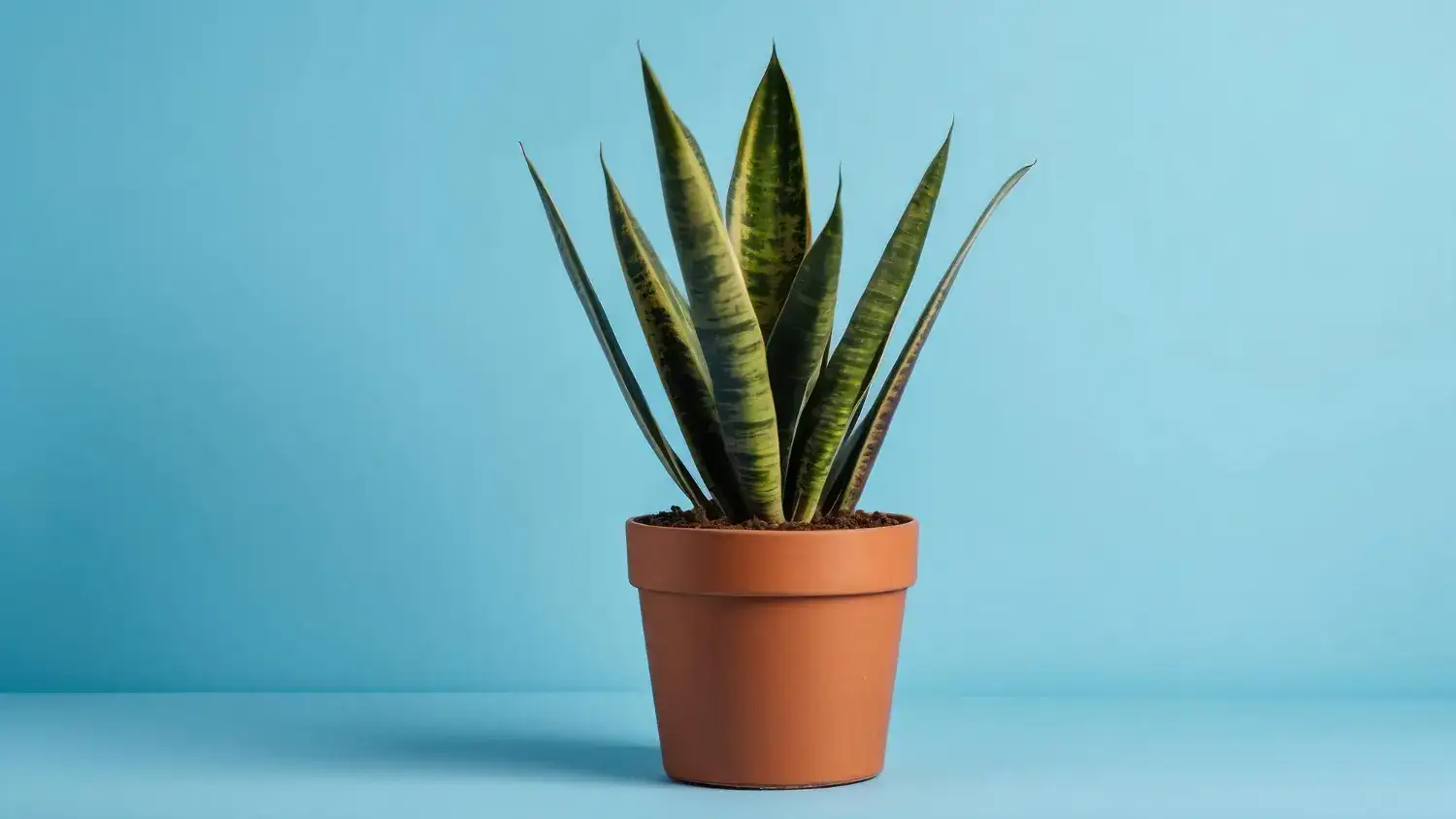
Give It the Right Light
Snake plants are highly adaptable and can grow in both bright and low-light areas. They thrive best in indirect sunlight, but they can also tolerate some direct morning sun. Avoid placing them in harsh afternoon sunlight, which may scorch the leaves.
Don't Overwater
Overwatering is the most common reason snake plants die. Allow the soil to dry out completely between waterings. During summer, watering every two to three weeks is usually enough. In winter, you may only need to water once a month.
Choose Well-Draining Soil
A well-draining potting mix helps prevent root rot. Cactus or succulent soil works well for snake plants because it allows excess moisture to drain quickly.
Pick a Pot with Drainage Holes
Always use a pot with drainage holes at the bottom. This prevents water from collecting around the roots and keeps the plant healthy.
Maintain Comfortable Temperatures
Snake plants prefer temperatures between 15°C and 30°C. Keep them away from cold drafts, air conditioners, and areas where temperatures may drop below 10°C.
Feed Occasionally
These plants do not need frequent fertilizing. A balanced liquid fertilizer applied once every month during spring and summer is usually sufficient. Avoid feeding during winter when growth slows down.
Clean the Leaves
Dust can accumulate on the broad leaves over time. Wipe them gently with a damp cloth every few weeks to keep them looking fresh and help the plant absorb light efficiently.
Watch for Signs of Trouble
Yellow leaves often indicate overwatering, while brown, crispy edges may signal underwatering or excessive heat. Inspect the plant regularly for pests such as spider mites and mealybugs.
Repot Only When Necessary
Snake plants grow slowly and enjoy being slightly root-bound. Repot them every two to three years or when roots begin to outgrow the container.
If you're looking for a houseplant that requires minimal attention, the snake plant is an excellent choice. With proper watering, suitable light, and well-draining soil, this resilient plant can flourish indoors and add a touch of greenery to any space.
Give It the Right Light
Snake plants are highly adaptable and can grow in both bright and low-light areas. They thrive best in indirect sunlight, but they can also tolerate some direct morning sun. Avoid placing them in harsh afternoon sunlight, which may scorch the leaves. Don't Overwater
Overwatering is the most common reason snake plants die. Allow the soil to dry out completely between waterings. During summer, watering every two to three weeks is usually enough. In winter, you may only need to water once a month.Choose Well-Draining Soil
A well-draining potting mix helps prevent root rot. Cactus or succulent soil works well for snake plants because it allows excess moisture to drain quickly. Pick a Pot with Drainage Holes
Always use a pot with drainage holes at the bottom. This prevents water from collecting around the roots and keeps the plant healthy.You may also like
- Here is the perfect way to make detox water; find out the benefits of drinking it...
- From losing his sight at the age of 3 to becoming chess champion; How Darpan Inani's parents played the unseen role in his journey
- 5 Bhagavad Gita Shlokas to Stop Being Affected by Others
- Understanding the Key Differences Between Lemons and Limes
- Effective Tips for Storing Potatoes During Summer
Maintain Comfortable Temperatures
Snake plants prefer temperatures between 15°C and 30°C. Keep them away from cold drafts, air conditioners, and areas where temperatures may drop below 10°C. Feed Occasionally
These plants do not need frequent fertilizing. A balanced liquid fertilizer applied once every month during spring and summer is usually sufficient. Avoid feeding during winter when growth slows down. Clean the Leaves
Dust can accumulate on the broad leaves over time. Wipe them gently with a damp cloth every few weeks to keep them looking fresh and help the plant absorb light efficiently. Watch for Signs of Trouble
Yellow leaves often indicate overwatering, while brown, crispy edges may signal underwatering or excessive heat. Inspect the plant regularly for pests such as spider mites and mealybugs.Repot Only When Necessary
Snake plants grow slowly and enjoy being slightly root-bound. Repot them every two to three years or when roots begin to outgrow the container. If you're looking for a houseplant that requires minimal attention, the snake plant is an excellent choice. With proper watering, suitable light, and well-draining soil, this resilient plant can flourish indoors and add a touch of greenery to any space.






More from our partners


Loving Newspoint? Download the app now
