
How To Make Flavourful Gajar Matar Sabzi Quickly At Home

Gajar matar sabzi is a classic North Indian vegetable dish that perfectly balances taste, nutrition, and simplicity. Made with fresh carrots and green peas cooked in mild spices, this sabzi is especially popular during winter when both vegetables are in peak season. Its natural sweetness, vibrant colour, and light masala base make it ideal for everyday meals. Quick to prepare and highly nutritious, this dish fits seamlessly into busy lifestyles while still delivering wholesome flavour and comfort on the plate.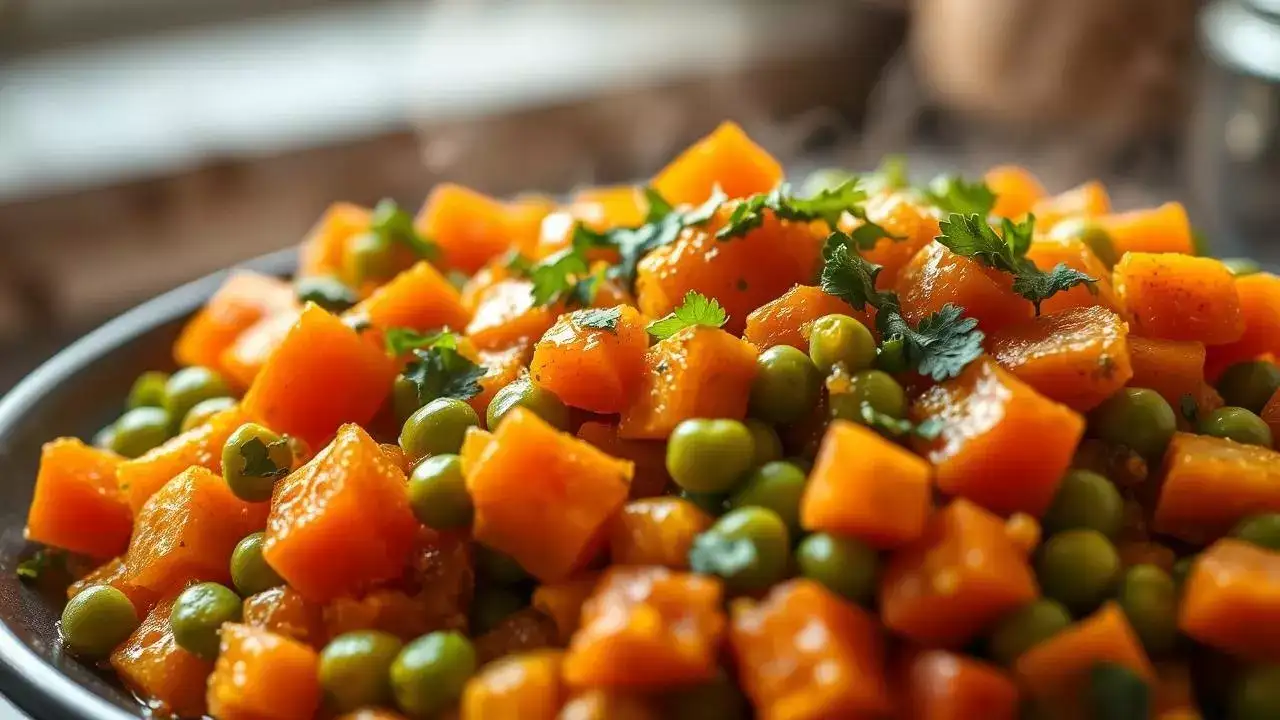
Green peas complement carrots nutritionally by providing plant-based protein, iron, and essential vitamins such as B complex and vitamin C. They help maintain energy levels and support muscle health. When combined, carrots and peas create a healthy vegetarian sabzi that is both filling and nourishing, making it suitable for all age groups.
Seasonal fresh peas enhance flavour, but frozen peas work equally well for convenience. The spice level can be adjusted according to preference, allowing the dish to remain mild for family meals or slightly spicier for those who prefer heat. This flexibility makes it an easy Indian vegetable recipe adaptable to different tastes.
Heat oil in a pan and add cumin seeds. Once they splutter, sauté chopped onions until light golden. Add ginger and green chillies, cooking until aromatic. Tomatoes are then added and cooked until soft, forming the masala base.
Add turmeric, coriander powder, red chilli powder, and salt. Mix well before adding carrots and peas. Stir to coat the vegetables evenly with spices. Sprinkle a small amount of water, cover, and cook on low heat until the vegetables turn tender. Finish with garam masala and fresh coriander leaves for added aroma.
Avoid overcooking carrots to maintain their texture and nutritional value. The sabzi should remain moist but not watery, allowing the natural sweetness of vegetables to shine through the spices.
For festive or elaborate meals, it can be served alongside paneer dishes, raita, and pickle. Its mild spice profile ensures it appeals to children and elderly family members alike, reinforcing its place as a dependable carrot peas curry in Indian households.
Despite its seasonal association, gajar matar sabzi remains an all-season favourite due to the availability of cold storage vegetables. Its affordability, quick cooking time, and nutritional profile make it a staple in everyday home cooking across urban and rural kitchens.
Easy gajar matar sabzi exemplifies how simple vegetables can be transformed into a delicious and nourishing meal with minimal effort. Combining the sweetness of carrots with the hearty texture of peas, this dish offers both taste and health benefits. Its quick preparation, adaptable spice levels, and compatibility with Indian breads and rice make it an essential recipe for daily cooking. By using fresh produce and balanced seasoning, households can enjoy a timeless sabzi that delivers comfort, nutrition, and authentic home-style flavour.
Nutritional Value Of Carrots And Green Peas
Carrots are widely valued for their rich beta-carotene content, which supports eye health, immunity, and skin vitality. They are also a good source of fibre, antioxidants, and vitamin K, making them beneficial for digestion and overall wellness. Including carrots in daily meals contributes to balanced nutrition without adding excessive calories.Green peas complement carrots nutritionally by providing plant-based protein, iron, and essential vitamins such as B complex and vitamin C. They help maintain energy levels and support muscle health. When combined, carrots and peas create a healthy vegetarian sabzi that is both filling and nourishing, making it suitable for all age groups.
Ingredients Required For Easy Preparation
One of the biggest advantages of gajar matar sabzi is its reliance on simple kitchen staples. Fresh carrots, green peas, onions, tomatoes, ginger, green chillies, cumin seeds, turmeric, coriander powder, red chilli powder, and garam masala form the core ingredient list.Seasonal fresh peas enhance flavour, but frozen peas work equally well for convenience. The spice level can be adjusted according to preference, allowing the dish to remain mild for family meals or slightly spicier for those who prefer heat. This flexibility makes it an easy Indian vegetable recipe adaptable to different tastes.
Step By Step Cooking Method
Begin by washing, peeling, and chopping carrots into small cubes or thin slices for even cooking. If using fresh peas, shell and rinse them thoroughly.Heat oil in a pan and add cumin seeds. Once they splutter, sauté chopped onions until light golden. Add ginger and green chillies, cooking until aromatic. Tomatoes are then added and cooked until soft, forming the masala base.
Add turmeric, coriander powder, red chilli powder, and salt. Mix well before adding carrots and peas. Stir to coat the vegetables evenly with spices. Sprinkle a small amount of water, cover, and cook on low heat until the vegetables turn tender. Finish with garam masala and fresh coriander leaves for added aroma.
Tips To Enhance Taste And Texture
To elevate flavour, some households add a pinch of asafoetida or kasuri methi. A light drizzle of ghee towards the end enhances richness without making the dish heavy. For a slightly tangy variation, a small amount of amchur powder can be added.You may also like
- Quote of the Day by Confucius, "When you see a worthy person, endeavor to emulate him. When you see an unworthy person, then...."
- 'I knew we had to prevent a priceless treasure being lost forever': Inside Dumfries House, Scotland's timeless property King Charles saved
- Fashion quote of the day by Iris Apfel: 'Jewellery is the most transformative thing you can wear'
- Want your child to value money and time? German parents teach kids these 4 simple habits early in life
- Why do railways use stones under tracks?
Avoid overcooking carrots to maintain their texture and nutritional value. The sabzi should remain moist but not watery, allowing the natural sweetness of vegetables to shine through the spices.
Serving Suggestions And Meal Pairings
Gajar matar sabzi pairs beautifully with phulka roti, paratha, or plain chapati. It also complements dal and rice combinations for a complete, balanced meal. Its semi-dry texture makes it suitable for lunchboxes, as it stays fresh and flavourful for hours.For festive or elaborate meals, it can be served alongside paneer dishes, raita, and pickle. Its mild spice profile ensures it appeals to children and elderly family members alike, reinforcing its place as a dependable carrot peas curry in Indian households.
Seasonal Popularity And Everyday Appeal
This dish gains special prominence during winter months when carrots are naturally sweeter and peas are freshly harvested. As part of traditional Indian winter recipes , it is often cooked in mustard oil to enhance warmth and flavour.Despite its seasonal association, gajar matar sabzi remains an all-season favourite due to the availability of cold storage vegetables. Its affordability, quick cooking time, and nutritional profile make it a staple in everyday home cooking across urban and rural kitchens.
Easy gajar matar sabzi exemplifies how simple vegetables can be transformed into a delicious and nourishing meal with minimal effort. Combining the sweetness of carrots with the hearty texture of peas, this dish offers both taste and health benefits. Its quick preparation, adaptable spice levels, and compatibility with Indian breads and rice make it an essential recipe for daily cooking. By using fresh produce and balanced seasoning, households can enjoy a timeless sabzi that delivers comfort, nutrition, and authentic home-style flavour.






Loving Newspoint? Download the app now
