
10 Smart Ways to Make Everyday Grocery Shopping Faster, Easier and More Budget-Friendly

Grocery shopping is a regular household task, but without a little planning, it can take more time and money than expected. Forgetting essential items, buying products you already have or making unnecessary purchases can turn a simple shopping trip into an expensive chore. A few organised habits can make the process quicker and more manageable. Whether you shop at a local market, supermarket or through an online grocery platform, planning ahead can help you stay within your budget, avoid food waste and make better purchasing decisions.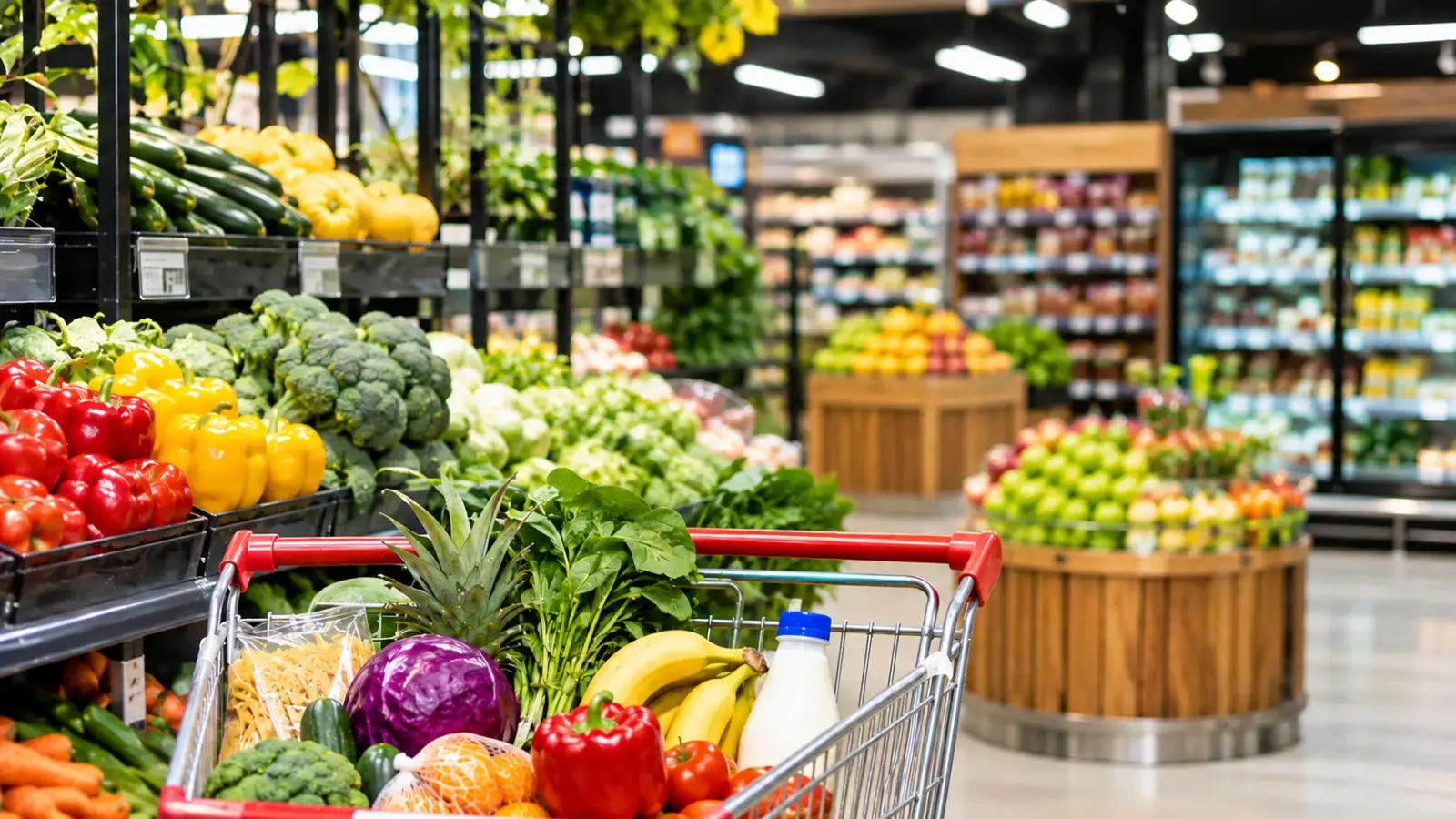
Divide the list into categories such as vegetables, fruits, dairy products, grains, pulses and household essentials. This makes it easier to remember important items and reduces the chances of buying unnecessary products.
For example, if you intend to prepare dal, vegetable pulao and homemade snacks during the week, you can purchase the required ingredients together. Meal planning also helps you avoid buying ingredients that may remain unused.
Keep track of approximate prices for frequently purchased products. If your shopping total exceeds the planned amount, review optional purchases rather than compromising on essential items.
Collect vegetables and fruits together, followed by packaged groceries, dairy products and household supplies. Pick up refrigerated and frozen items towards the end so they spend less time outside appropriate storage conditions.
Keep frequently used ingredients in visible, organised containers. You can also maintain a simple inventory list on your phone to track items that are running low.
Also consider whether your household will use the product before it expires. Buying a smaller pack may be more practical than purchasing a bulk quantity that could go to waste.
If you have a flexible schedule, identify a time when you can shop without rushing. Avoid leaving grocery shopping until the last minute, particularly when you need several essential items.
For example, you can include seasonal greens, gourds, citrus fruits or root vegetables depending on the time of year. Choose fresh produce based on your meal plan and storage capacity rather than buying large quantities simply because they are inexpensive.
However, check delivery charges, product quantities, expiry dates where available and return policies. Review your cart before placing an order to remove duplicate or unnecessary products.
Refrigerate products that require cooling, store dry ingredients in airtight containers and keep older items towards the front so they are used first. Wash and prepare fresh produce according to its storage requirements. Proper organisation can help ingredients remain usable for longer and reduce household food waste.
1. Prepare a Grocery List Before Leaving Home
A shopping list is one of the easiest ways to organise grocery shopping. Before heading to the market, check your kitchen shelves, refrigerator and storage containers to identify what needs replenishing.Divide the list into categories such as vegetables, fruits, dairy products, grains, pulses and household essentials. This makes it easier to remember important items and reduces the chances of buying unnecessary products.
2. Plan Meals for the Coming Week
Deciding what you will cook over the next few days can make grocery shopping more focused. Plan a few breakfasts, lunches and dinners based on your household's preferences.For example, if you intend to prepare dal, vegetable pulao and homemade snacks during the week, you can purchase the required ingredients together. Meal planning also helps you avoid buying ingredients that may remain unused.
3. Set a Realistic Grocery Budget
Decide how much you want to spend before visiting the store. You can divide your budget into categories such as fresh produce, pantry essentials, dairy and cleaning supplies.Keep track of approximate prices for frequently purchased products. If your shopping total exceeds the planned amount, review optional purchases rather than compromising on essential items.
4. Shop With a Clear Store Route
Moving repeatedly between different aisles can waste time. If you visit the same supermarket regularly, become familiar with its layout and arrange your list according to product sections.Collect vegetables and fruits together, followed by packaged groceries, dairy products and household supplies. Pick up refrigerated and frozen items towards the end so they spend less time outside appropriate storage conditions.
5. Check Your Pantry Before Buying Essentials
Many people purchase duplicate products because they do not remember what is already available at home. Before buying rice, flour, cooking oil, spices or pulses, check your existing stock.Keep frequently used ingredients in visible, organised containers. You can also maintain a simple inventory list on your phone to track items that are running low.
6. Compare Prices and Pack Sizes
A larger package is not always the most economical option. Compare the price per kilogram, litre or unit instead of looking only at the printed price.Also consider whether your household will use the product before it expires. Buying a smaller pack may be more practical than purchasing a bulk quantity that could go to waste.
7. Choose the Right Time to Shop
Shopping during quieter hours can make grocery trips less stressful. Weekday mornings or early afternoons may be less crowded at some stores, although local patterns vary.You may also like
- 8th Pay Commission: 7% increment could mean a major windfall for employees at Levels 9, 10, and 11!
- November 2026 Festival Calendar: Diwali, Chhath Puja, Bhai Dooj, Guru Nanak Jayanti and Important Vrat Dates
- Satyug Lifestyle: Crosses 50,000 orders in six months, but can growth sustain festive demand?
- From McKinsey's client meetings to Google's office routine: IIM Calcutta graduate reveals how her career, travel and personal life changed after making the switch
- Bank Holiday Today: Are banks open or closed today, October 31? Find out..
If you have a flexible schedule, identify a time when you can shop without rushing. Avoid leaving grocery shopping until the last minute, particularly when you need several essential items.
8. Buy Seasonal Fruits and Vegetables
Seasonal produce is often more readily available and may offer better value than out-of-season alternatives. Check what is fresh at your local market before finalising your vegetable list.For example, you can include seasonal greens, gourds, citrus fruits or root vegetables depending on the time of year. Choose fresh produce based on your meal plan and storage capacity rather than buying large quantities simply because they are inexpensive.
9. Use Online Grocery Shopping Carefully
Online grocery platforms can save travel time and make it easier to compare prices. They are particularly useful for repeat purchases such as flour, pulses, packaged foods and household cleaning supplies.However, check delivery charges, product quantities, expiry dates where available and return policies. Review your cart before placing an order to remove duplicate or unnecessary products.
10. Store Groceries Properly After Shopping
Efficient grocery shopping does not end at the checkout counter. Organise your purchases as soon as you return home.Refrigerate products that require cooling, store dry ingredients in airtight containers and keep older items towards the front so they are used first. Wash and prepare fresh produce according to its storage requirements. Proper organisation can help ingredients remain usable for longer and reduce household food waste.
Common Grocery Shopping Mistakes to Avoid
- Shopping without checking what is already available at home.
- Buying large quantities without considering storage space.
- Ignoring expiry dates and product condition.
- Purchasing unnecessary items because of attractive offers.
- Forgetting to compare prices across different pack sizes.
- Buying fresh produce without planning when to use it.






Loving Newspoint? Download the app now
