
How to Make Paneer at Home With Simple Ingredients and Better Control Over Its Texture

Fresh paneer suits many dishes, including curries, wraps and salads. Making it at home requires milk, an acidic ingredient and a clean cloth for draining, although the texture depends on the milk and how firmly the curds are pressed. The process is straightforward once the stages are clear.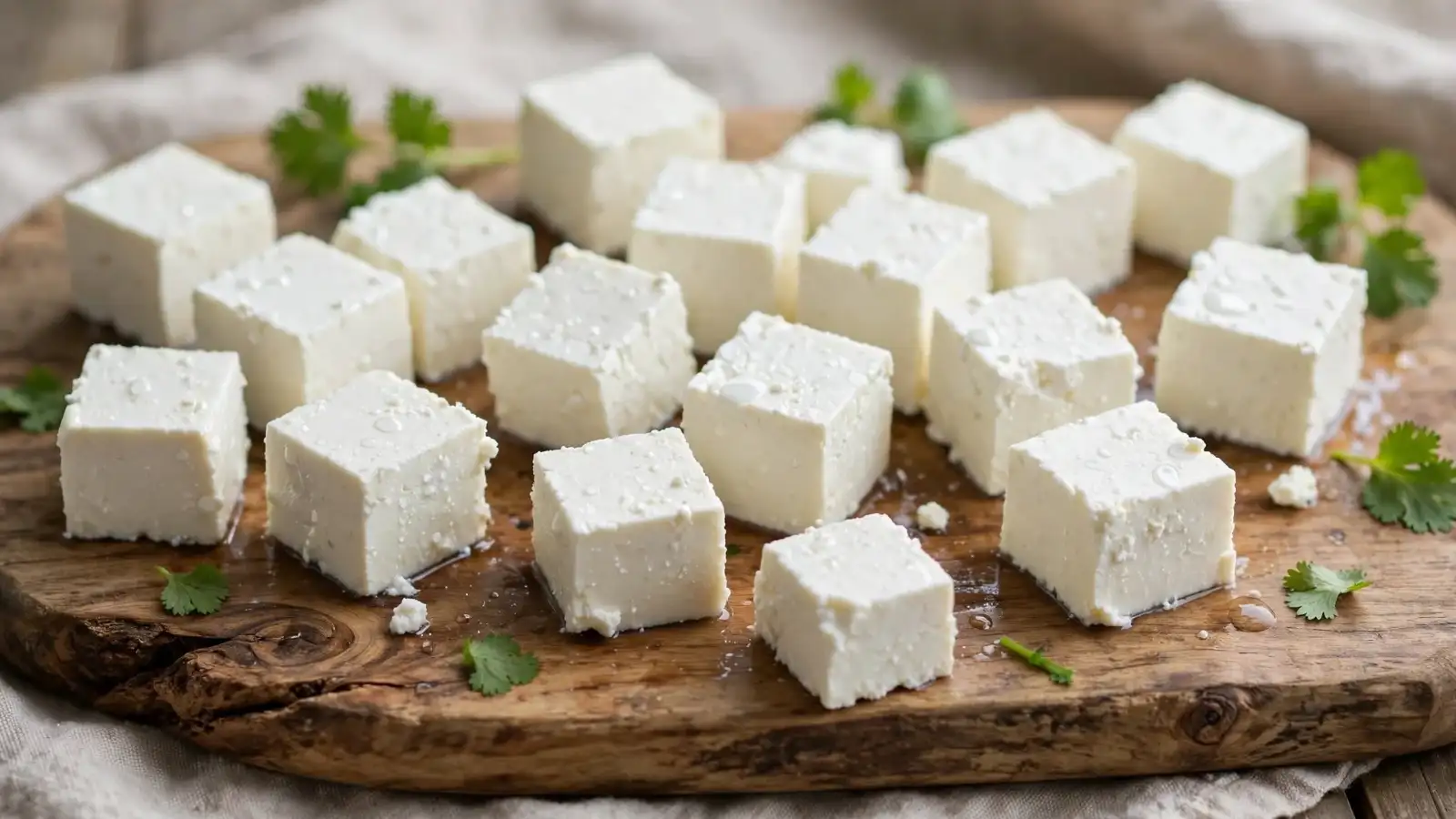
Homemade paneer can be softer and fresher-tasting than some packaged varieties, but it needs careful handling because it is a moist dairy food. Use clean equipment, cool it promptly and keep it refrigerated. With practice, you can control the firmness and cut the cheese into pieces suited to the dish you plan to make.
Pour the milk into the pan and heat it slowly, stirring occasionally so it does not catch on the bottom. Bring it close to a boil, then lower the heat. Add the diluted acid a little at a time while stirring gently. The milk should separate into pale curds and yellowish-green whey.
For soft paneer, press lightly for a shorter time. For firmer cubes that hold their shape in curry, place a clean weight on top and press for longer. Avoid excessive pressure if you want a tender texture. The exact draining time depends on how firm you prefer the cheese and how much moisture remains.
The leftover whey can be used in some doughs or soups if it has been handled hygienically and suits the recipe, rather than being discarded automatically. If the paneer develops an unusual smell, discolouration or a slimy texture, do not taste it to check whether it is safe.
Homemade paneer can be softer and fresher-tasting than some packaged varieties, but it needs careful handling because it is a moist dairy food. Use clean equipment, cool it promptly and keep it refrigerated. With practice, you can control the firmness and cut the cheese into pieces suited to the dish you plan to make.
Ingredients and equipment
You will need 1.5 litres of full-fat milk, two to three tablespoons of lemon juice or vinegar diluted with water, a large pan, a clean muslin cloth and a colander. Keep a bowl underneath the colander to collect the whey. Use clean equipment and make sure the cloth is suitable for food preparation.You may also like
- Mukesh...For Whom The Bells Chime
- Why Bihar Beats a Winnowing Basket at 4 AM on Diwali
- Meet Soumyashree Thanapati, the Class 10 girl from Odisha who beat 33 rivals at a national science seminar, won Rs 48,000 and ended a 13-year wait
- Understanding the Tradition of Lighting Lamps During Diwali
- Understanding Ahoi Ashtami: Significance and Rituals
Pour the milk into the pan and heat it slowly, stirring occasionally so it does not catch on the bottom. Bring it close to a boil, then lower the heat. Add the diluted acid a little at a time while stirring gently. The milk should separate into pale curds and yellowish-green whey.
Drain and press the curds
Once the separation is clear, turn off the heat and leave the mixture briefly to settle. Line the colander with the cloth and carefully pour in the curds. Rinse them gently with clean water if you want to reduce the lemon or vinegar flavour, then gather the cloth and allow excess liquid to drain.For soft paneer, press lightly for a shorter time. For firmer cubes that hold their shape in curry, place a clean weight on top and press for longer. Avoid excessive pressure if you want a tender texture. The exact draining time depends on how firm you prefer the cheese and how much moisture remains.
Store it safely
Transfer the paneer to a clean covered container and refrigerate it promptly. Because fresh paneer contains moisture, do not leave it at room temperature for extended periods. Use clean hands or utensils when handling it, and follow safe food-storage practices for homemade dairy products.The leftover whey can be used in some doughs or soups if it has been handled hygienically and suits the recipe, rather than being discarded automatically. If the paneer develops an unusual smell, discolouration or a slimy texture, do not taste it to check whether it is safe.
Use it in everyday meals
Cut the paneer into cubes for curries, crumble it into stuffed parathas or toss it with vegetables and spices. Add it towards the end of cooking when you want the pieces to stay intact. Homemade paneer is simple, but cleanliness, careful heating and prompt refrigeration are essential to making it safely.





Loving Newspoint? Download the app now
