
How to Make the Perfect Chutney: 4 Key Elements to Master

A delicious chutney can elevate a simple everyday meal into something truly extraordinary. Whether you are pairing it with sharp cheddar cheese, dipping crisp samosas into it, or serving it alongside roasted meats, a well-made preserve adds vibrancy and depth to your plate. The secret to mastering the art of making a good chutney lies in understanding how distinct taste profiles interact with one another. By learning how to harmonise four core elements, you can transform simple garden fruits and fresh vegetables into rich condiments that burst with incredible character.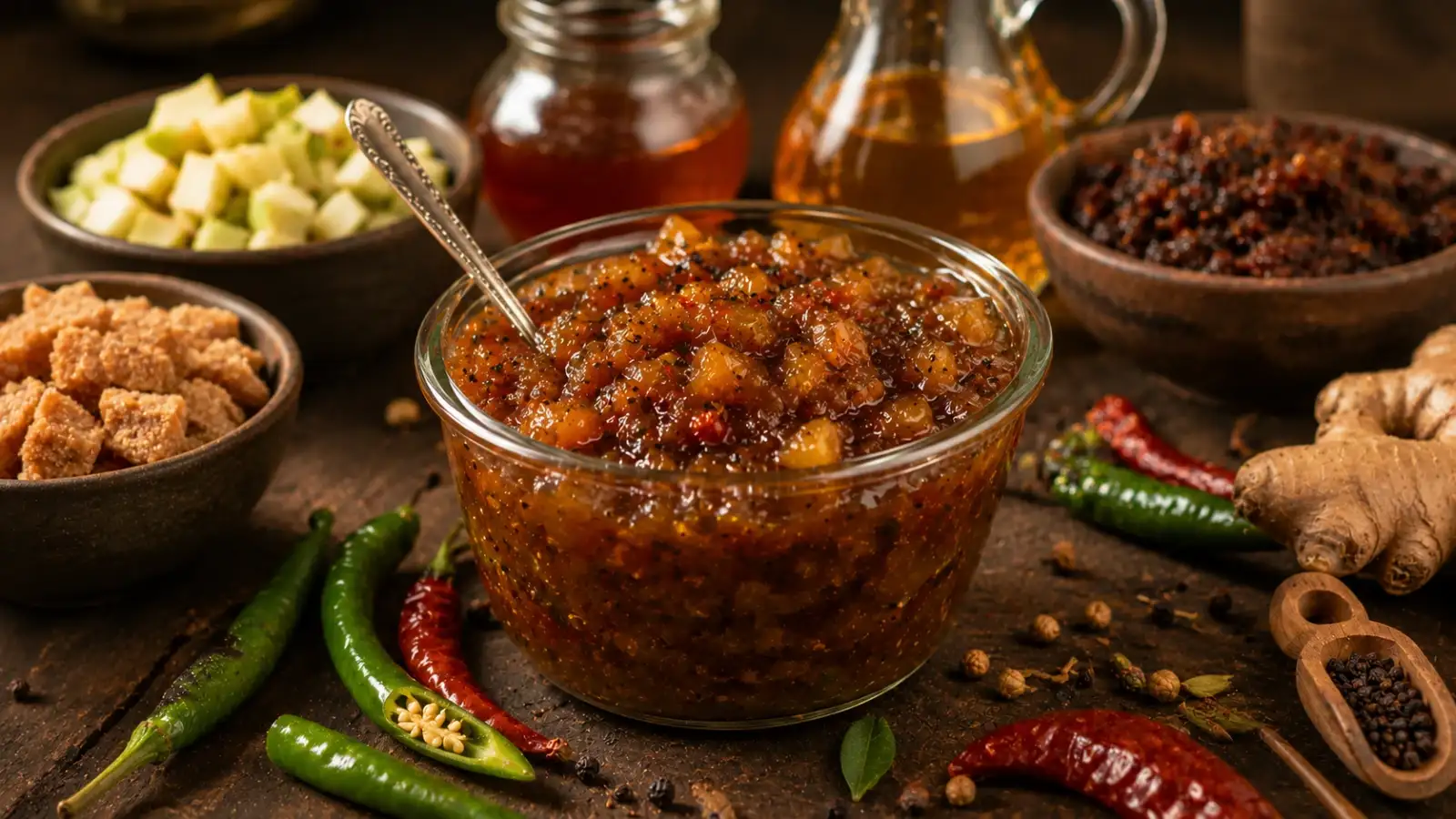
Creating the sweet foundation with natural sugars
Sugar serves as more than just a sweetener when you craft a condiment at home. It acts as a crucial balancing agent that rounds off sharp acidity and tones down harsh heat. Dark brown sugar, honey, granulated sugar, and ripe fruits such as mangoes, apples, or plums all provide distinct levels of sweetness. Sugar also works alongside natural fruit pectin to create a glossy texture and a thick, syrupy consistency as the mixture simmers gently on the stove. Finding the correct level of sweetness ensures your preserve remains enjoyable without becoming overly cloying on the palate.Adding tangy brightness through sour ingredients
The sour element brings vibrant life to your mixture and cuts through heavy or rich dishes. Vinegar is one of the most common ingredients used to achieve this pleasant tanginess, with cider vinegar, malt vinegar, and white wine vinegar offering varied levels of acidity. Citrus juices such as fresh lime or lemon, along with tamarind pulp and unripe green fruit, also deliver a wonderfully crisp tartness. Aside from adding brightness, acidity can help inhibit the growth of microorganisms and contribute to preservation when combined with proper cooking, acidity levels, and storage methods.You may also like
- No PLI? You can still get 'Baal Jeevan Bima' for your child; here are the new rules
- Halftime Hallelujah?
- Migraine Is More Than Just a Headache: Know These Warning Signs and Symptoms
- 4 Refreshing Amla Drinks to Start Your Morning on a Healthy Note
- SBI JA Recruitment 2026: SBI offers a chance to become a Junior Associate; applications invited for 9,124 posts
Introducing warmth and kick through spicy elements
Spiciness provides an exciting kick that lingers pleasantly after every bite. You can introduce heat through chopped fresh green chillies, dried red chilli flakes, or warming spices such as ginger, black pepper, and mustard seeds. Whole aromatic spices such as cinnamon sticks, cloves, and cardamom pods also infuse the cooking liquid with a rich background warmth. The key to managing the heat is to add spices gradually, as their flavours can intensify during the slow simmering process.Anchoring all the flavours with salty perfection
Salt is often overlooked in preserves, yet it plays an indispensable role in bringing every individual ingredient together. A carefully measured pinch of sea salt enhances natural fruit sugars, softens harsh vinegar notes, and tames overpowering chilli heat. Salt also helps draw natural juices out of fresh produce during the initial cooking phase, allowing the ingredients to soften and cook evenly. Without enough salt, the final product can taste flat and dull, lacking the punchy vibrancy that defines a truly great preserve.Patience and simmering to achieve the ideal texture
Achieving perfect harmony among all four elements requires slow cooking over steady, low heat. Allowing the ingredients to gently bubble gives the liquid time to reduce, transforming the raw elements into a rich, cohesive condiment. Stirring the pan occasionally prevents sticking and helps break down large fruit chunks into a glossy, spoonable texture. Once cooked, allow the chutney to cool and follow appropriate sterilisation and storage practices. For many chutneys, allowing the flavours to rest for a period of time can also help the sharp edges mellow, resulting in a smoother, more balanced preserve.





Loving Newspoint? Download the app now
