
How To Make Perfect Fluffy Chapatis At Home With Soft Texture And Even Puffing

Chapatis are among the most commonly prepared foods in Indian kitchens, served daily with vegetables, dal and curries across countless households. While the ingredients required are simple, making perfectly soft and fluffy chapatis often takes patience and proper technique. Many people struggle with rotis that turn dry, hard or unevenly cooked despite following basic steps.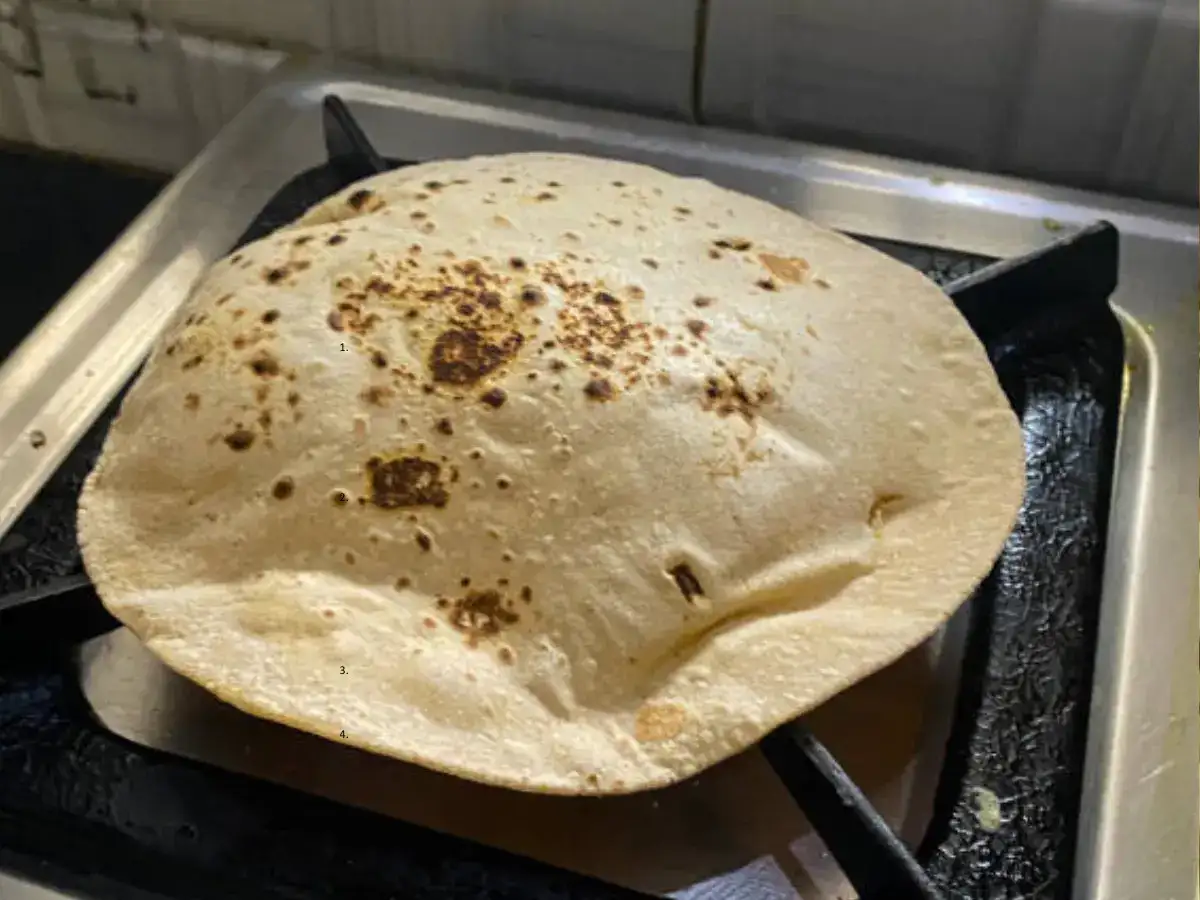
The good news is that a few small adjustments can make a major difference in texture and softness. Factors such as dough consistency, kneading method, resting time and cooking temperature all play an important role in preparing chapatis that puff properly and remain soft for hours. Once these basics are understood, making light and fluffy chapatis becomes much easier.
Many home cooks prefer atta specifically designed for chapatis because it contains the right balance of wheat texture and elasticity. Fresh flour also absorbs water more evenly, helping create a smoother dough.
Sifting the flour before kneading can further improve softness by removing lumps and allowing better air circulation within the dough.
Water should be added gradually while mixing the flour to avoid making the dough too wet or too dry. Using lukewarm water often helps create softer chapatis because it improves hydration.
The dough should ideally be kneaded for several minutes until it becomes smooth and pliable. A well-kneaded dough traps steam more effectively during cooking, helping the chapati puff properly.
Rested dough becomes easier to roll and produces chapatis that cook more evenly. Covering the dough with a damp cloth or lid prevents it from drying out during this period.
Some cooks also add a few drops of oil or ghee while resting the dough to improve softness further.
Chapatis should be rolled gently without applying excessive pressure. Very thin rotis may turn dry, while overly thick ones may remain undercooked inside.
Using light flour dusting while rolling helps prevent sticking without making the chapati dry.
If the pan is too cool, the chapati may become dry and stiff. Excessively high heat, however, can burn the surface before the inside cooks properly.
The chapati should first cook lightly on one side before being flipped. Gentle pressing with a cloth or spatula after the second flip often helps encourage puffing.
Direct flame cooking for a few seconds after partial cooking can also help create fully puffed chapatis by trapping steam inside.
Poor puffing often occurs due to uneven rolling, insufficient kneading or incorrect cooking temperature. However, even chapatis that do not puff completely can still remain soft if the dough preparation is correct.
Consistent practice gradually improves both rolling technique and heat control.
Applying a small amount of ghee or butter can also keep chapatis softer for longer periods. Avoid leaving cooked chapatis exposed to air, as this may cause them to dry out quickly.
For reheating, light steaming or warming on a hot pan often restores softness better than microwave heating.
Cooking chapatis for too long may remove moisture and make them stiff. It is also important not to overcrowd the cooking area, especially when preparing multiple chapatis quickly.
Patience and attention to small details are often more important than complicated techniques when learning how to make chapatis properly.
Perfect fluffy chapatis are less about special ingredients and more about mastering basic methods with consistency. With the right dough texture, balanced cooking heat and proper resting time, homemade chapatis can become softer, lighter and more enjoyable as part of everyday meals.
The good news is that a few small adjustments can make a major difference in texture and softness. Factors such as dough consistency, kneading method, resting time and cooking temperature all play an important role in preparing chapatis that puff properly and remain soft for hours. Once these basics are understood, making light and fluffy chapatis becomes much easier.
Choosing The Right Flour Matters
The quality of flour has a direct impact on the softness of chapatis. Fresh whole wheat flour with a fine texture generally produces better results compared to coarse or stale flour.Many home cooks prefer atta specifically designed for chapatis because it contains the right balance of wheat texture and elasticity. Fresh flour also absorbs water more evenly, helping create a smoother dough.
Sifting the flour before kneading can further improve softness by removing lumps and allowing better air circulation within the dough.
Kneading The Dough Properly Is Essential
One of the most important steps in making soft Indian bread is kneading the dough correctly. The dough should feel soft, smooth and slightly elastic without becoming sticky.Water should be added gradually while mixing the flour to avoid making the dough too wet or too dry. Using lukewarm water often helps create softer chapatis because it improves hydration.
The dough should ideally be kneaded for several minutes until it becomes smooth and pliable. A well-kneaded dough traps steam more effectively during cooking, helping the chapati puff properly.
Resting Time Improves Texture
Many people skip resting the dough, but this step plays a major role in achieving soft chapatis. Allowing the dough to rest for at least 20 to 30 minutes helps the gluten relax and improves elasticity.Rested dough becomes easier to roll and produces chapatis that cook more evenly. Covering the dough with a damp cloth or lid prevents it from drying out during this period.
Some cooks also add a few drops of oil or ghee while resting the dough to improve softness further.
Rolling Chapatis Evenly Makes A Difference
Uniform rolling is another important factor for fluffy chapati recipes. Uneven thickness can prevent proper puffing because heat does not distribute equally across the surface.Chapatis should be rolled gently without applying excessive pressure. Very thin rotis may turn dry, while overly thick ones may remain undercooked inside.
Using light flour dusting while rolling helps prevent sticking without making the chapati dry.
Correct Heat Is Crucial During Cooking
Cooking temperature greatly affects the final texture of chapatis. The tawa or pan should be properly heated before placing the rolled dough on it.If the pan is too cool, the chapati may become dry and stiff. Excessively high heat, however, can burn the surface before the inside cooks properly.
The chapati should first cook lightly on one side before being flipped. Gentle pressing with a cloth or spatula after the second flip often helps encourage puffing.
Direct flame cooking for a few seconds after partial cooking can also help create fully puffed chapatis by trapping steam inside.
Why Chapatis Puff During Cooking
The puffing process happens because moisture inside the dough turns into steam when exposed to heat. If the dough has been kneaded and rolled evenly, the steam spreads uniformly and lifts both layers of the chapati.You may also like
- Quote of the day for kids by Conrad Hall: "You are always a student, never a master. You have to..."
- Effective Parenting Strategies to Encourage Honesty in Children
- Essential Tips for Safe Digital Parenting
- “I was afraid to die alone”: Why a Shanghai grandpa gave away his Rupees 1.4 Crore flat to a stranger who showed him kindness
- Between O Sanam and Ek Pal Ka Jeena, Lucky Ali gave Pune its most emotional moment
Poor puffing often occurs due to uneven rolling, insufficient kneading or incorrect cooking temperature. However, even chapatis that do not puff completely can still remain soft if the dough preparation is correct.
Consistent practice gradually improves both rolling technique and heat control.
Keeping Chapatis Soft After Cooking
Freshly made chapatis can lose softness if not stored properly. Stacking them immediately in an insulated container or wrapping them in a clean cloth helps retain moisture and warmth.Applying a small amount of ghee or butter can also keep chapatis softer for longer periods. Avoid leaving cooked chapatis exposed to air, as this may cause them to dry out quickly.
For reheating, light steaming or warming on a hot pan often restores softness better than microwave heating.
Common Mistakes To Avoid
Using too much dry flour during rolling can make chapatis hard. Similarly, under-kneaded dough often results in dense or chewy texture.Cooking chapatis for too long may remove moisture and make them stiff. It is also important not to overcrowd the cooking area, especially when preparing multiple chapatis quickly.
Patience and attention to small details are often more important than complicated techniques when learning how to make chapatis properly.
Perfect fluffy chapatis are less about special ingredients and more about mastering basic methods with consistency. With the right dough texture, balanced cooking heat and proper resting time, homemade chapatis can become softer, lighter and more enjoyable as part of everyday meals.






More from our partners


Loving Newspoint? Download the app now
