
How To Make Restaurant-Style South Indian Vegetable Kurma For Soft Idlis At Home

South Indian breakfasts are known for their comforting flavours, balanced spices and wholesome combinations. Among the most loved pairings is soft idli served with a rich and creamy vegetable kurma. This mildly spiced curry, packed with vegetables and coconut-based gravy, transforms a simple plate of idlis into a satisfying and flavourful meal. The dish is popular across Tamil Nadu, Karnataka and Kerala, where different households add their own touch using local spices and vegetables.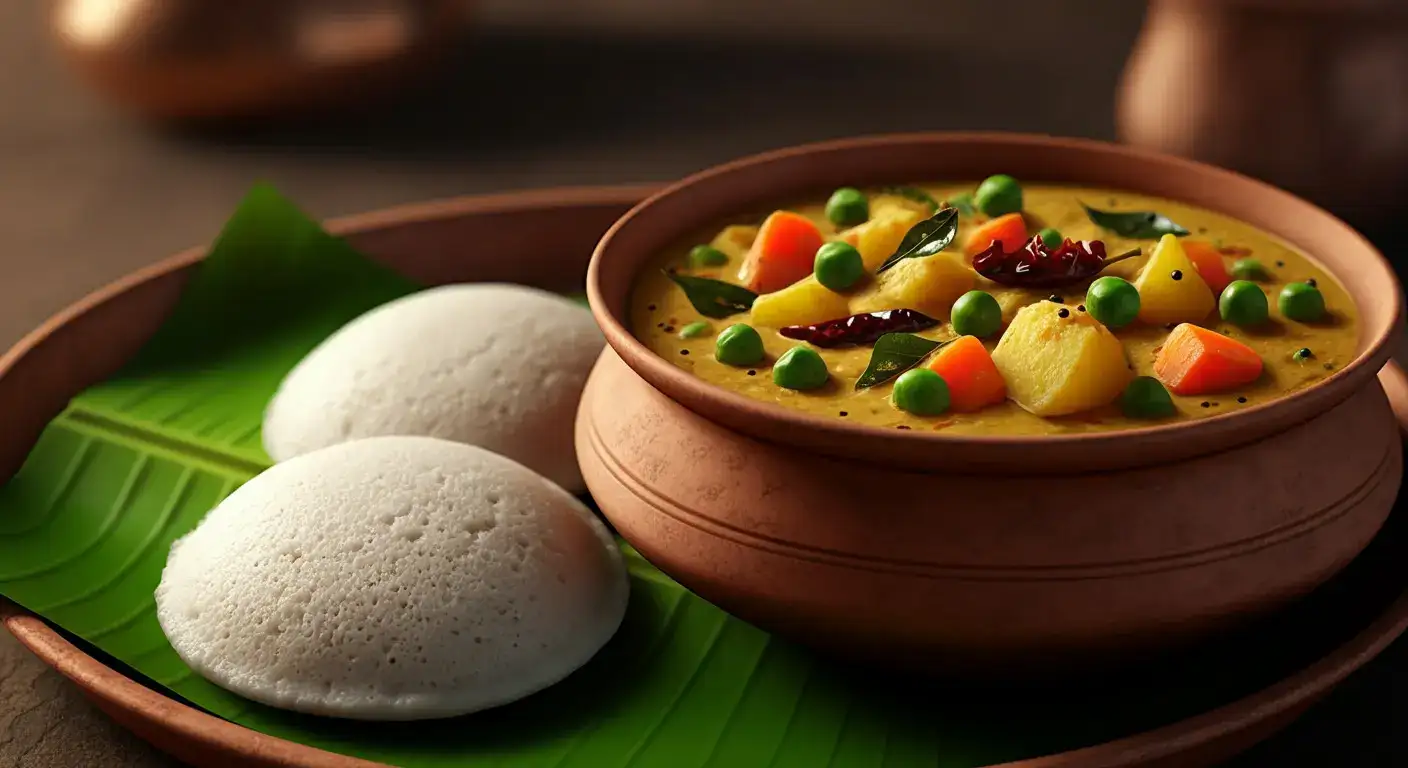
A good South Indian vegetable kurma strikes the perfect balance between creaminess, warmth and aroma. The vegetables remain soft yet hold their shape, while the masala delivers gentle heat without overpowering the dish. Whether served for breakfast, dinner or weekend brunch, this classic curry is a comforting addition to the table and pairs equally well with dosa, appam and chapati.
The curry is usually prepared with mixed vegetables such as carrots, beans, peas, potatoes and cauliflower. These vegetables not only make the dish colourful but also add texture and nutrition. The coconut paste creates a silky consistency that coats soft idlis beautifully.
Another reason this vegetable kurma recipe stands out is its versatility. It can be adjusted according to spice preference and seasonal vegetables available at home.
Vegetables
Carrot
Potato
Beans
Green peas
Cauliflower
For The Masala Paste
Fresh grated coconut
Poppy seeds
Cashews
Fennel seeds
Green chillies
Garlic
Ginger
Other Ingredients
Onion
Tomato
Curry leaves
Turmeric powder
Coriander powder
Garam masala
Oil
Salt
Fresh coriander leaves can be added at the end for garnish and freshness.
Heat oil in a heavy-bottomed pan and add fennel seeds along with curry leaves. Once aromatic, add finely sliced onions and sauté until golden. Add ginger-garlic paste and cook until the raw smell disappears.
Next, add chopped tomatoes and cook until soft and mushy. Stir in turmeric powder, coriander powder and a little garam masala. Cook the masala until oil starts separating slightly.
Meanwhile, grind coconut, poppy seeds, cashews, green chillies and fennel seeds into a smooth paste using a little water. This paste forms the heart of the coconut vegetable kurma and gives the dish its signature creamy texture.
Add the cooked vegetables to the pan and mix gently with the masala. Pour in the ground coconut paste along with enough water to achieve the desired consistency. Let the curry simmer on low heat for several minutes so the vegetables absorb the flavours.
Taste and adjust salt if needed. Finish with chopped coriander leaves before serving hot with soft idlis.
Do not overcook the vegetables, as they may turn mushy and lose texture. The curry should have visible chunks of vegetables coated in creamy gravy.
Adding a few soaked cashews creates extra richness without making the curry heavy. Some home cooks also add a small piece of cinnamon and cloves while tempering for deeper flavour.
Allowing the kurma to rest for a few minutes before serving helps the spices blend beautifully.
Many people enjoy chutney and sambar with idli, but vegetable kurma offers a richer and more festive alternative. It is especially popular during family breakfasts, celebrations and weekend meals.
The smooth texture of the curry complements the fluffy softness of idli, creating a satisfying combination loved by both children and adults.
You can also include mushrooms, capsicum or paneer for variation. For a spicier version, add extra green chillies or black pepper. Those who enjoy subtle sweetness may add a small piece of carrot in larger quantity to balance the spices naturally.
If you want a thinner gravy for dosa, simply increase the water slightly while simmering.
The dish also works well for large family gatherings because it can be prepared in advance and reheated easily. Its balanced flavours appeal to people across age groups, making it a reliable addition to the menu.
Served with steaming hot idlis, this kurma creates a hearty meal that feels both nourishing and indulgent. Whether prepared for a weekday breakfast or a relaxed Sunday brunch, it remains one of the most satisfying South Indian breakfast recipes enjoyed across Indian homes.
A good South Indian vegetable kurma strikes the perfect balance between creaminess, warmth and aroma. The vegetables remain soft yet hold their shape, while the masala delivers gentle heat without overpowering the dish. Whether served for breakfast, dinner or weekend brunch, this classic curry is a comforting addition to the table and pairs equally well with dosa, appam and chapati.
What Makes South Indian Vegetable Kurma Special
Unlike North Indian gravies that rely heavily on cream or butter, South Indian vegetable kurma uses coconut, poppy seeds and whole spices to create richness. The result is a flavourful curry that feels light yet indulgent. Fresh curry leaves, fennel seeds and green chillies give the dish its distinctive aroma.The curry is usually prepared with mixed vegetables such as carrots, beans, peas, potatoes and cauliflower. These vegetables not only make the dish colourful but also add texture and nutrition. The coconut paste creates a silky consistency that coats soft idlis beautifully.
Another reason this vegetable kurma recipe stands out is its versatility. It can be adjusted according to spice preference and seasonal vegetables available at home.
Ingredients Needed For Vegetable Kurma Recipe
To prepare this comforting kurma for idli , you need a mix of fresh vegetables and aromatic ingredients.Vegetables
Carrot
Potato
Beans
Green peas
Cauliflower
For The Masala Paste
Fresh grated coconut
Poppy seeds
Cashews
Fennel seeds
Green chillies
Garlic
Ginger
Other Ingredients
Onion
Tomato
Curry leaves
Turmeric powder
Coriander powder
Garam masala
Oil
Salt
Fresh coriander leaves can be added at the end for garnish and freshness.
How To Make South Indian Vegetable Kurma
Start by washing and chopping all vegetables into medium-sized pieces. Steam or partially cook them until slightly tender.Heat oil in a heavy-bottomed pan and add fennel seeds along with curry leaves. Once aromatic, add finely sliced onions and sauté until golden. Add ginger-garlic paste and cook until the raw smell disappears.
Next, add chopped tomatoes and cook until soft and mushy. Stir in turmeric powder, coriander powder and a little garam masala. Cook the masala until oil starts separating slightly.
Meanwhile, grind coconut, poppy seeds, cashews, green chillies and fennel seeds into a smooth paste using a little water. This paste forms the heart of the coconut vegetable kurma and gives the dish its signature creamy texture.
Add the cooked vegetables to the pan and mix gently with the masala. Pour in the ground coconut paste along with enough water to achieve the desired consistency. Let the curry simmer on low heat for several minutes so the vegetables absorb the flavours.
Taste and adjust salt if needed. Finish with chopped coriander leaves before serving hot with soft idlis.
Tips To Make The Kurma More Flavourful
Using fresh coconut instead of desiccated coconut significantly improves the flavour and texture of the gravy. Roasting the fennel seeds lightly before grinding also enhances the aroma.Do not overcook the vegetables, as they may turn mushy and lose texture. The curry should have visible chunks of vegetables coated in creamy gravy.
Adding a few soaked cashews creates extra richness without making the curry heavy. Some home cooks also add a small piece of cinnamon and cloves while tempering for deeper flavour.
Allowing the kurma to rest for a few minutes before serving helps the spices blend beautifully.
Why Idli And Vegetable Kurma Work So Well Together
Soft idlis absorb the creamy kurma beautifully, making every bite flavourful and comforting. The mild taste of idli balances the rich and aromatic gravy perfectly. This combination also creates a wholesome meal containing vegetables, lentils and coconut.Many people enjoy chutney and sambar with idli, but vegetable kurma offers a richer and more festive alternative. It is especially popular during family breakfasts, celebrations and weekend meals.
The smooth texture of the curry complements the fluffy softness of idli, creating a satisfying combination loved by both children and adults.
Variations You Can Try At Home
This easy kurma recipe can be customised in several ways. Some people prefer adding coconut milk for extra creaminess, while others use roasted gram for thickness.You can also include mushrooms, capsicum or paneer for variation. For a spicier version, add extra green chillies or black pepper. Those who enjoy subtle sweetness may add a small piece of carrot in larger quantity to balance the spices naturally.
If you want a thinner gravy for dosa, simply increase the water slightly while simmering.
A Comforting Dish For Every Occasion
South Indian vegetable kurma is more than just a side dish for idli. It represents comfort, warmth and traditional home cooking. The rich coconut gravy, aromatic spices and colourful vegetables make it suitable for everyday meals as well as special occasions.The dish also works well for large family gatherings because it can be prepared in advance and reheated easily. Its balanced flavours appeal to people across age groups, making it a reliable addition to the menu.
Served with steaming hot idlis, this kurma creates a hearty meal that feels both nourishing and indulgent. Whether prepared for a weekday breakfast or a relaxed Sunday brunch, it remains one of the most satisfying South Indian breakfast recipes enjoyed across Indian homes.
Next Story