
How To Make Rich Coconut Milk Vegetable Stew For Healthy Home Cooking

Coconut milk based vegetable stew is a comforting, mildly spiced dish celebrated for its creamy texture and delicate flavours. Popular across South India and coastal regions, this stew combines fresh vegetables with aromatic spices simmered in rich coconut milk. The result is a wholesome preparation that is both nourishing and soothing, making it ideal for breakfast, lunch, or dinner. Served traditionally with appam, idiyappam, or steamed rice, this dish reflects the essence of balanced home cooking where nutrition, taste, and simplicity come together effortlessly.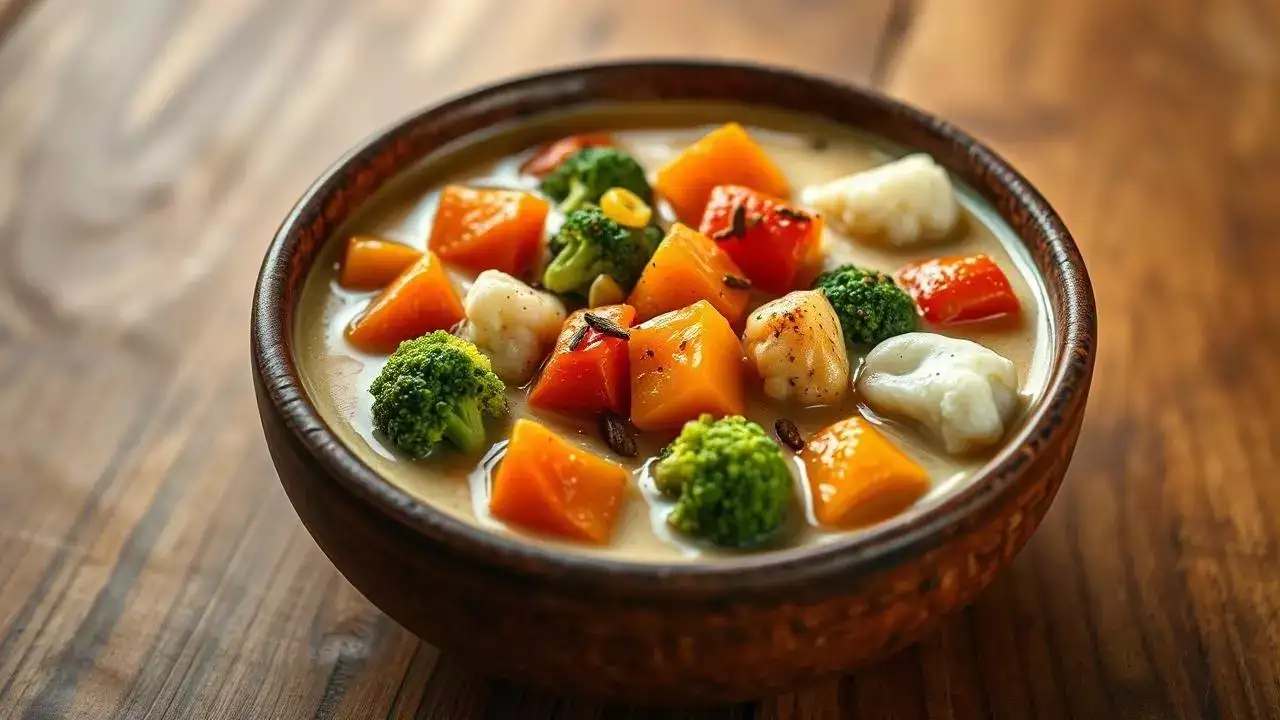
The vegetables used in the stew such as carrots, beans, potatoes, peas, and cauliflower contribute fibre, vitamins, and antioxidants. This combination makes coconut milk vegetable stew a nutrient-dense preparation that supports digestion, immunity, and sustained energy. The dish is especially suitable for vegetarian diets seeking both nourishment and flavour.
Whole spices such as cinnamon, cloves, green cardamom, bay leaf, and black peppercorns form the aromatic base. Ginger, green chillies, curry leaves, and onions enhance depth of flavour. A small quantity of coconut oil is typically used, lending the stew its signature aroma and richness.
Add the chopped vegetables and lightly sauté them with salt. Pour in thin coconut milk and allow the vegetables to simmer until tender. This slow cooking helps absorb the spice flavours without overpowering the vegetables.
Once cooked, thick coconut milk is added and gently heated without boiling, preserving its creamy consistency. A final garnish of fresh curry leaves or coriander enhances aroma. The result is a smooth, mildly spiced vegetable stew Indian style that is both comforting and elegant.
Balancing spice levels is essential. This stew is known for its mildness rather than heat. Whole spices should infuse aroma without dominating the dish. A dash of freshly ground black pepper can add subtle warmth without altering the stew’s character.
Adding cashew paste is another variation that enriches creaminess while maintaining the dish’s gentle flavour profile.
It also complements steamed rice, neer dosa, or even lightly toasted bread for fusion meals. For festive spreads, it can be served alongside vegetable cutlets, chutneys, and lentil dishes, forming a wholesome vegetarian feast.
Its mild spice level makes it suitable for children and those preferring low-heat meals, further enhancing its appeal as an easy vegetable stew recipe for families.
Some coastal recipes incorporate shallots instead of onions, while others add fresh herbs for fragrance. Despite these differences, the core identity of the stew remains unchanged creamy coconut base, soft vegetables, and gentle spices defining healthy coconut milk dishes across cuisines.
Coconut milk based vegetable stew stands as a testament to the elegance of simple cooking. Its creamy texture, nourishing vegetables, and aromatic spices create a dish that is both comforting and nutritionally balanced. Easy to prepare and adaptable to seasonal produce, it fits seamlessly into everyday meals as well as festive menus. By combining wholesome ingredients with mindful cooking techniques, this stew delivers flavour, warmth, and wellness in every serving, making it a timeless favourite in vegetarian cuisine.
Nutritional Benefits Of Coconut Milk And Vegetables
Coconut milk is known for its healthy fats, particularly medium-chain triglycerides, which provide quick energy and support metabolism. It also contains essential minerals such as manganese, iron, and potassium. While creamy in texture, coconut milk can be part of a balanced diet when used in moderation.The vegetables used in the stew such as carrots, beans, potatoes, peas, and cauliflower contribute fibre, vitamins, and antioxidants. This combination makes coconut milk vegetable stew a nutrient-dense preparation that supports digestion, immunity, and sustained energy. The dish is especially suitable for vegetarian diets seeking both nourishment and flavour.
Ingredients Required For Coconut Milk Vegetable Stew
The charm of this coconut milk curry recipe lies in its simplicity. Commonly used vegetables include carrots, potatoes, green beans, peas, and sometimes bell peppers or mushrooms. Fresh coconut milk is preferred for authentic taste, though packaged coconut milk works well for convenience.Whole spices such as cinnamon, cloves, green cardamom, bay leaf, and black peppercorns form the aromatic base. Ginger, green chillies, curry leaves, and onions enhance depth of flavour. A small quantity of coconut oil is typically used, lending the stew its signature aroma and richness.
Step By Step Cooking Method
Preparation begins with chopping vegetables into uniform pieces to ensure even cooking. Heat coconut oil in a pan and add whole spices. Once fragrant, sauté sliced onions, ginger, green chillies, and curry leaves until soft.Add the chopped vegetables and lightly sauté them with salt. Pour in thin coconut milk and allow the vegetables to simmer until tender. This slow cooking helps absorb the spice flavours without overpowering the vegetables.
Once cooked, thick coconut milk is added and gently heated without boiling, preserving its creamy consistency. A final garnish of fresh curry leaves or coriander enhances aroma. The result is a smooth, mildly spiced vegetable stew Indian style that is both comforting and elegant.
Tips To Achieve Perfect Creaminess
For the best texture, always add thick coconut milk towards the end of cooking. Boiling it vigorously may cause separation. Using freshly extracted coconut milk enhances flavour and authenticity.You may also like
- Mirabai Chanu, a tea seller's daughter, who carried firewood on her head through forest trails, has today won first gold for India at the Commonwealth Games: The inspiring story of a girl whose first barbell was a bamboo stick
- Friendship Day Weekend Escapes: 5 Monsoon Getaways Near Mumbai to Make Memories With Your Gang
- Can cruise tourism be India's next big growth driver?
- The new luxury home is not about more: It's about living better
- Quote of the day by Vincent van Gogh: “Art is to console those who are broken by life.”
Balancing spice levels is essential. This stew is known for its mildness rather than heat. Whole spices should infuse aroma without dominating the dish. A dash of freshly ground black pepper can add subtle warmth without altering the stew’s character.
Adding cashew paste is another variation that enriches creaminess while maintaining the dish’s gentle flavour profile.
Serving Suggestions And Pairings
Coconut milk based vegetable stew pairs exceptionally well with traditional South Indian breads such as appam and idiyappam. The soft, lacy texture of appam absorbs the creamy gravy beautifully, creating a balanced bite.It also complements steamed rice, neer dosa, or even lightly toasted bread for fusion meals. For festive spreads, it can be served alongside vegetable cutlets, chutneys, and lentil dishes, forming a wholesome vegetarian feast.
Its mild spice level makes it suitable for children and those preferring low-heat meals, further enhancing its appeal as an easy vegetable stew recipe for families.
Regional Variations And Culinary Influence
Different regions adapt coconut milk vegetable stew to local tastes. Kerala’s version is the most well-known, often enriched with coconut oil and curry leaves. Tamil and Sri Lankan variations may include fennel or additional pepper for warmth.Some coastal recipes incorporate shallots instead of onions, while others add fresh herbs for fragrance. Despite these differences, the core identity of the stew remains unchanged creamy coconut base, soft vegetables, and gentle spices defining healthy coconut milk dishes across cuisines.
Coconut milk based vegetable stew stands as a testament to the elegance of simple cooking. Its creamy texture, nourishing vegetables, and aromatic spices create a dish that is both comforting and nutritionally balanced. Easy to prepare and adaptable to seasonal produce, it fits seamlessly into everyday meals as well as festive menus. By combining wholesome ingredients with mindful cooking techniques, this stew delivers flavour, warmth, and wellness in every serving, making it a timeless favourite in vegetarian cuisine.






Loving Newspoint? Download the app now
