
How To Master Meal Prepping Indian Dishes Without Losing Freshness, Flavour Or Homemade Goodness

Busy schedules often leave little time for cooking every day, making meal prepping an increasingly popular habit. For those who enjoy Indian cuisine, preparing meals in advance can simplify the week while helping reduce food waste and unnecessary spending. However, many people worry that cooked dishes may lose their aroma, texture or flavour after a day or two in the refrigerator.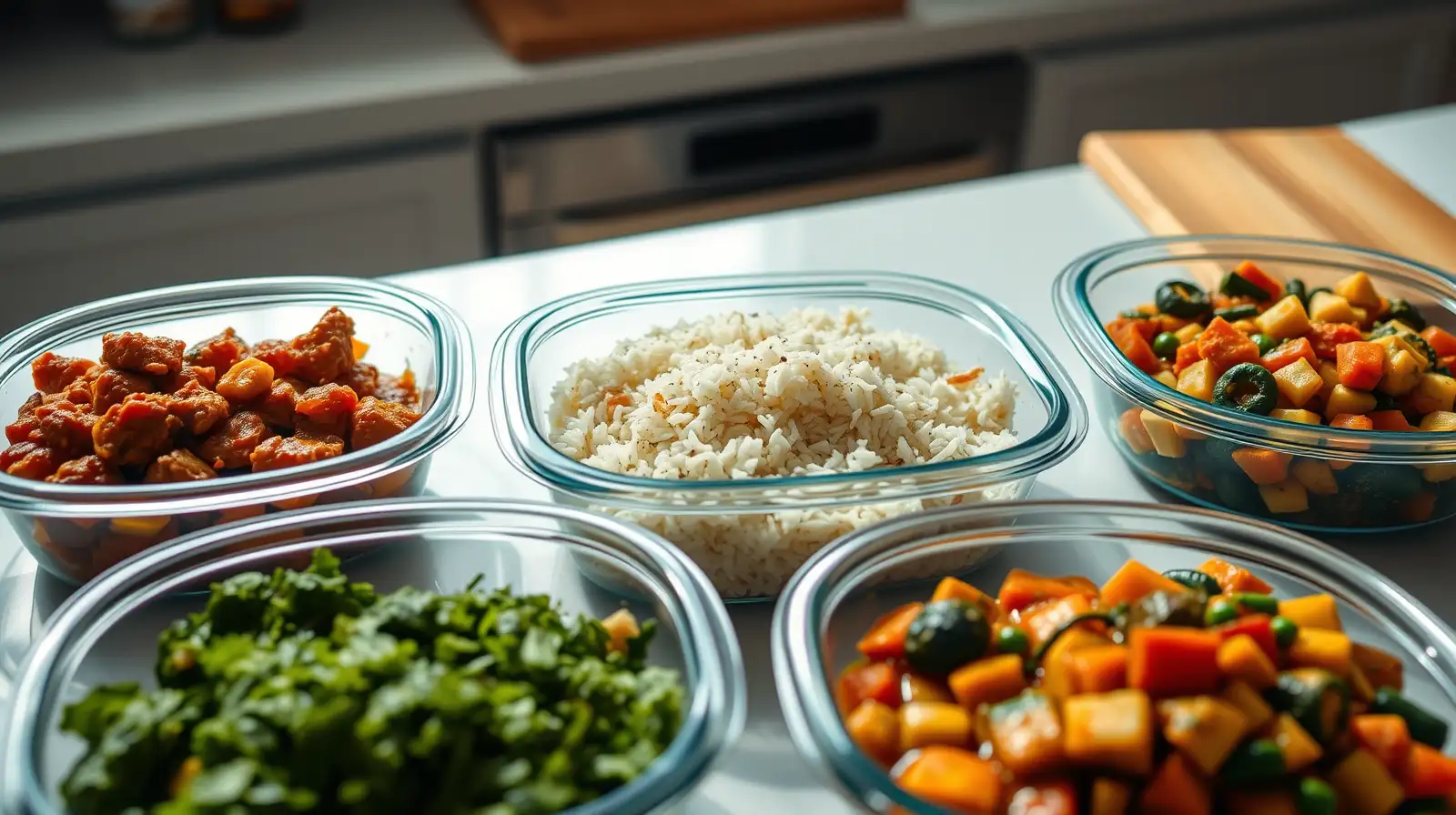
The good news is that with thoughtful planning and proper storage techniques, Indian meals can remain fresh and delicious for several days. From selecting the right recipes to storing ingredients correctly, a few simple habits can make all the difference.
Delicate foods that contain fresh herbs, crispy toppings or fried ingredients are often better prepared closer to serving time to preserve their texture.
Once cooled, refrigerate meals promptly and divide them into single-serving portions. This reduces repeated reheating and helps maintain quality throughout the week.
Avoid adding too much salt or fresh coriander during cooking if meals are intended for later use. Instead, adjust seasoning and garnish after reheating to restore freshness and brighten the final dish.
Rice can also be refreshed with a few drops of water before heating, helping it regain a soft texture without becoming dry.
This approach keeps meals interesting while reducing daily cooking time. Rotating recipes also helps ensure a varied intake of nutrients, making healthy meal planning easier to maintain over the long term.
Meal prepping Indian dishes does not mean sacrificing freshness or flavour. With careful planning, proper storage and mindful reheating, it is possible to enjoy wholesome, home-cooked meals that taste satisfying throughout the week while making everyday cooking far more convenient.
The good news is that with thoughtful planning and proper storage techniques, Indian meals can remain fresh and delicious for several days. From selecting the right recipes to storing ingredients correctly, a few simple habits can make all the difference.
Choose Dishes That Store Well
Not every Indian dish is equally suited to meal prep. Dry vegetable preparations, dals, rajma, chole and lightly spiced curries generally retain their flavour well after refrigeration. Rice dishes such as jeera rice or vegetable pulao also reheat successfully when stored properly.Delicate foods that contain fresh herbs, crispy toppings or fried ingredients are often better prepared closer to serving time to preserve their texture.
Cool Food Before Storing
One of the most important food storage tips is allowing cooked food to cool naturally before placing it in airtight containers. Storing hot food immediately can create excess moisture inside the container, affecting both freshness and texture.You may also like
- Summer shades, but only bigger
- IndiGo introduces cabin baggage-only fares for passengers
- Where snakes are worshipped: 10 sacred and mysterious snake temples of India every traveller should visit
- Luxury scalp serums are having their moment: Here's why beauty experts swear by them
- Korean proverb of the day: "If you eat a pheasant, you also…" - a timeless lesson on making the most of every opportunity
Once cooled, refrigerate meals promptly and divide them into single-serving portions. This reduces repeated reheating and helps maintain quality throughout the week.
Use Fresh Ingredients And Balanced Seasoning
Fresh ingredients always produce better meal prep results. Vegetables, herbs and spices that are at their best will continue to deliver good flavour even after storage.Avoid adding too much salt or fresh coriander during cooking if meals are intended for later use. Instead, adjust seasoning and garnish after reheating to restore freshness and brighten the final dish.
Reheat Meals Carefully
Reheating plays a major role in preserving taste. Warm only the portion you plan to eat instead of reheating the entire batch repeatedly. Add a small splash of water to curries or dals if they have thickened during refrigeration.Rice can also be refreshed with a few drops of water before heating, helping it regain a soft texture without becoming dry.
Plan Ahead For Better Variety
Successful Indian meal prep is about creating balance rather than cooking the same meal every day. Prepare different bases such as dal, cooked rice, chapati dough or boiled chickpeas, then combine them with freshly cooked vegetables or salads during the week.This approach keeps meals interesting while reducing daily cooking time. Rotating recipes also helps ensure a varied intake of nutrients, making healthy meal planning easier to maintain over the long term.
Meal prepping Indian dishes does not mean sacrificing freshness or flavour. With careful planning, proper storage and mindful reheating, it is possible to enjoy wholesome, home-cooked meals that taste satisfying throughout the week while making everyday cooking far more convenient.






More from our partners


Loving Newspoint? Download the app now
