
How To Meal Prep Indian Dishes For The Week Without Compromising Taste Or Freshness

Smart Meal Prepping Tips To Keep Indian Food Fresh Flavourful And Ready To Eat
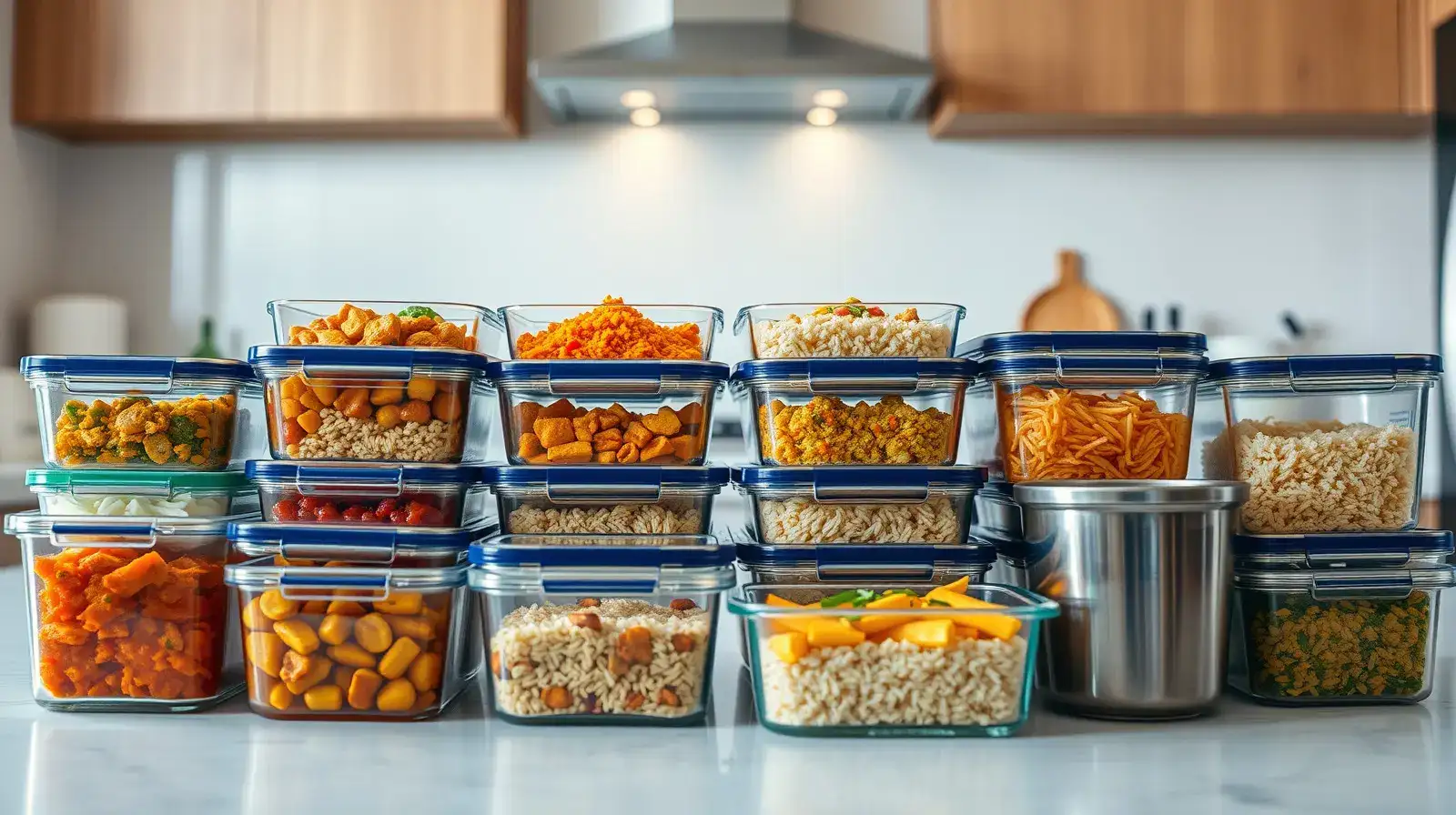
The Ultimate Guide To Preparing Indian Meals In Advance While Preserving Freshness
Meal Prepping Indian Cuisine Made Easy With Techniques That Maintain Authentic Flavours
SEO Keywords: meal prepping Indian dishes , Indian meal prep , healthy meal planning , food storage tips , Indian recipes , meal prep ideas
Meta Description
Learn how to meal prep Indian dishes without losing freshness using smart storage, cooking and reheating techniques for flavourful meals.
Meal prepping has become a popular solution for busy professionals, students and families looking to save time during hectic weekdays. Preparing meals in advance can reduce daily cooking stress, encourage healthier eating habits and help manage household budgets more effectively. However, when it comes to Indian cuisine, many people hesitate to meal prep because they fear dishes may lose their freshness, aroma and authentic taste after storage.
Indian food is known for its rich spices, diverse textures and freshly prepared ingredients. Fortunately, with thoughtful planning and proper storage techniques, it is possible to prepare meals ahead of time without sacrificing quality. By understanding which dishes store well and how to preserve flavours, meal prepping Indian dishes can become both convenient and rewarding.
Choose The Right Dishes For Meal Preparation
Not every dish responds equally well to storage and reheating. Some Indian recipes maintain their flavour and texture exceptionally well, making them ideal choices for meal prep.Lentil-based dishes such as dal, chickpea curries, rajma and vegetable curries often develop deeper flavours after resting for a day. Dry vegetable preparations, pulao and certain paneer dishes can also be prepared ahead without significant loss of quality.
On the other hand, deep-fried snacks and foods with delicate textures are often best prepared fresh. Selecting recipes that naturally store well is the first step towards successful Indian meal prep.
Cook Ingredients Separately When Possible
One useful strategy for healthy meal planning is preparing components separately rather than combining everything into a single dish immediately.For example, cooked rice, chopped vegetables, prepared gravies and proteins can be stored independently and assembled later. This approach helps preserve texture and prevents ingredients from becoming soggy during storage.
Keeping components separate also provides flexibility, allowing different meals to be created throughout the week using the same base ingredients.
Cool Food Properly Before Storage
Proper cooling is essential for maintaining freshness and food safety. Hot food should not be placed directly into sealed containers because trapped steam can create excess moisture.Allow dishes to cool slightly before transferring them into storage containers. However, food should not be left at room temperature for extended periods.
Using airtight containers can help protect flavours while reducing exposure to air and moisture, both of which can affect food quality.
Invest In Quality Storage Containers
The right storage containers can make a significant difference in preserving Indian dishes.Glass containers are often preferred because they do not absorb food odours and are easy to clean. Containers with secure lids help maintain freshness while preventing leaks and contamination.
Organising meals into portion-sized containers also makes reheating more convenient and reduces the need to repeatedly open larger containers.
Preserve Fresh Herbs And Garnishes Separately
Fresh coriander, mint leaves and other garnishes are often added at the final stage of cooking to enhance flavour and appearance.Rather than storing these ingredients mixed into prepared dishes, consider keeping them separately and adding them just before serving. This simple step can significantly improve the freshness and visual appeal of reheated meals.
Lemon wedges, sliced onions and fresh chutneys can also be stored separately to maintain their quality.
Understand Which Foods Freeze Well
Freezing can extend the life of many Indian recipes while preserving flavour when done correctly.Curries, gravies, cooked beans and lentils often freeze successfully. Portioning meals before freezing allows only the required quantity to be thawed when needed.
Labelling containers with preparation dates can help maintain organisation and ensure food is consumed within a reasonable timeframe.
Not every ingredient freezes equally well. Fresh salads and some dairy-heavy preparations may experience texture changes after thawing.
Reheat Carefully To Retain Flavour
Reheating plays a crucial role in preserving the quality of meal-prepped food.Heating dishes gently helps maintain moisture and prevents overcooking. Adding a small amount of water while reheating curries or lentils can restore their original consistency.
Rice should be reheated thoroughly and consumed promptly. Paying attention to reheating methods ensures meals remain enjoyable rather than becoming dry or overcooked.
Plan Meals Around Fresh Ingredients
Even when engaging in meal prep ideas, incorporating some freshly prepared ingredients can make meals feel more vibrant.For example, freshly sliced vegetables, yoghurt-based accompaniments and simple salads can be prepared shortly before serving. These additions provide contrast and help create the experience of a freshly cooked meal.
Balancing prepared dishes with fresh elements allows convenience without sacrificing quality.
Use Spices Strategically
Spices are central to Indian cooking and can influence how well dishes age during storage.Many curries and gravies benefit from resting because spices have more time to blend and develop depth. However, certain aromatic ingredients may lose some intensity over time.
Adding a small amount of freshly roasted spices or a tempering of mustard seeds, cumin or curry leaves during reheating can revive flavours and create a freshly cooked aroma.
Create A Sustainable Meal Prep Routine
Meal prepping should simplify life rather than become another source of stress. Starting with a few dishes and gradually refining a routine can make the process more manageable.Preparing ingredients in batches, planning weekly menus and organising shopping lists can improve efficiency while reducing food waste. Consistency is often more important than preparing large quantities at once.
A sustainable routine allows individuals and families to enjoy the benefits of meal prep without feeling overwhelmed.
Meal prepping Indian dishes does not mean compromising on taste, aroma or freshness. With thoughtful recipe selection, proper storage practices and careful reheating techniques, it is possible to enjoy delicious Indian meals throughout the week. By combining convenience with smart planning, home cooks can save valuable time while continuing to enjoy the rich flavours and comforting experience that Indian cuisine is known for.
Next Story